SaaS Website Templates
Templates for software products — built around the pages that turn a visitor into a trial, a demo or a signup.






The pages a SaaS site actually needs
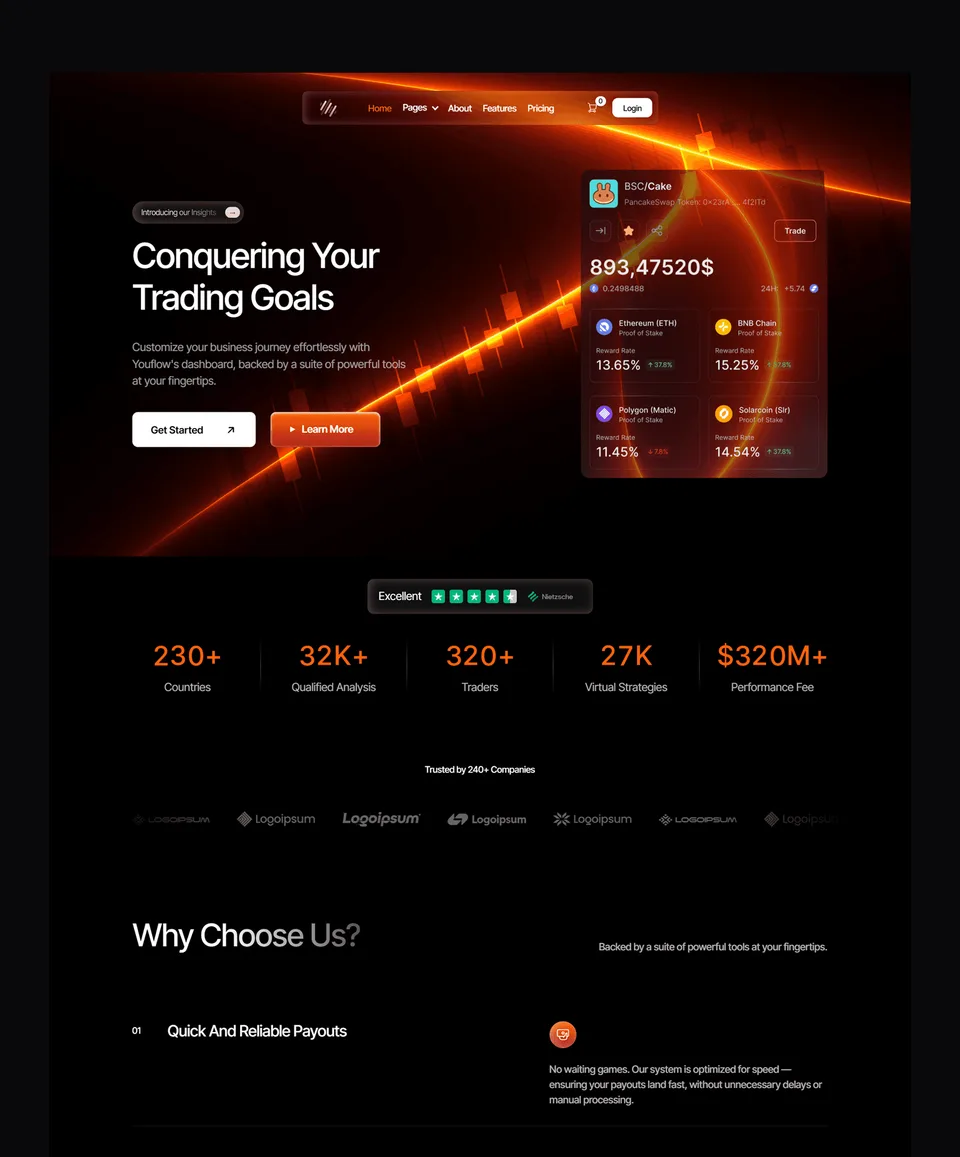
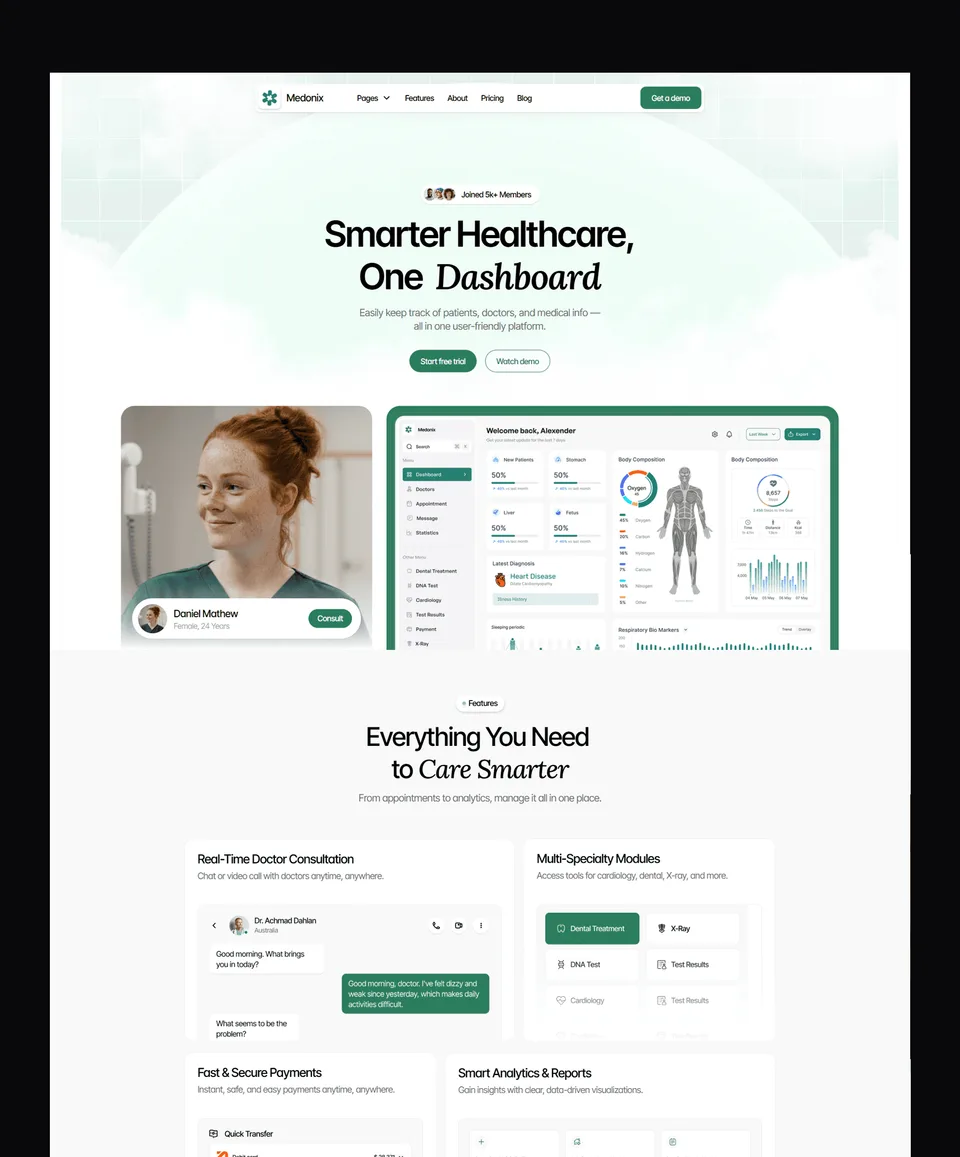
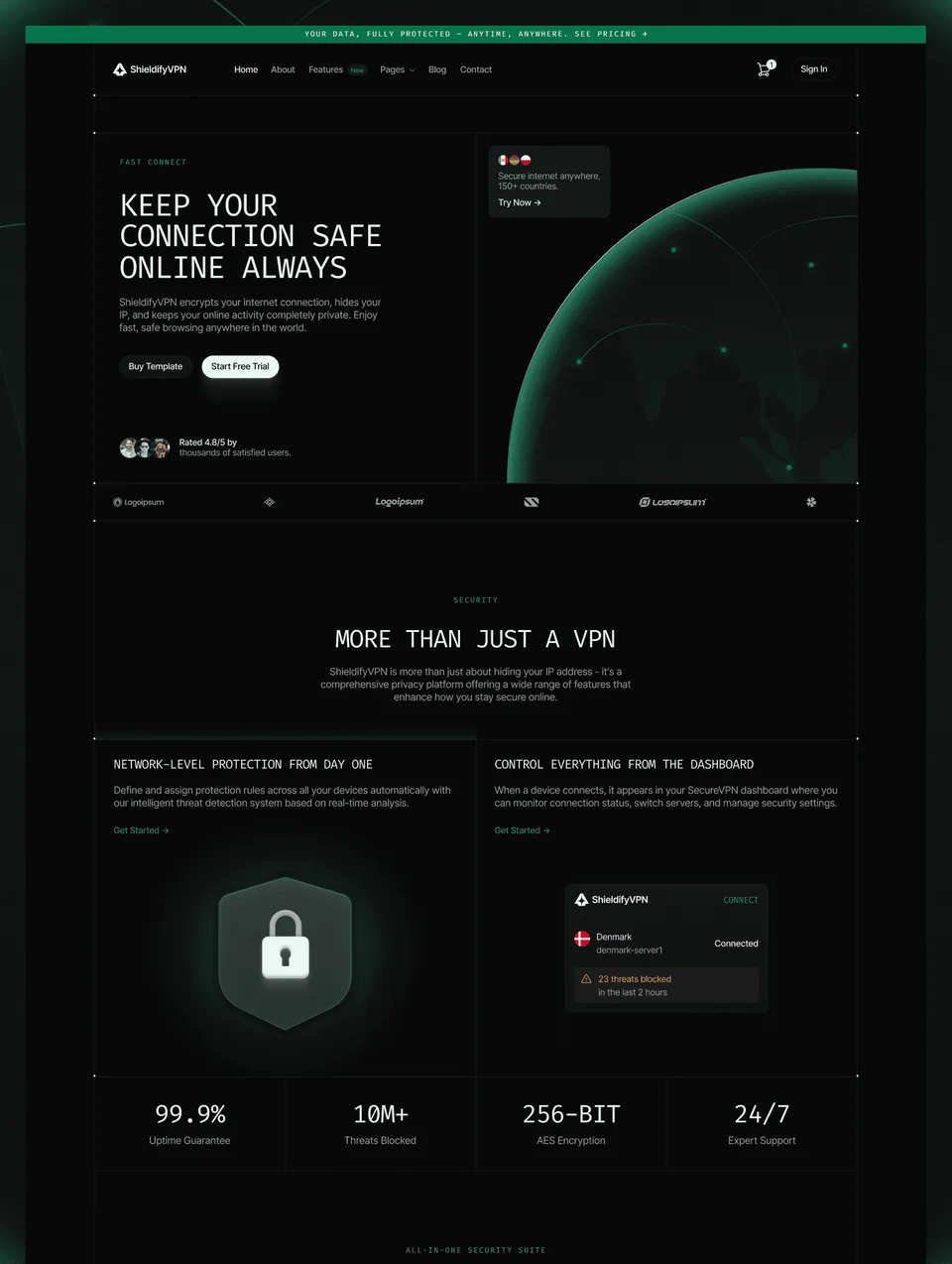
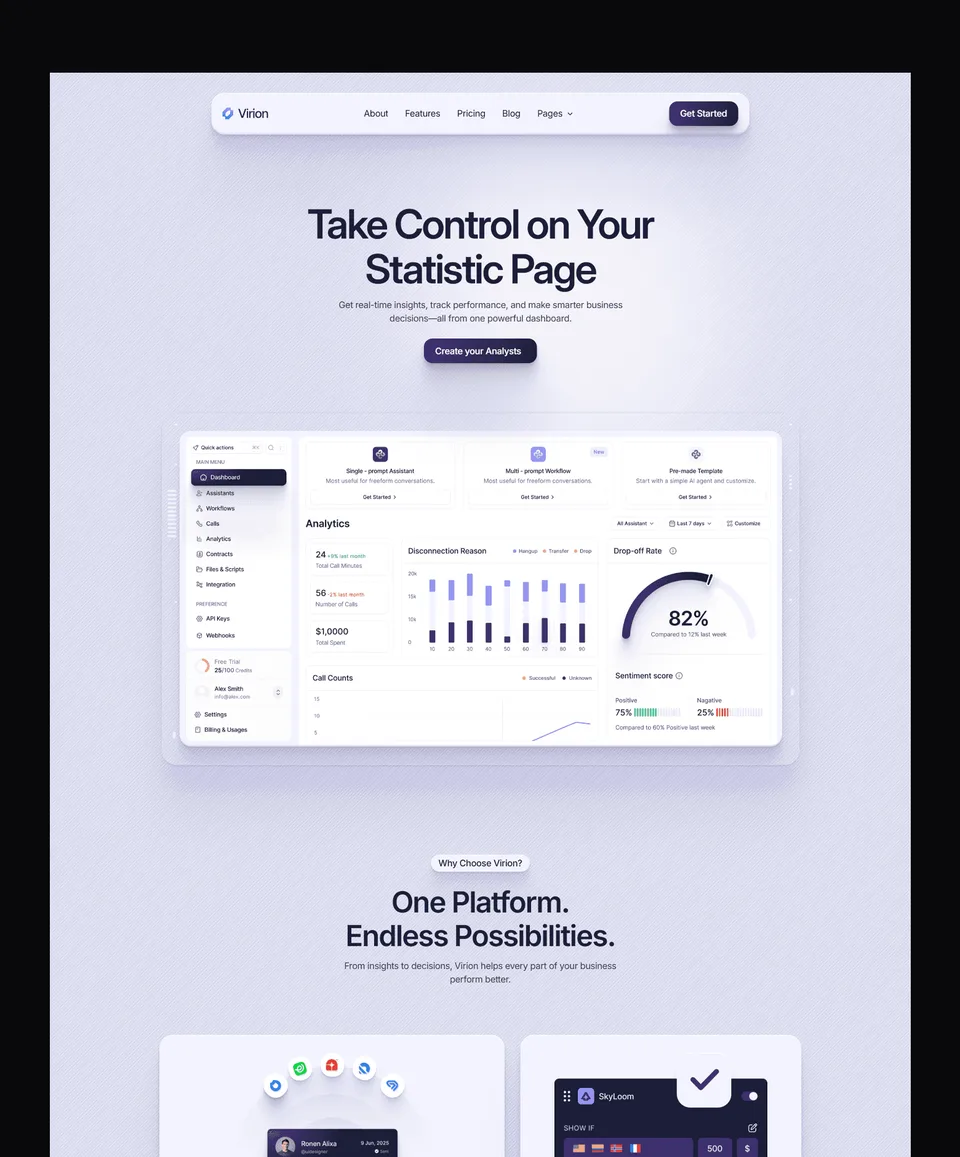
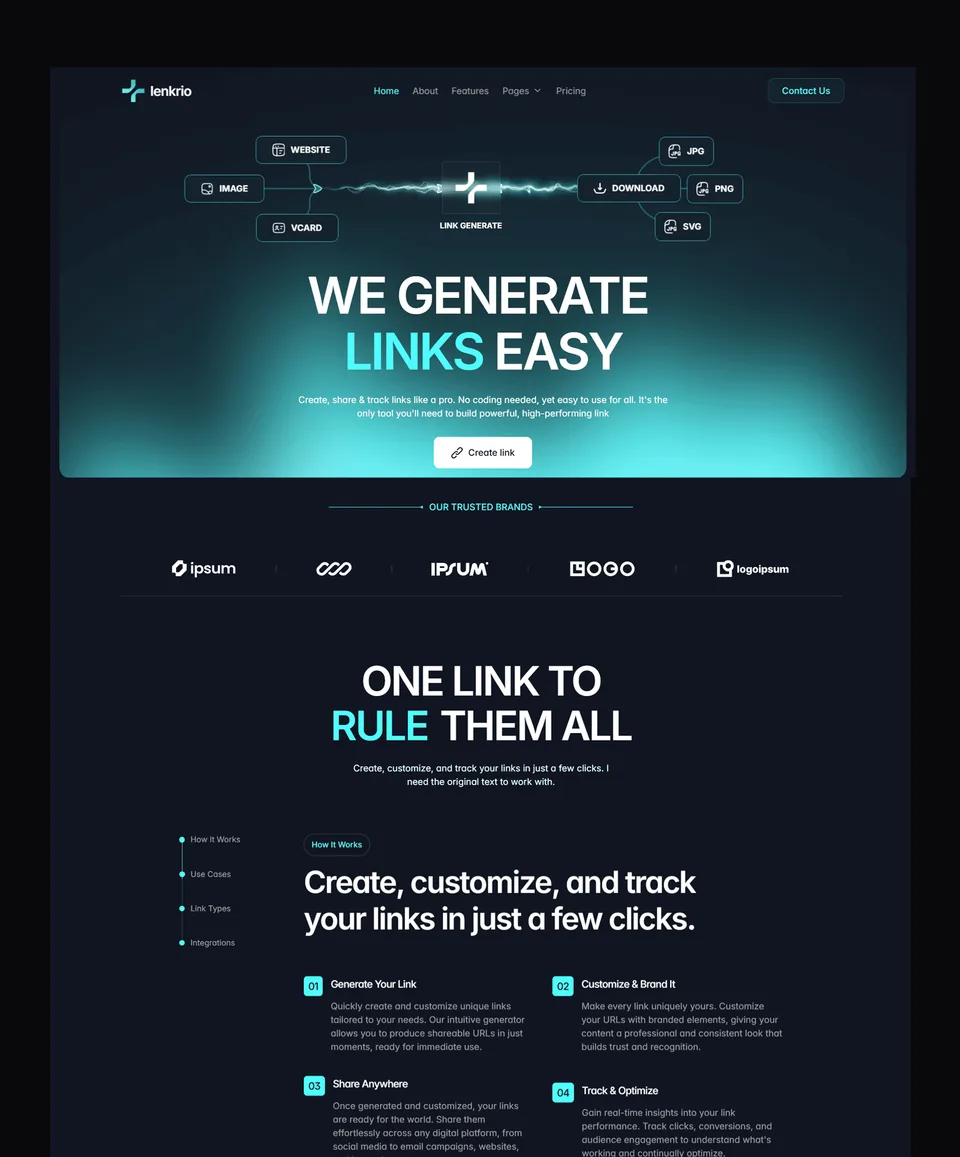
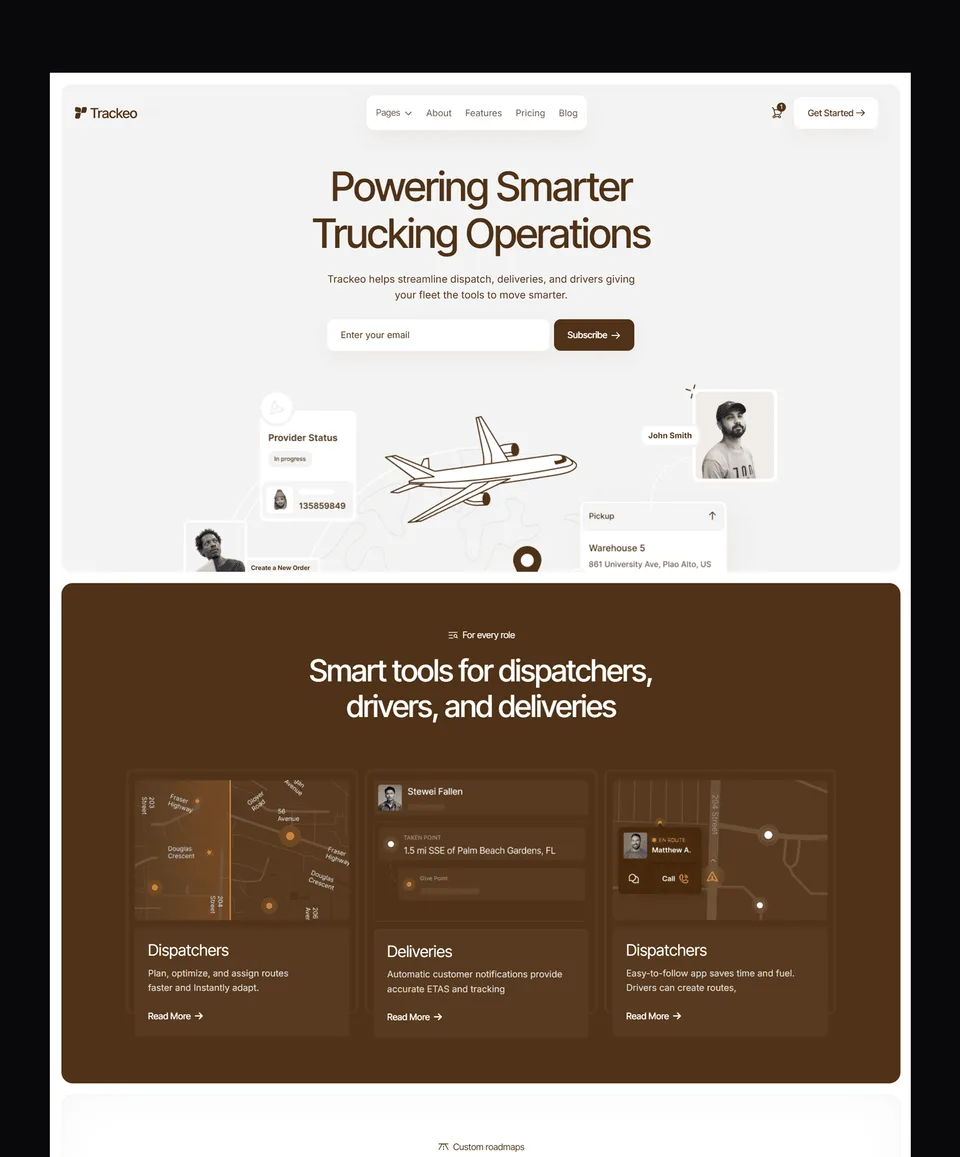
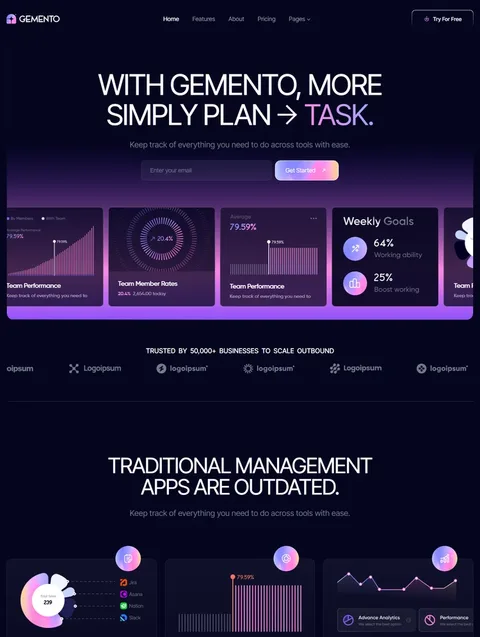
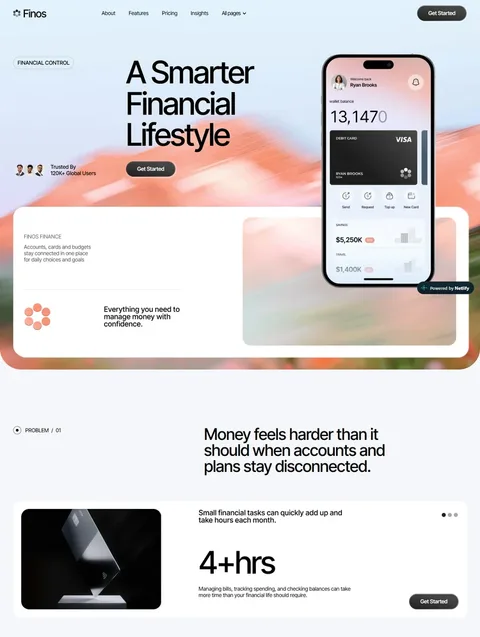
A SaaS marketing site lives or dies on four pages: a home page that states the problem before the product, a features set that explains outcomes rather than functionality, a pricing page that survives contact with a real plan change, and a signup path with no dead ends. The seven SaaS templates here are structured around exactly those, with the changelog and blog that keep a product site alive between launches.
Pricing is where most templates fall apart. These handle the awkward realities: three tiers and four, monthly and annual toggles, a plan marked as recommended, feature comparison that stays readable on a phone, and enterprise rows that say “talk to us” instead of a number.
Connecting it to your product
The templates ship with placeholder signup forms and CTAs. You point them at whatever you already use — an auth provider, a waitlist, a scheduling tool, a checkout. Nothing assumes a particular stack, and the code versions in Next.js make it straightforward to put the marketing site and the application behind one deployment if that is where you are heading.
Choosing a platform for a product site
Marketing teams that want to ship a landing page without a deploy usually want Framer or Webflow. Teams whose site will grow into the product itself usually want Next.js. Both are defensible; the mistake is picking the one that suits the person building it today rather than the person maintaining it next year.
Most templates here come for Framer, Webflow, HTML, Next.js and Astro. The exceptions: Gemento is a code template for HTML, Next.js and Astro, and Lenkrio has no Webflow version. For the rest, the choice of design does not force the choice of platform. Buy the one you need, or take a platform bundle or a plan.
Frequently Asked Questions
What's the difference between a SaaS template and a business template?
SaaS templates are designed for product conversion — turning visitors into signups, trials, or demos. The structure leans heavily on feature pages, pricing, and CTAs. Business templates are designed for credibility — service companies and professional firms where the website's main job is to make the company feel real. Choose based on whether your website's primary job is convert me to a product user (SaaS) or verify the company is legitimate (business).
Can SaaS templates connect to my actual product or signup flow?
The templates ship with placeholder signup forms and CTAs that you connect to your auth system, sales tool, or signup flow. Standard integrations like HubSpot, Stripe, ConvertKit, and Mailchimp connect through Webflow or Framer's native integrations, or directly in the code of the HTML, Next.js and Astro versions. Custom auth flows connect via custom code embeds.
Do SaaS templates work for AI products?
Yes. Several of our SaaS templates are specifically designed for AI startups, machine learning platforms, and AI-driven products. They emphasize demo-led conversion, feature explanations that translate technical capability into outcomes, and modern aesthetics that match how AI buyers expect AI brands to feel.
Do these templates include pricing pages with comparison tables?
Yes. Every SaaS template includes a dedicated pricing page with tiered plan comparison, feature breakdowns, and pricing FAQ. Updating tiers is straightforward — change copy and pricing values inside Webflow or Framer's visual editor.
Are SaaS templates SEO-friendly?
Yes. Every SaaS template is built with semantic structure, fast performance, mobile-first responsiveness, and per-page SEO settings (titles, descriptions, OG images). The foundations of strong SEO are built in — you add your content and connect Search Console.