Every Next.js template, one payment.
All 41 Next.js templates, lifetime access, future releases included. Or start a plan and unlock templates with credits.
Next.js Templates: 41 Launch-Ready Sites, 2 Free
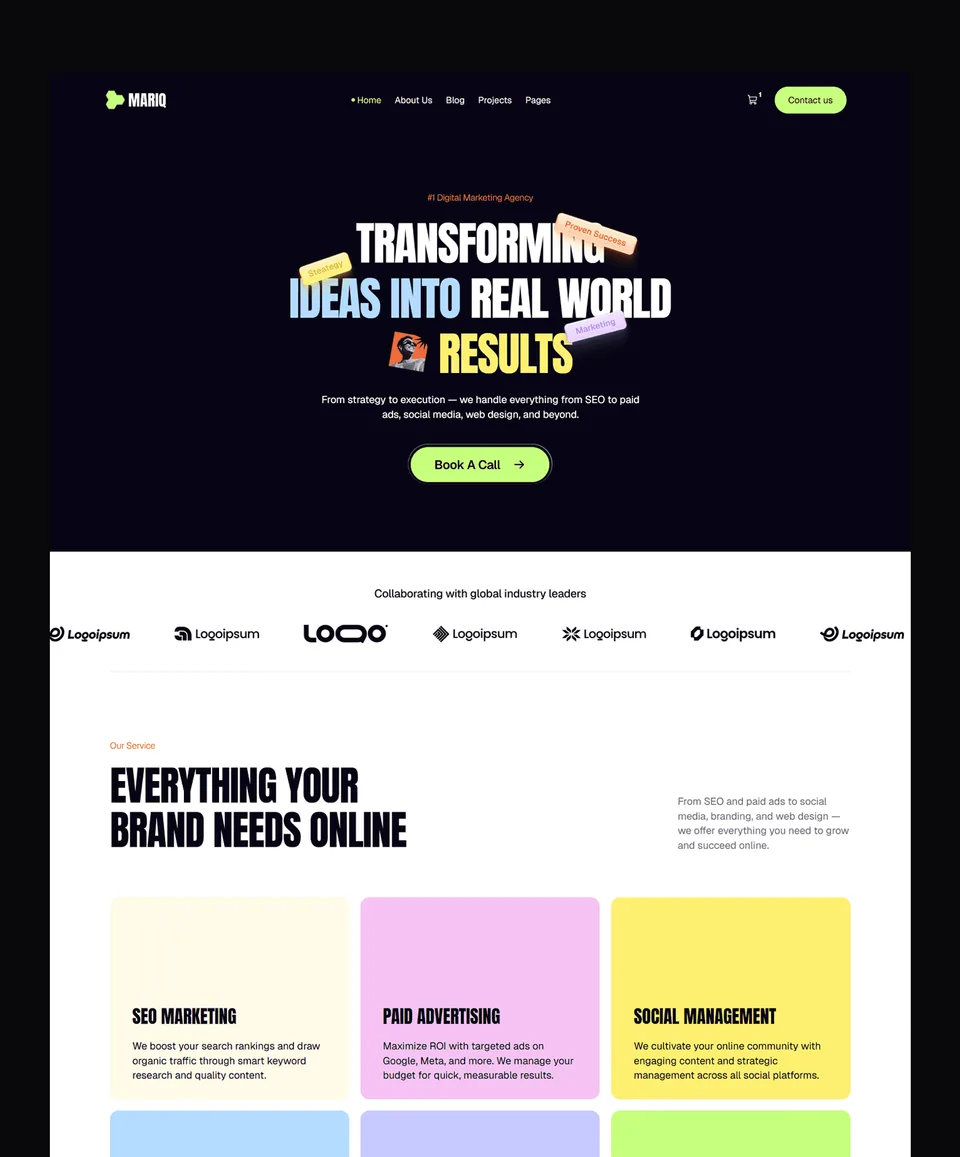
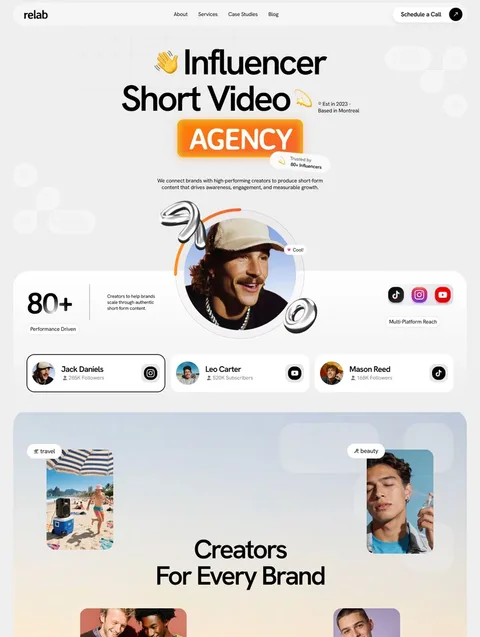
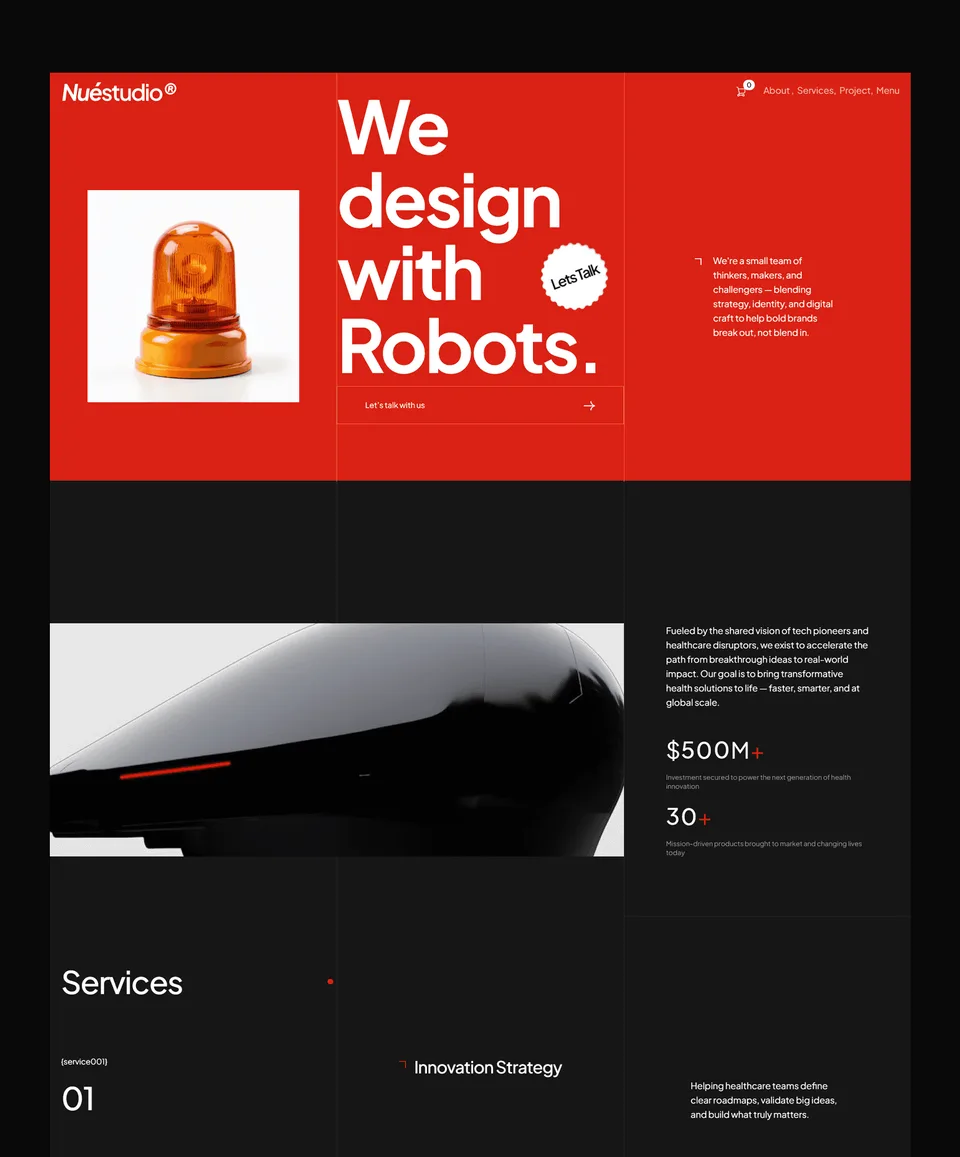
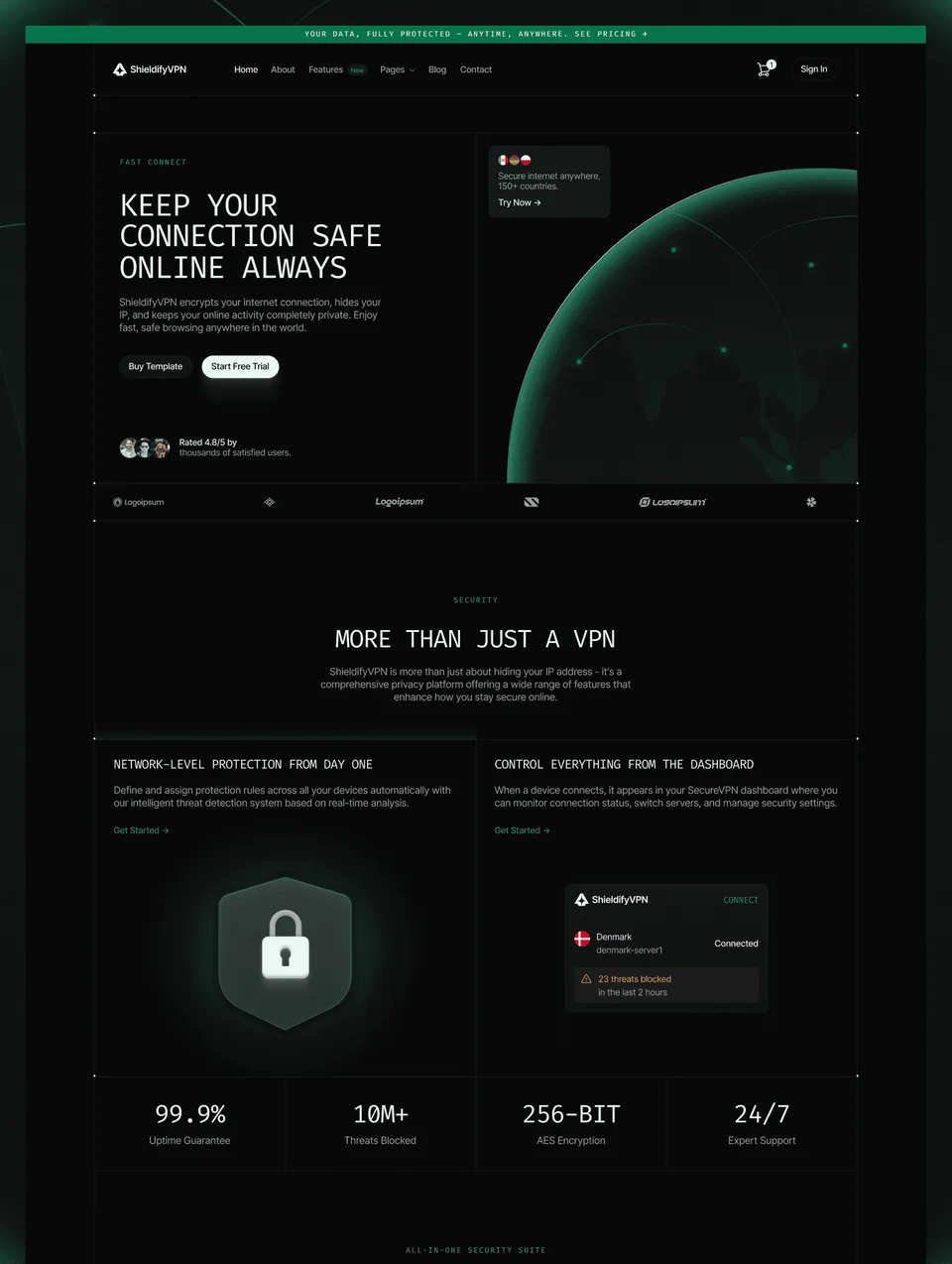
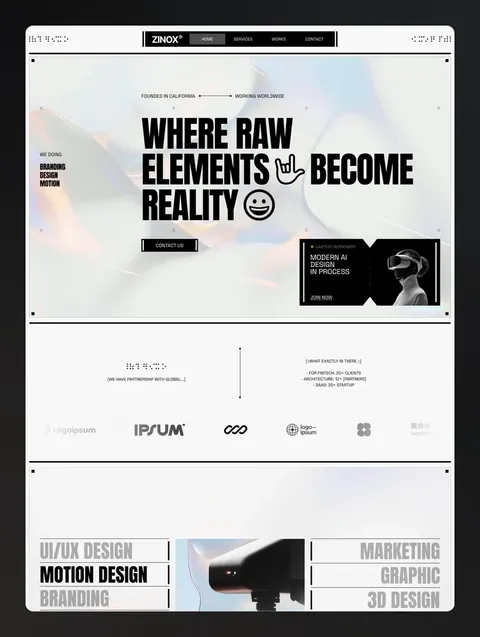
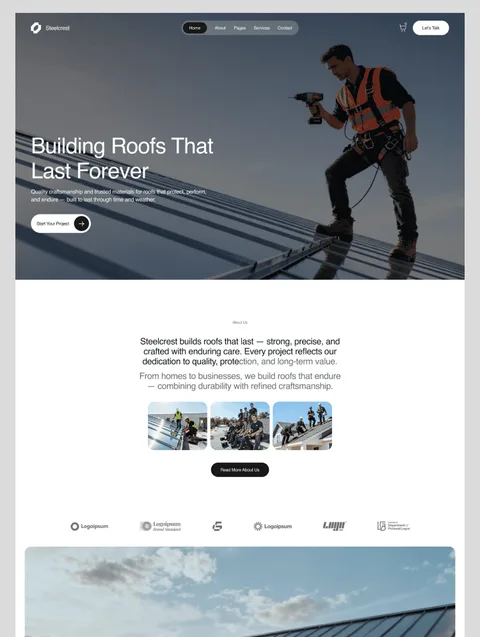
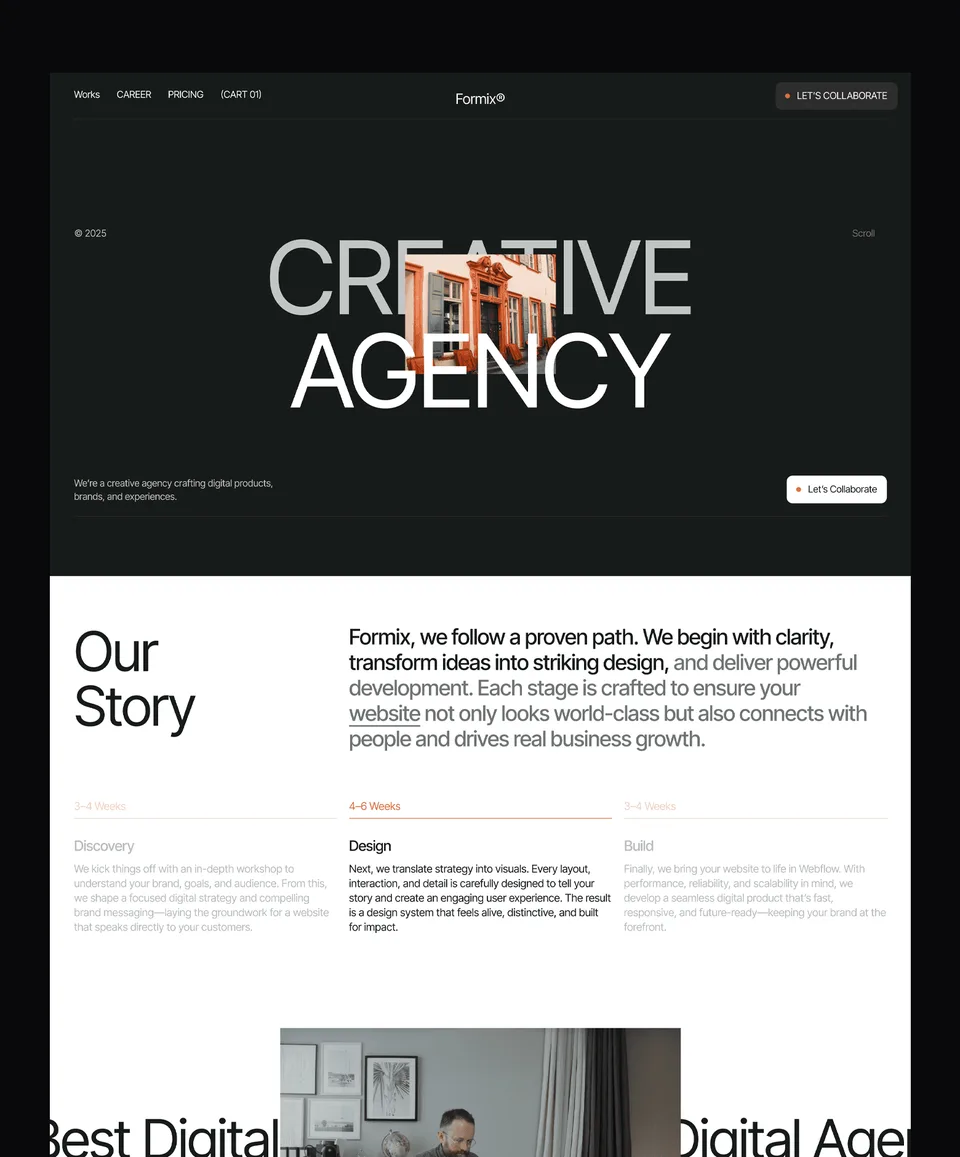
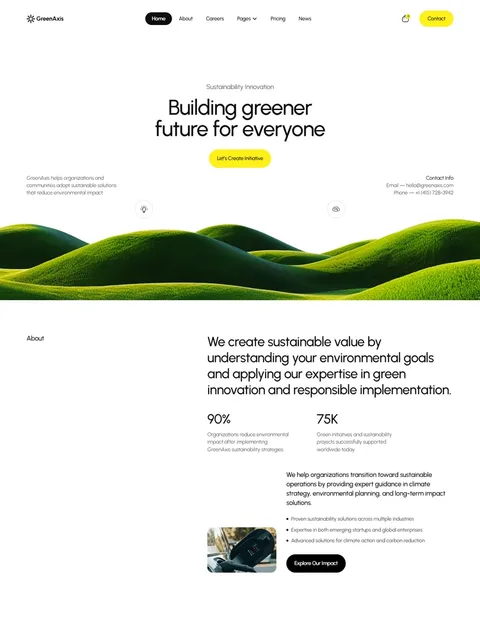
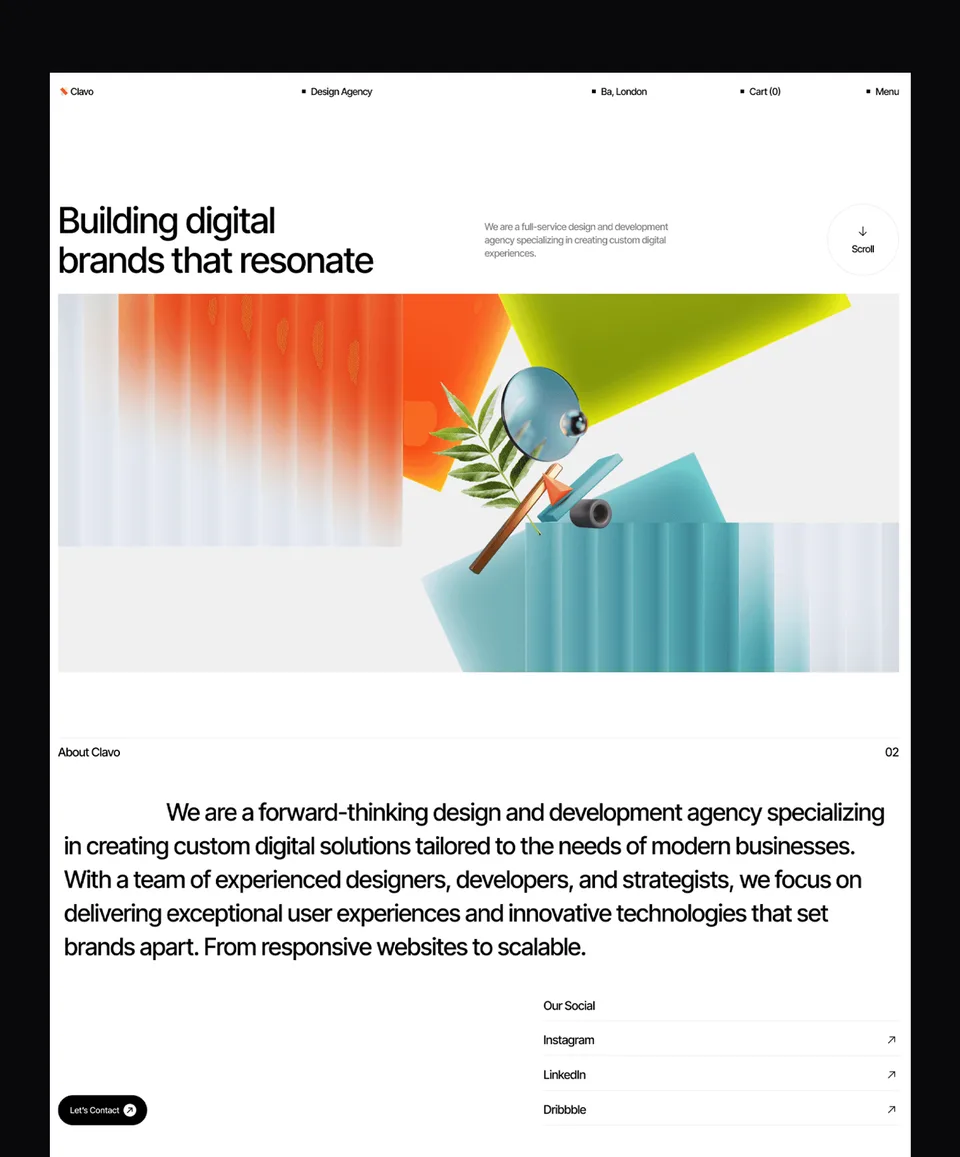
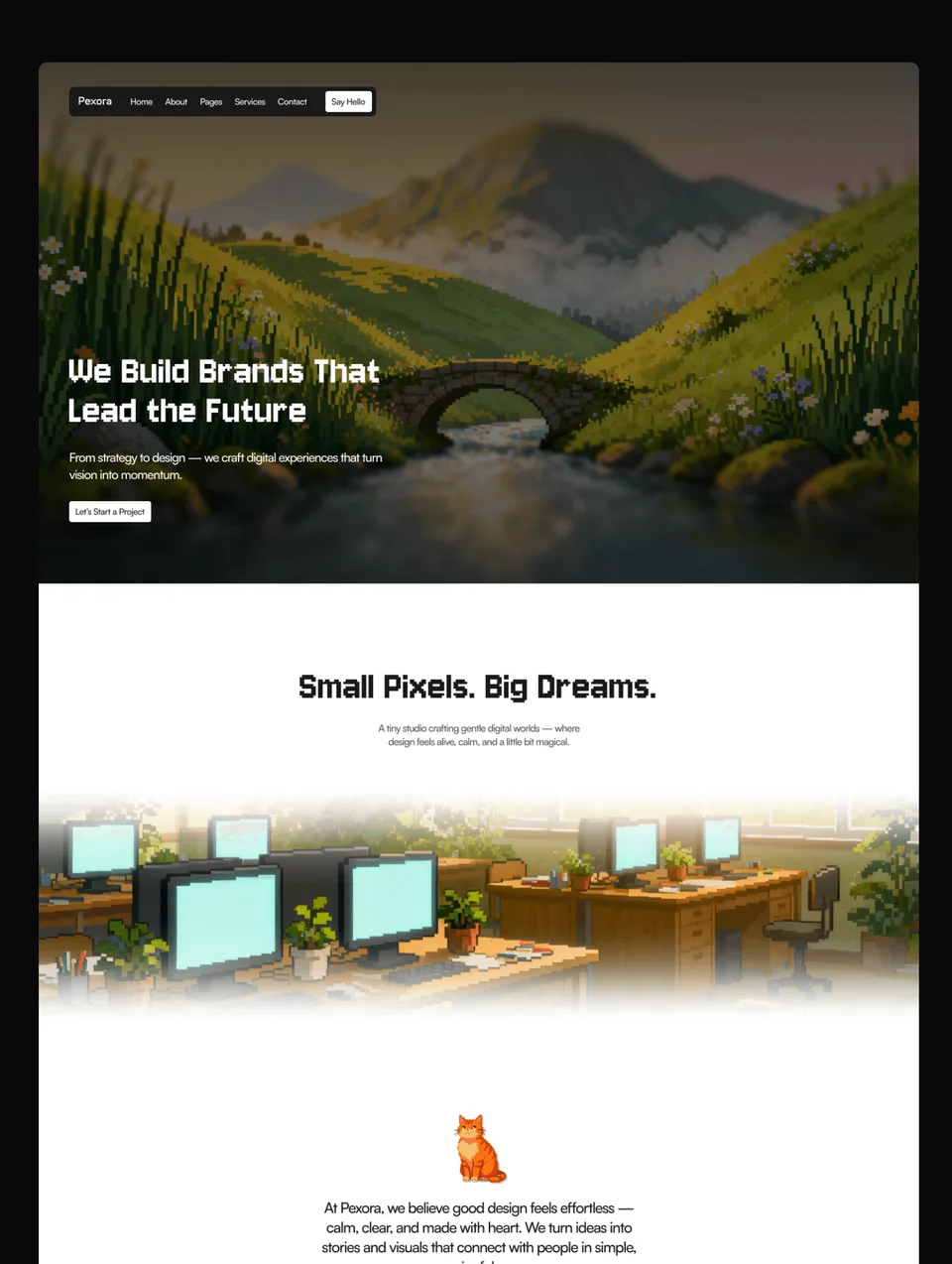
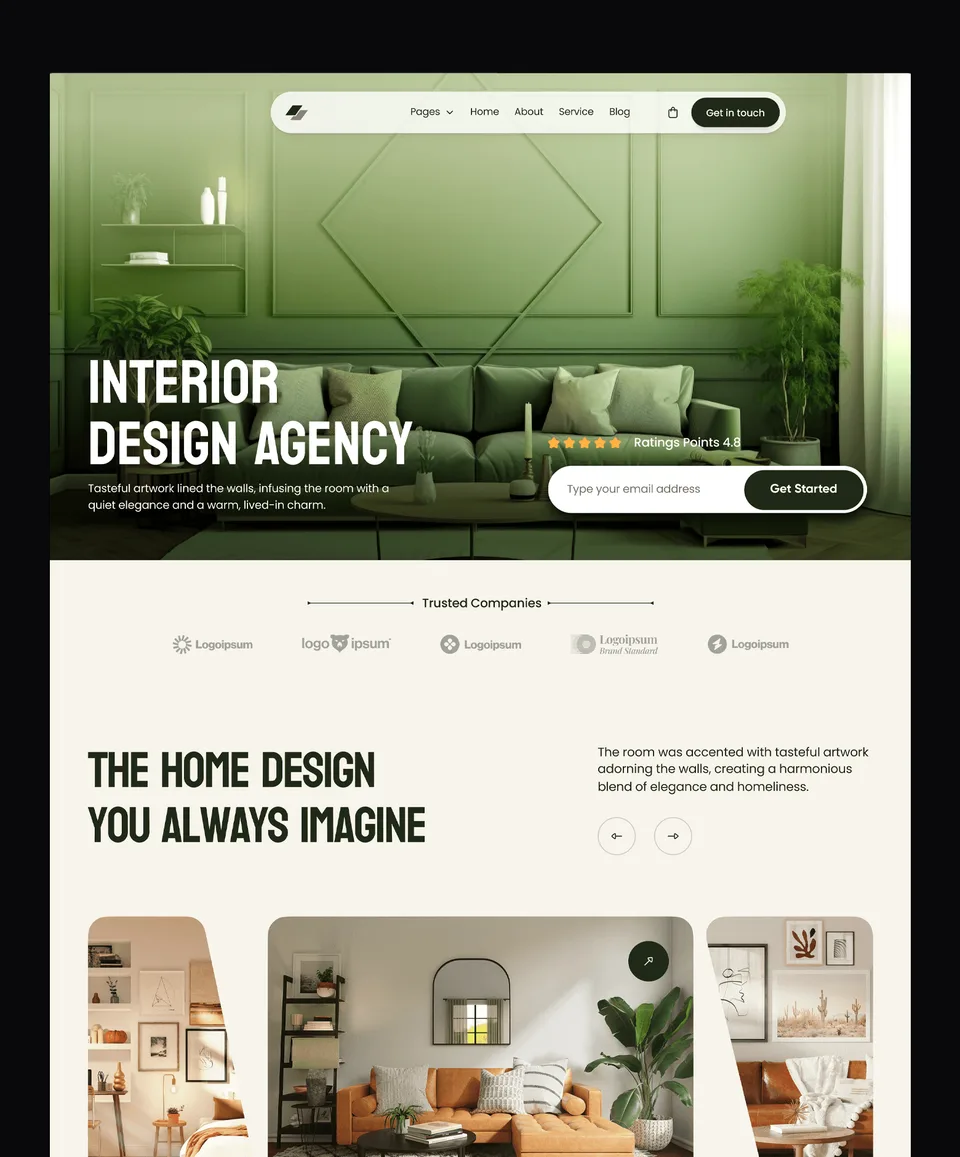
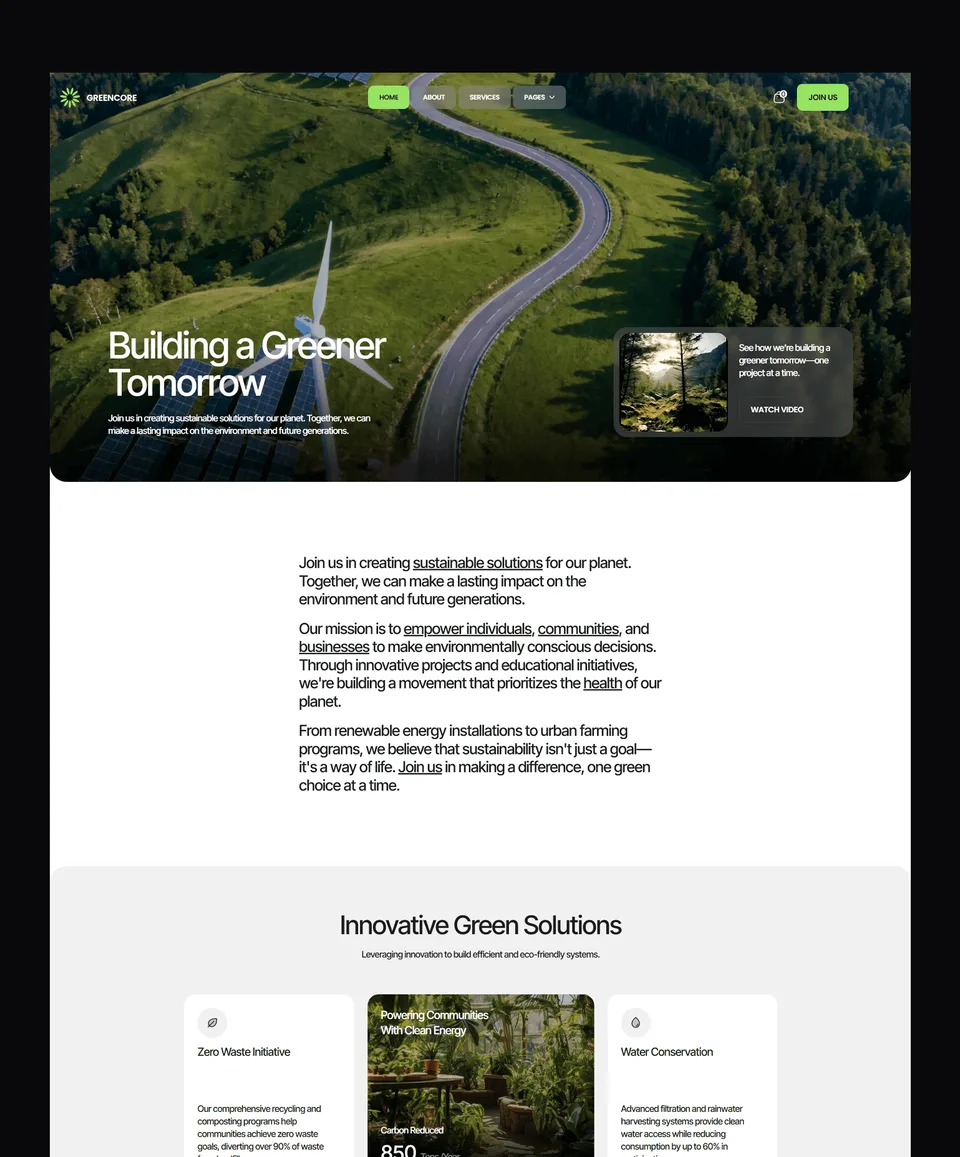
Waida Studio has 41 Next.js templates: 2 free and 39 premium from $49 to $49, for business, agency, professional services, portfolio and SaaS sites. Each is licensed for unlimited client projects, with the Figma file behind it sold separately. Every one is also available for Framer, Webflow, HTML and Astro.













-1-480x360.webp)













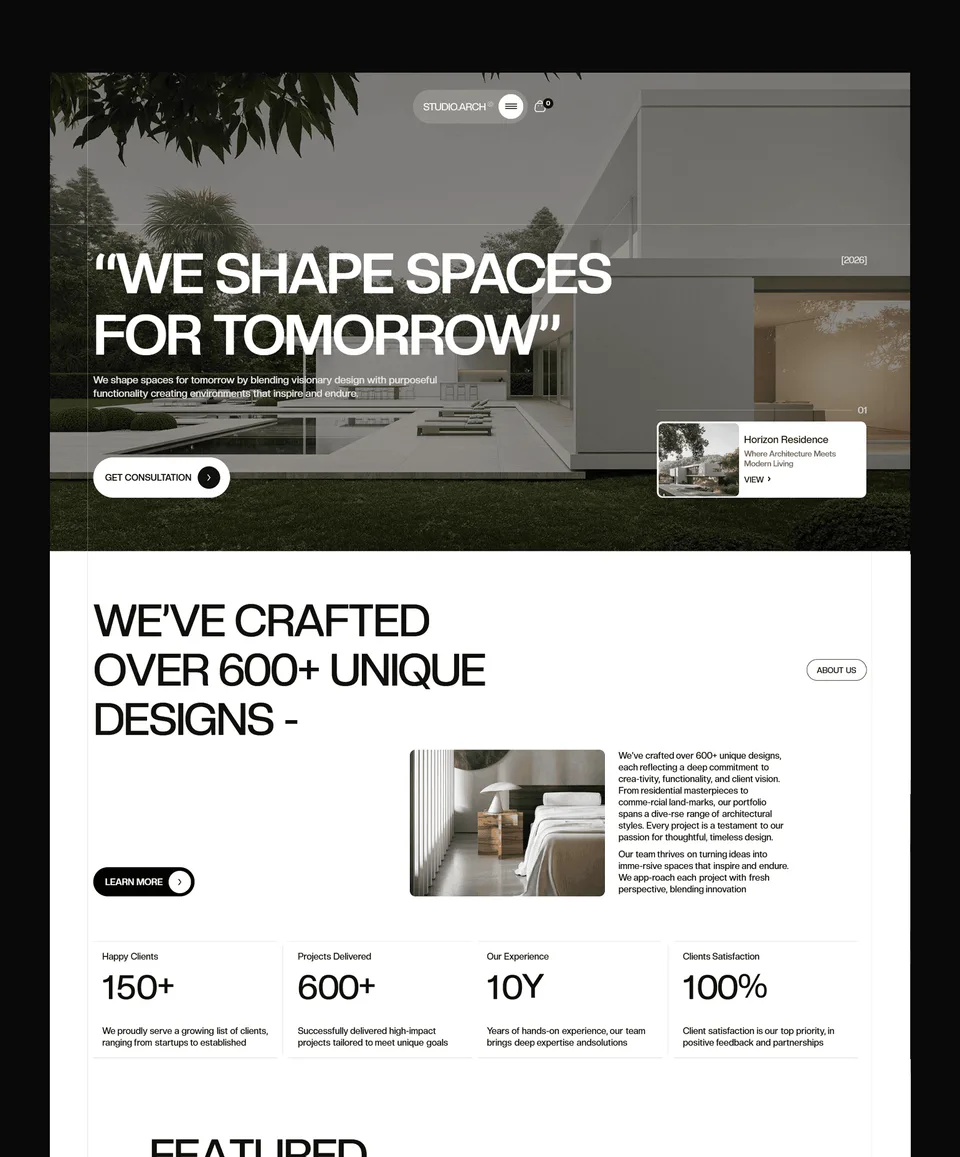

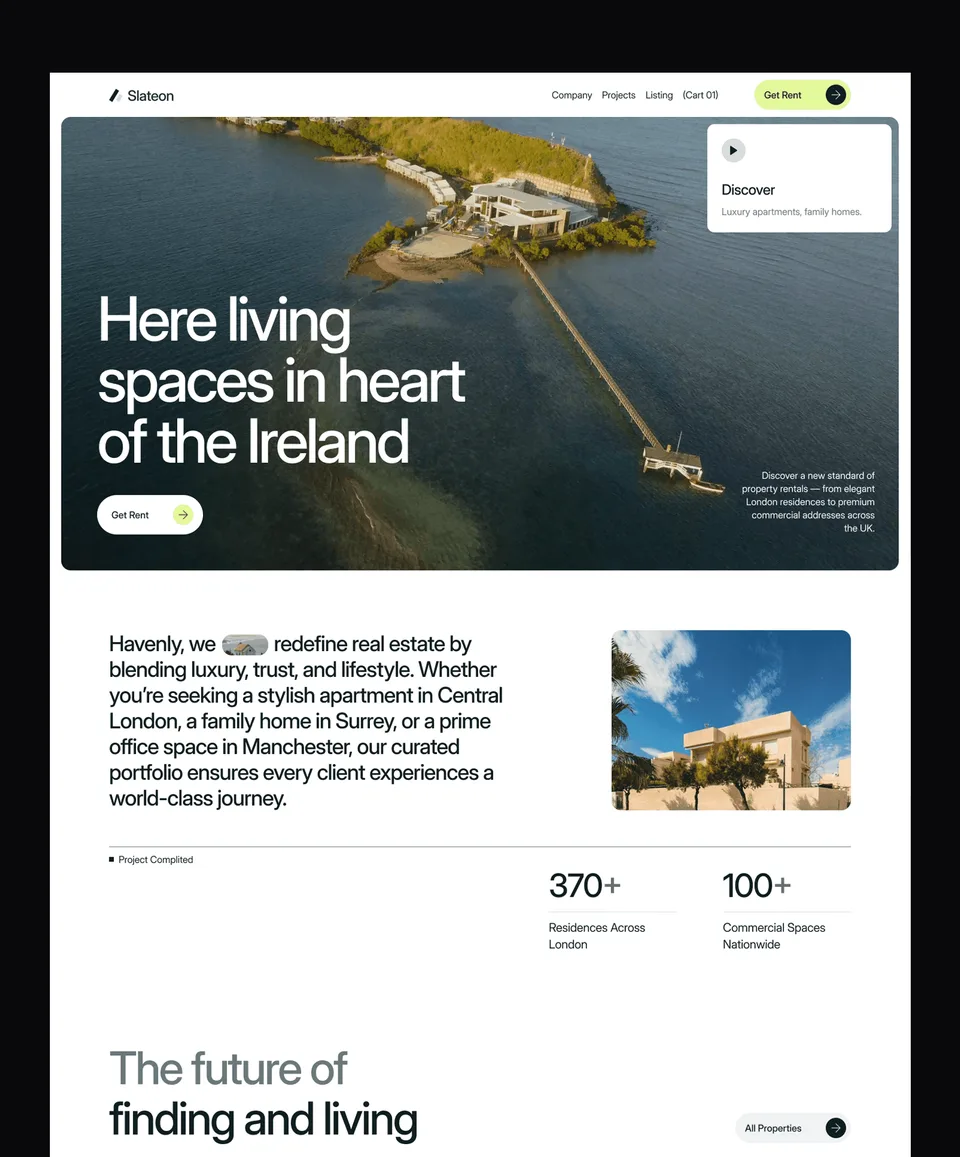

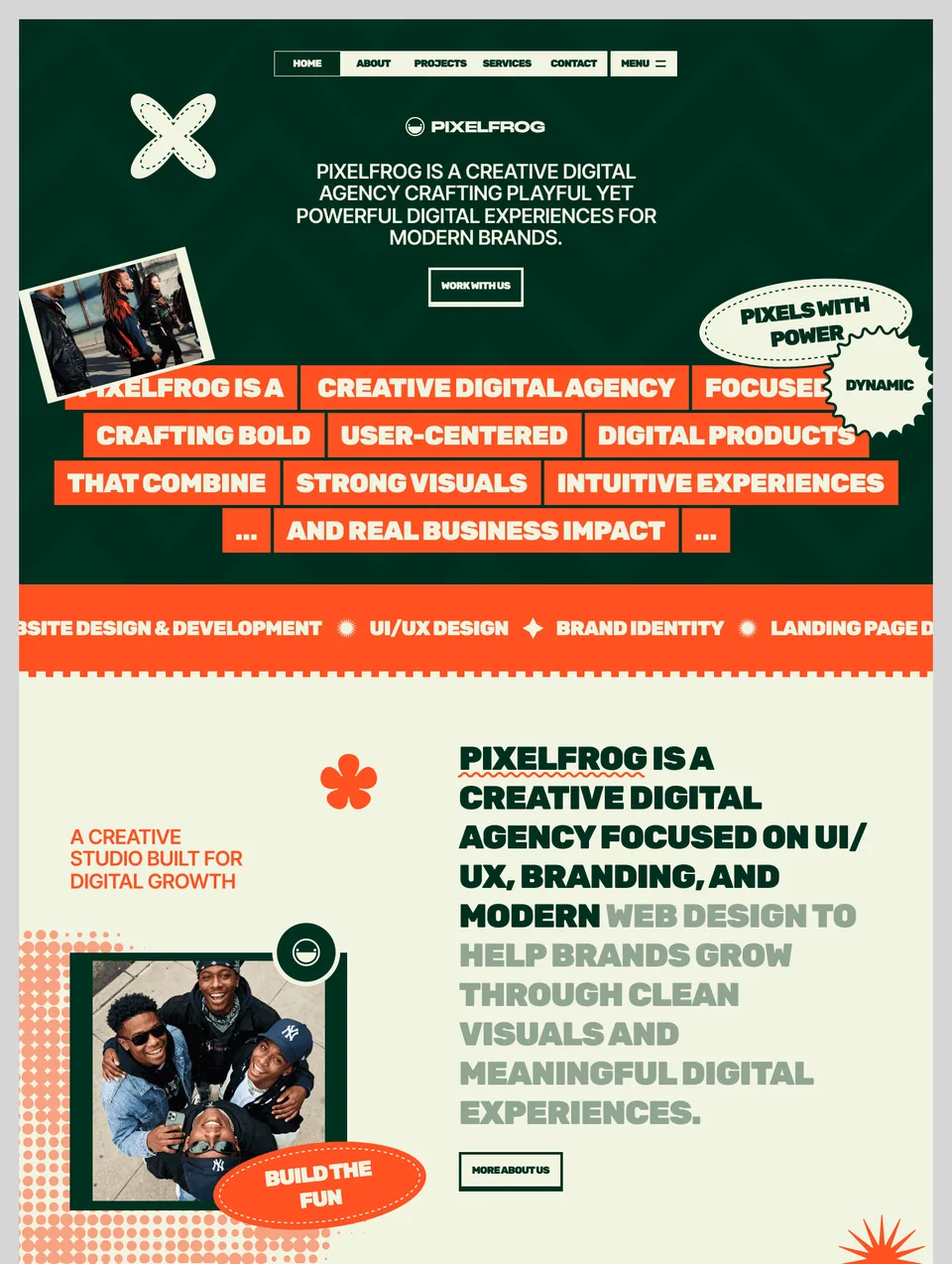



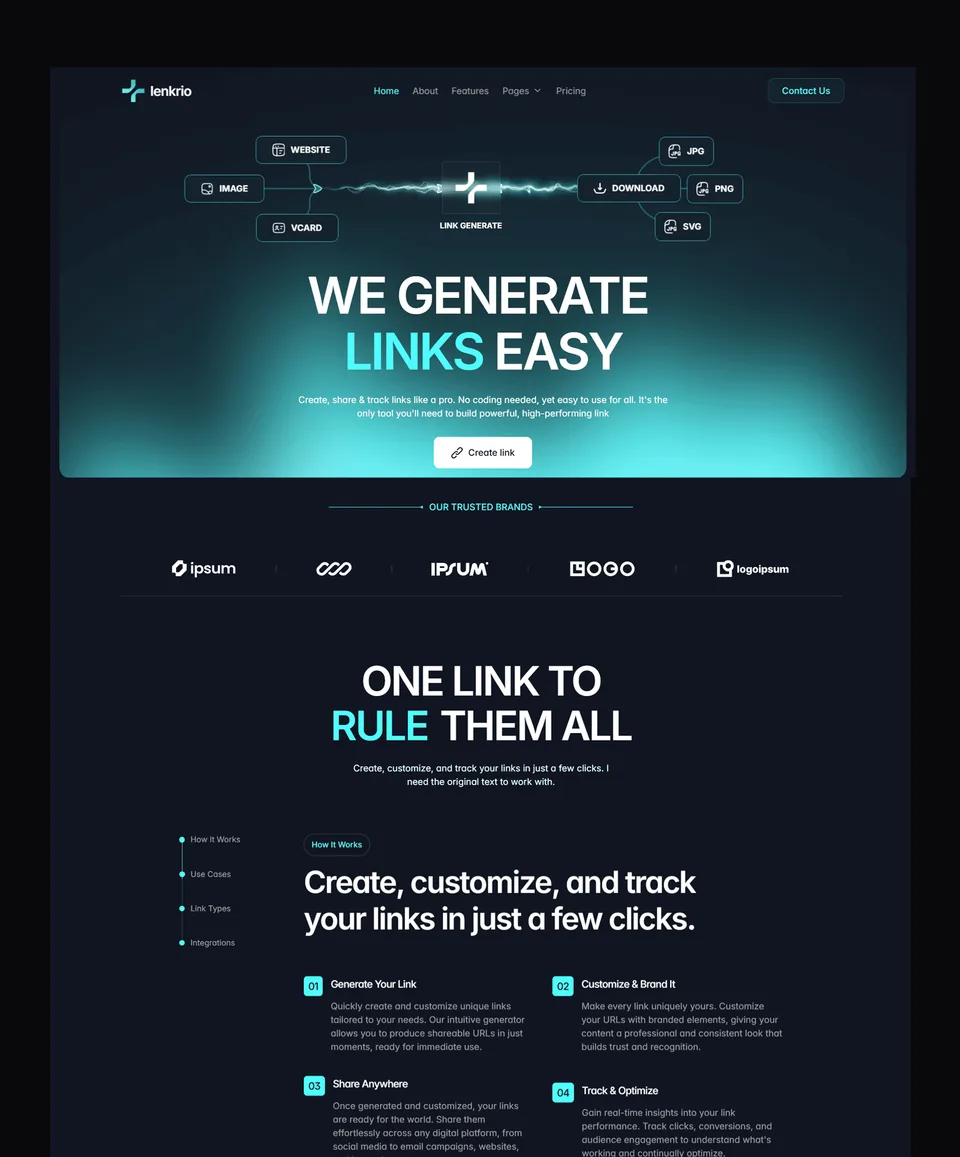

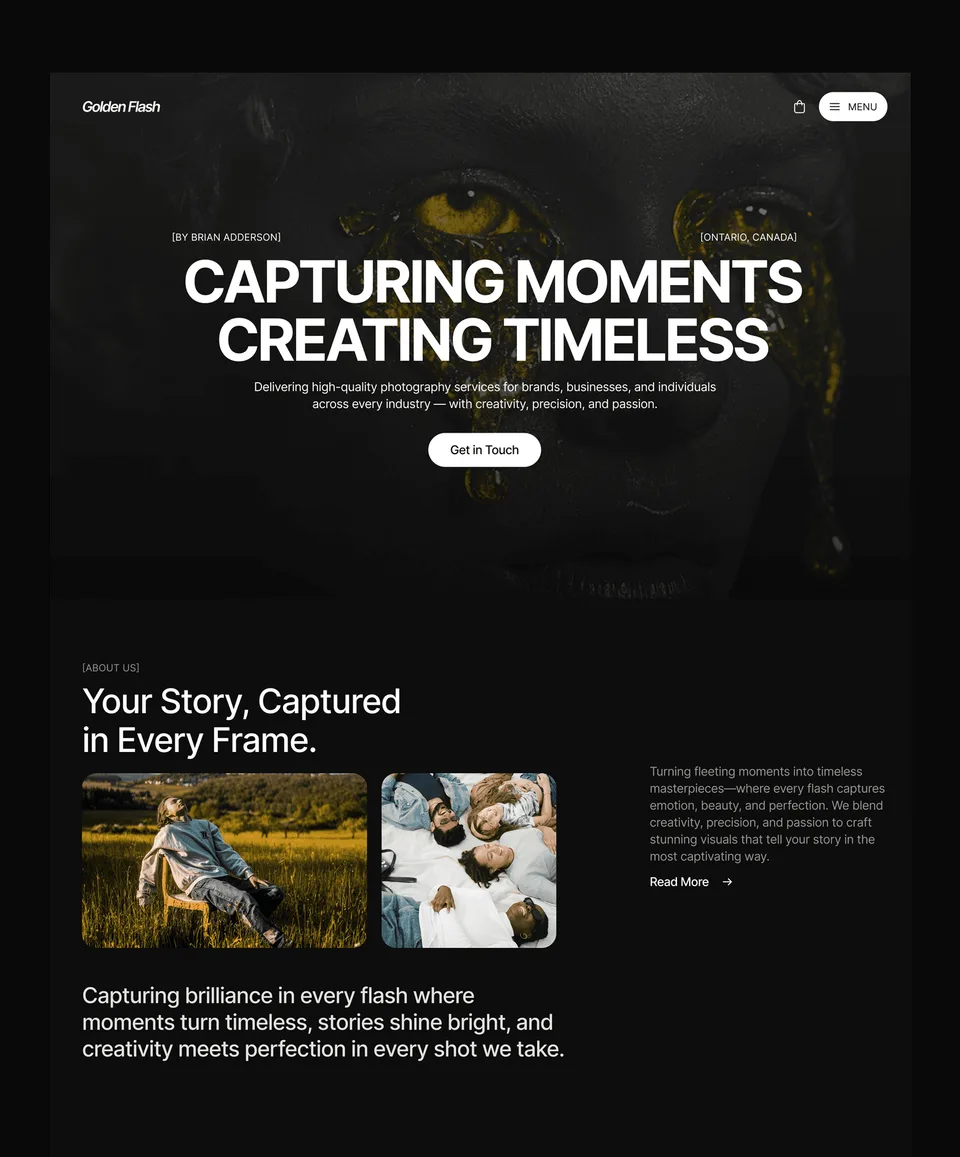

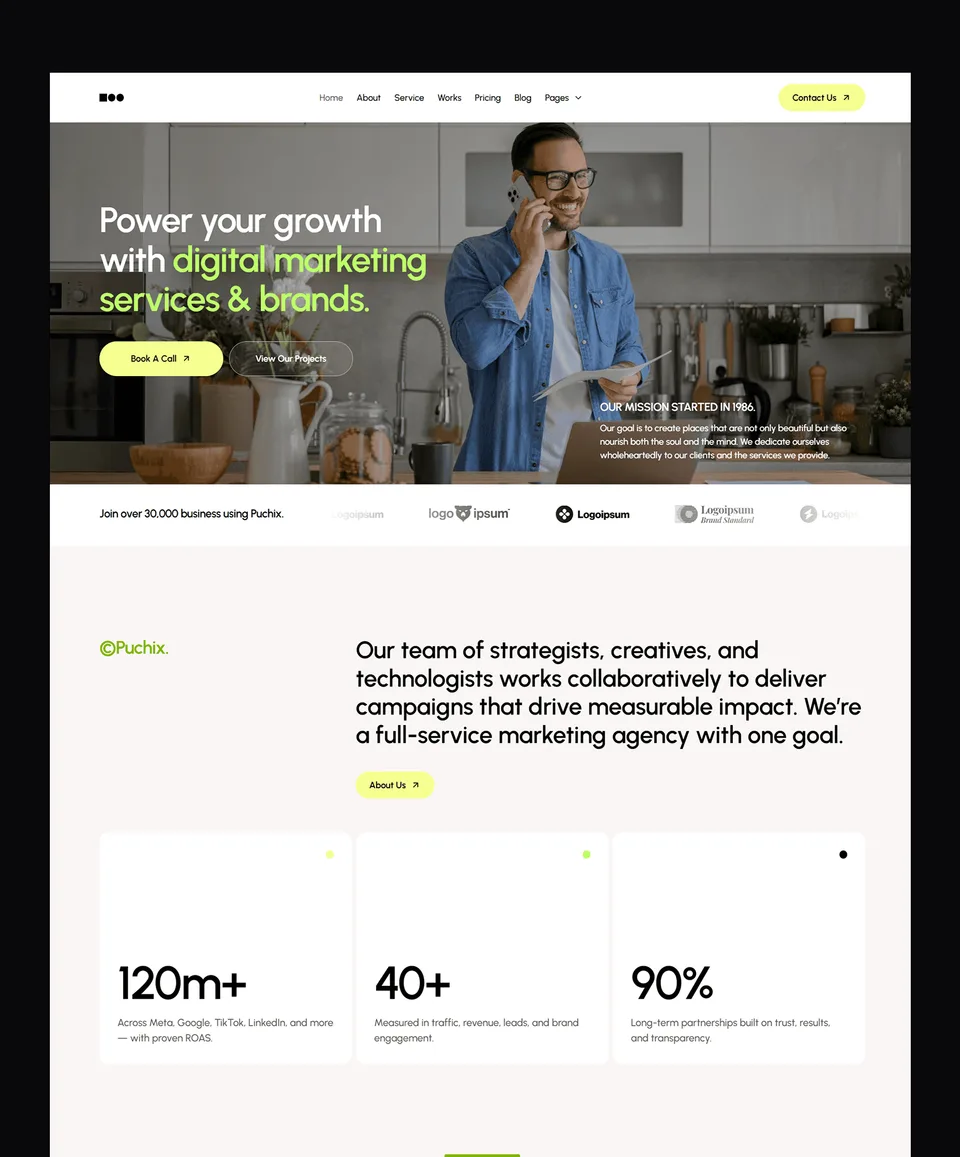

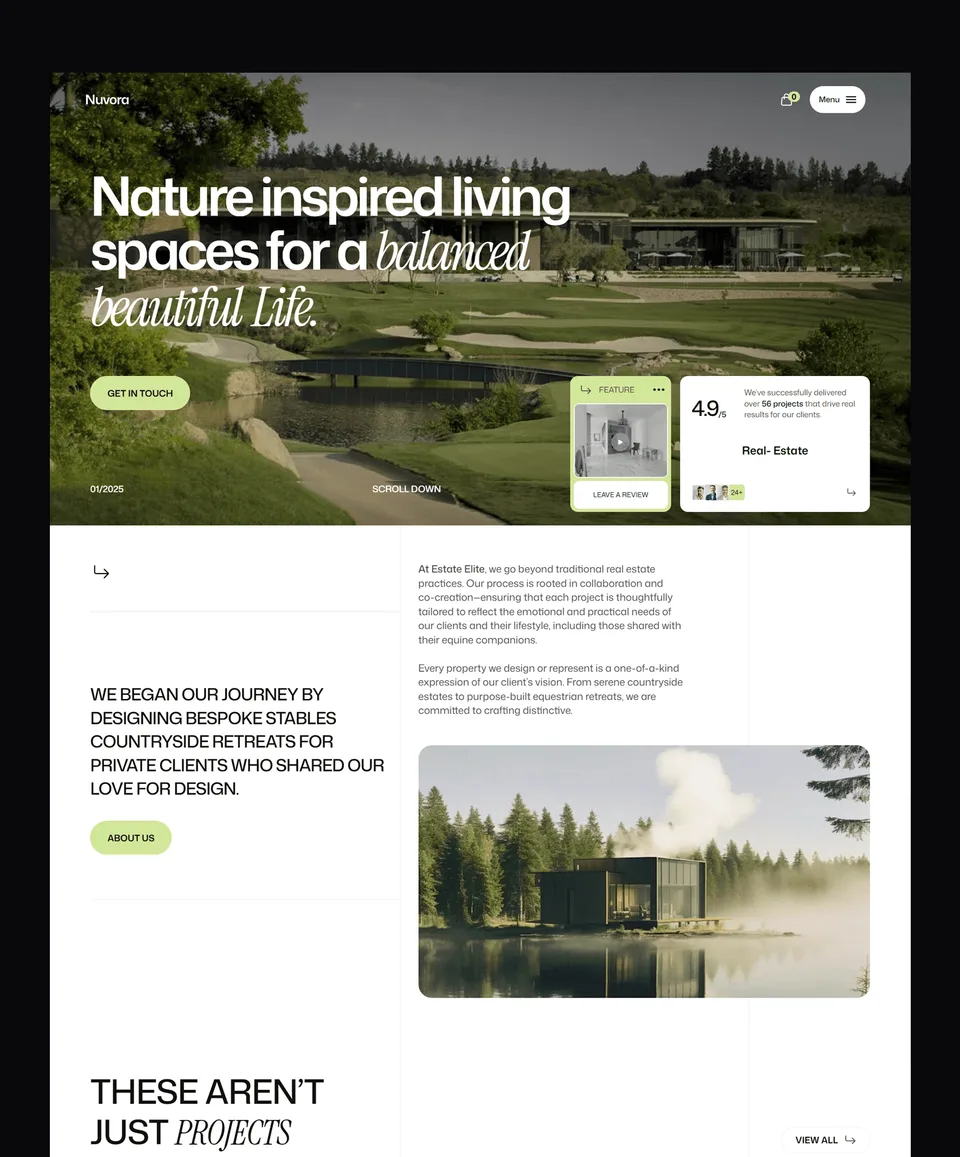

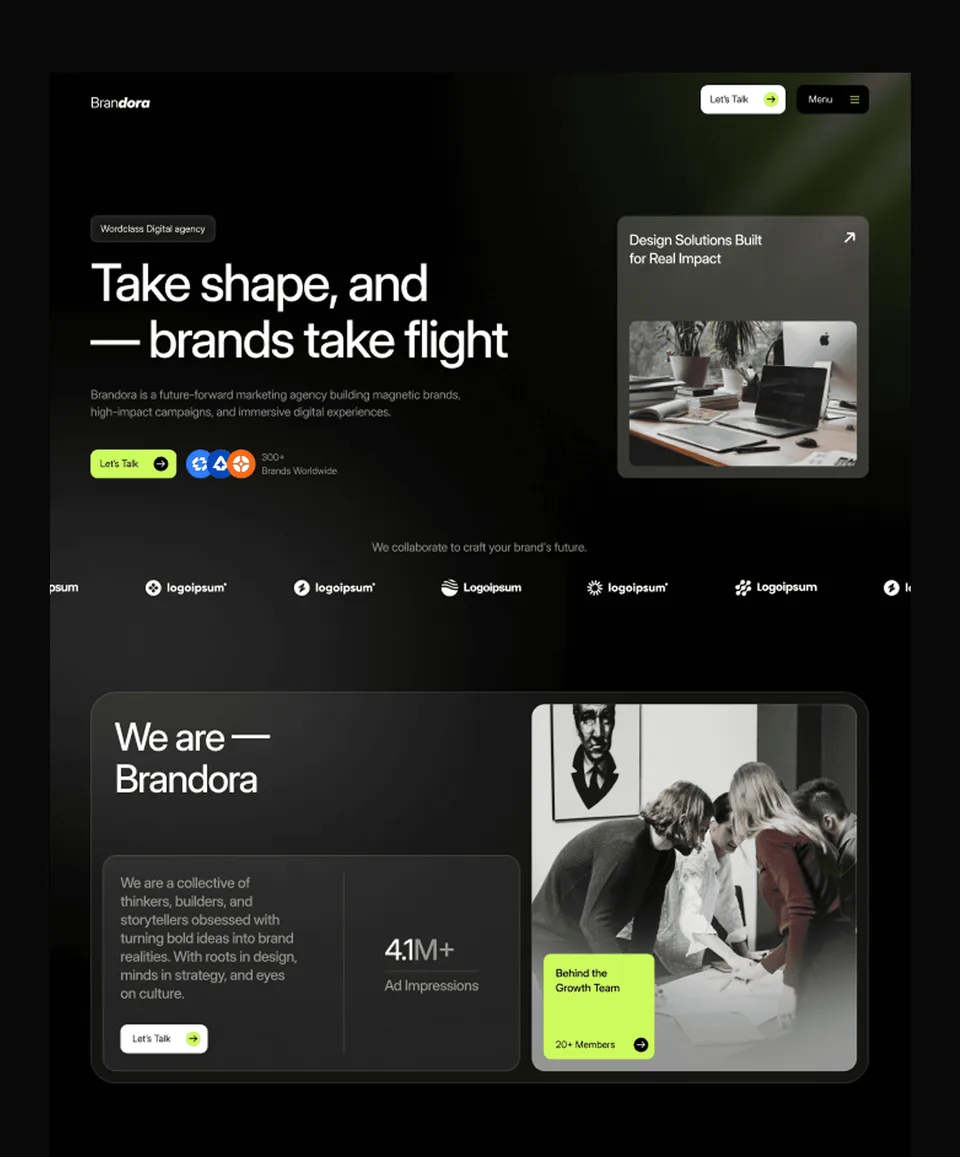

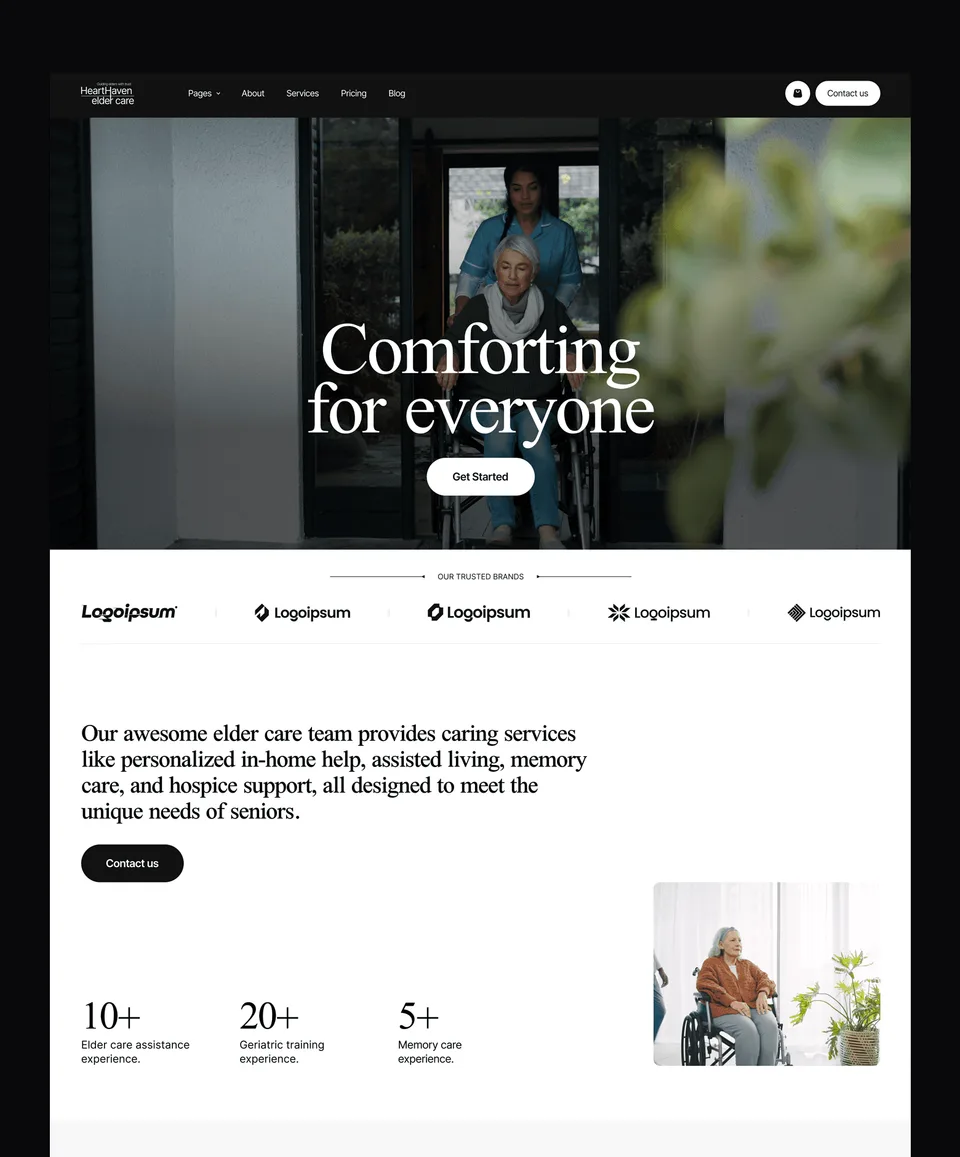

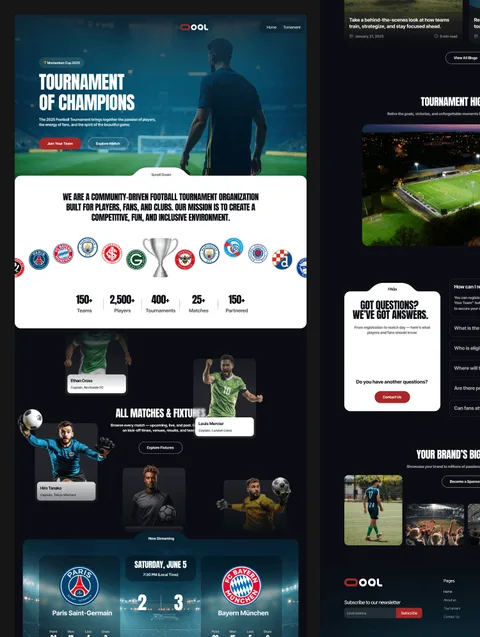

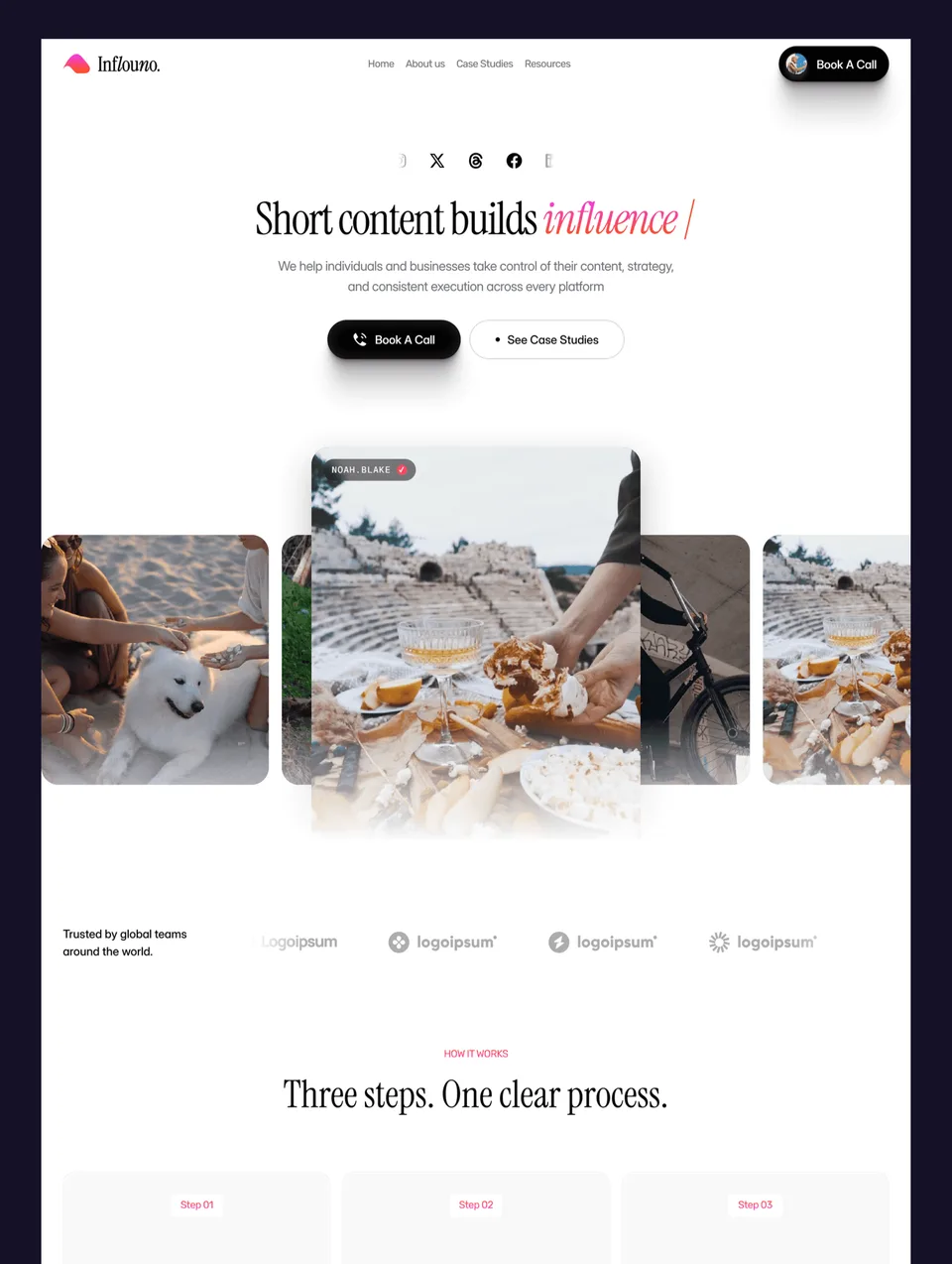



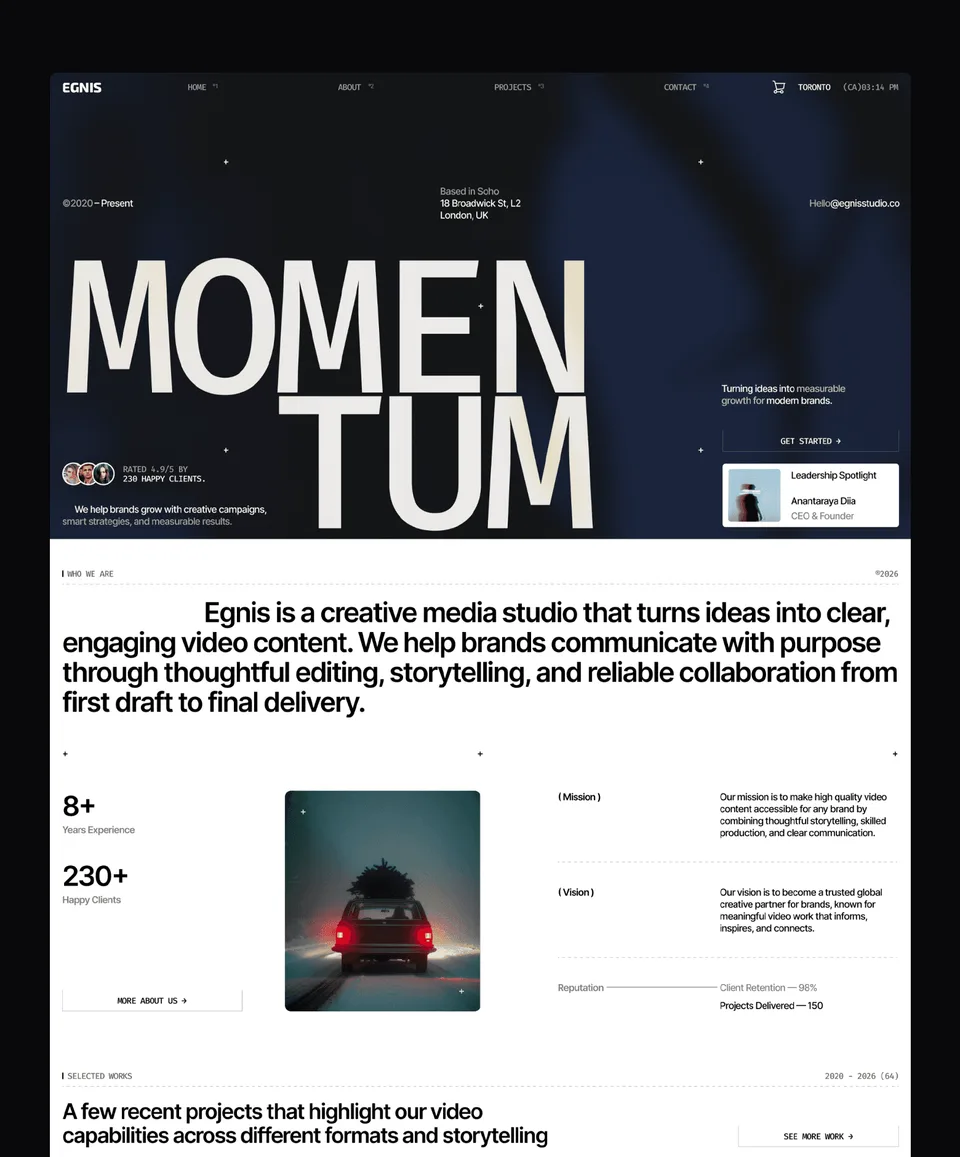

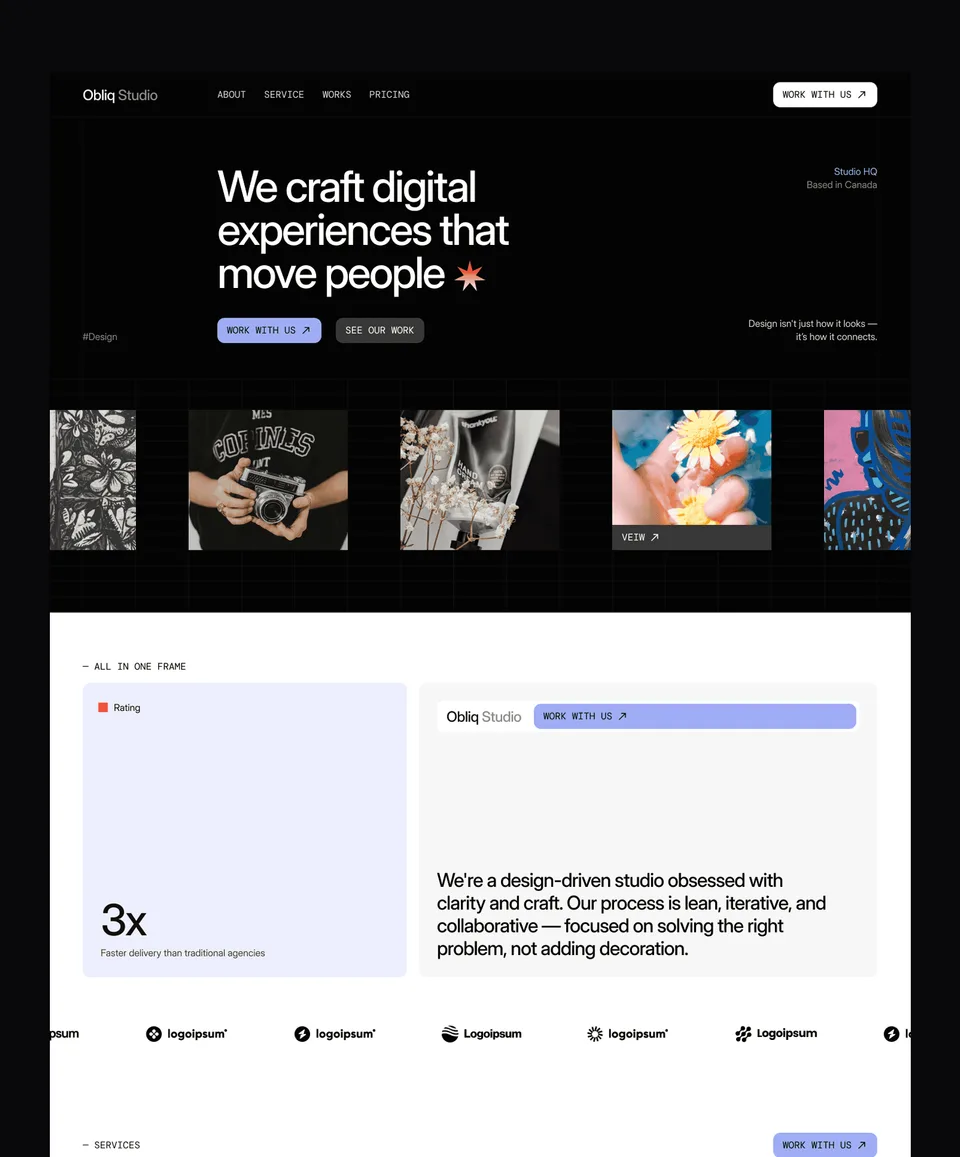

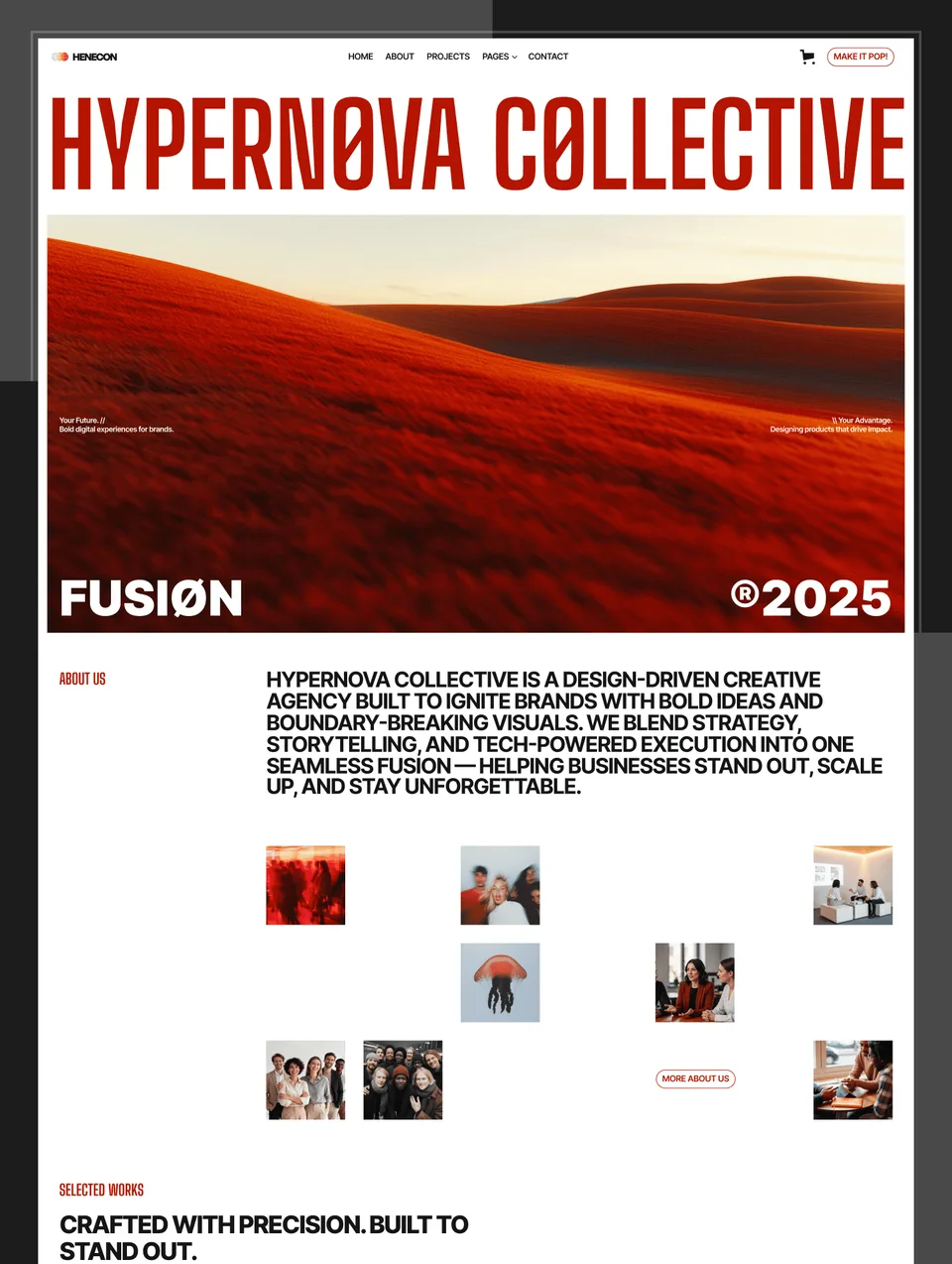



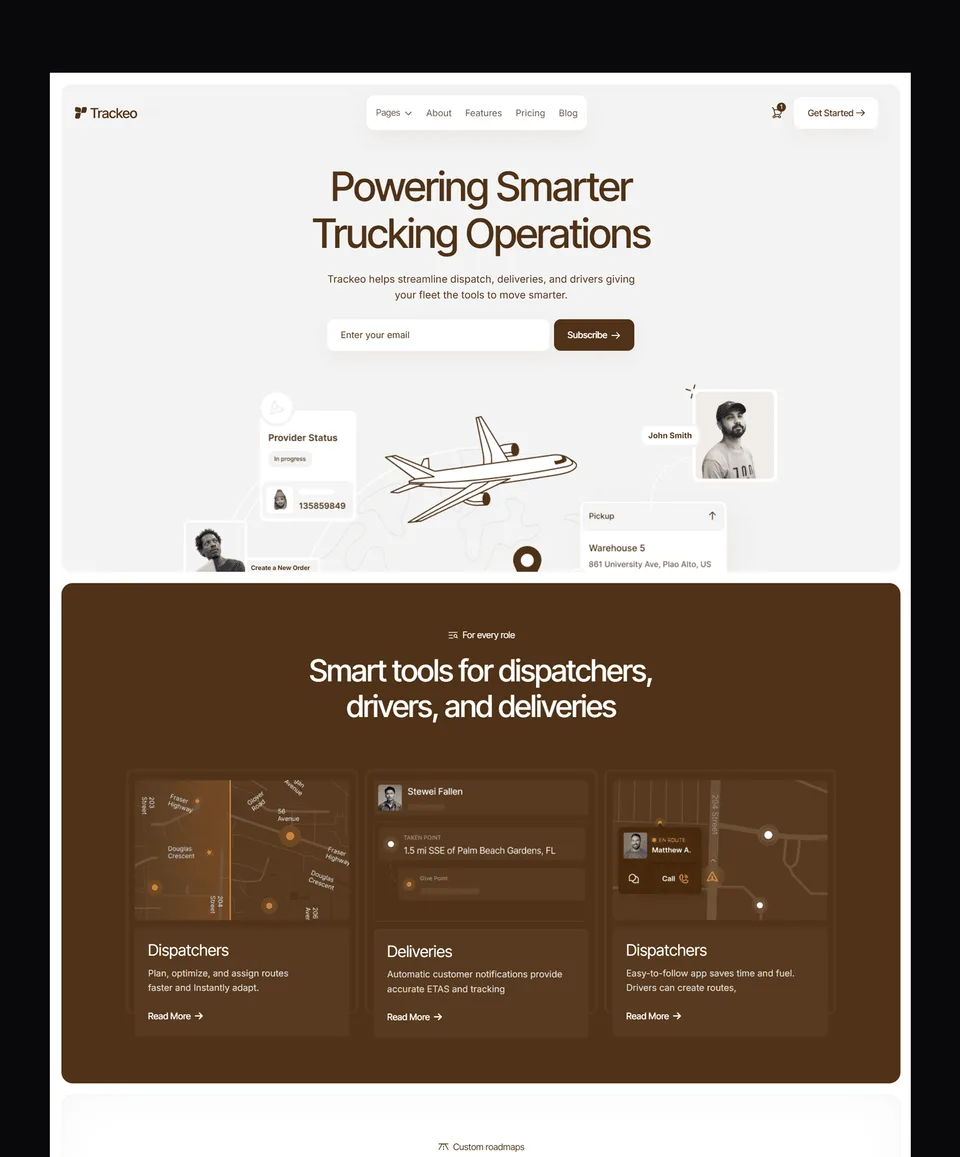



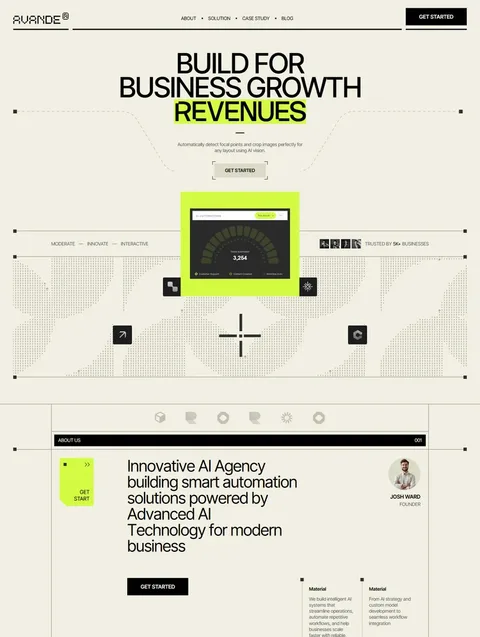

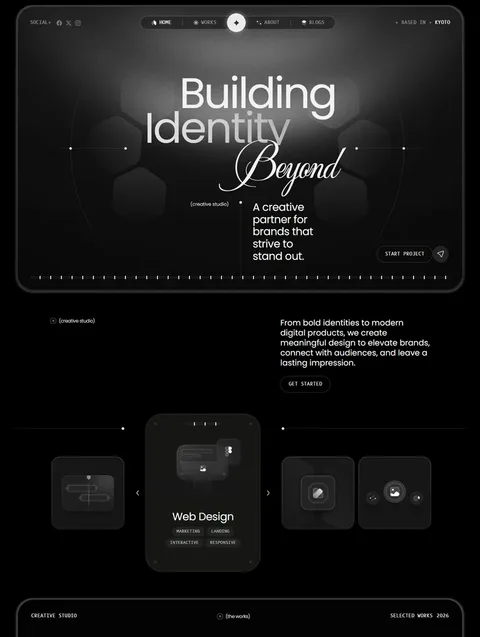

Next.js templates at a glance
| Templates | 41 Next.js templates, 2 free and 39 premium |
|---|---|
| Price | $49 per template, or $99 once for all 41 in the Next.js Bundle, future releases included |
| Licence | One person, unlimited projects, client work included. Reselling the template itself is not allowed. Terms |
| Delivery | A zip download of the Next.js project, ready to run and deploy |
| Figma file | Sold separately at $19 per template, or all of them in the Figma Bundle |
| Also on | Framer (36), Webflow (36), HTML (41) and Astro (41): the same designs, so a site can move platforms without a redesign |
| Updates | Free for templates you own; latest update October 2026 |
| Checkout | Blink, major cards accepted. Free templates need a free account. |
Free Next.js templates: Zelda, Medonix. All 2 free Next.js templates
One template, the bundle, or a plan
| Option | Price | What you get |
|---|---|---|
| One template | $49 | That template on Next.js, licensed for unlimited projects |
| Next.js Bundle | $99 once | All 41 Next.js templates, plus every future Next.js release |
| Pro | $12/month billed yearly, or $299 lifetime | Unlimited sections and a template credit every quarter, on any platform |
| Ultra | $36/month billed yearly, or $699 lifetime | Unlimited sections, a credit every month, three seats; lifetime unlocks every template on every platform |
What you get
Each Next.js template is a real application, not a design exported to JSX. App Router, TypeScript, server components where they belong and client components only where interactivity needs them. Tailwind for styling, so the design system lives in configuration rather than in a thousand scattered declarations.
The full page set comes with it, wired as routes: home, about, services or work, a blog with dynamic routes, contact, plus a styled not-found page and a style guide route. Metadata is set through the Metadata API rather than bolted on, images use next/image with real dimensions, and the components are typed.
Who these are for
Next.js earns its complexity when the site has to do more than present pages: authentication, forms that write somewhere, a headless CMS, an API route or two, a dashboard behind a login. If your marketing site will grow into a product, starting here saves a migration later.
If it will not, be honest about that. A brochure site with a contact form does not need a React framework, and the HTML versions of these same designs will deploy anywhere for free and still be running untouched in five years. Choosing the smaller tool is not a failure of ambition.
Bring your own everything
These templates deliberately do not pick your CMS, your database or your auth provider. Content is local and typed, which means it is easy to read and easy to replace: point the same components at Payload, Sanity, Contentful or a folder of MDX, and the pages do not care.
Same for deployment. They run on Vercel with no configuration, and equally on Netlify, Cloudflare, a container or a VPS. Nothing in the code assumes a host.
Editing them, with or without an assistant
Conventional Next.js structure is what makes these workable with an AI coding assistant: the file layout is the one every model has seen thousands of times, so “add a pricing section to the home page” lands where you would expect rather than somewhere inventive. Clever, unconventional architecture is exactly what makes a codebase hard to hand over, to a person or a model.
Delivery, price and the bundle
Next.js templates arrive as a source zip, emailed on purchase. There are 37 in the catalogue: Zelda and Medonix are free, and the rest are $49 each. The Next.js bundle is $99 once for every Next.js template, present and future. A Pro or Ultra plan adds the sections library and template credits usable across every platform.
The same designs exist as Astro and HTML builds, and most also as visual-editor versions for Framer and Webflow. The Figma design file is a separate $19 purchase and is not needed to use the code.
What the licence allows
Every purchase grants a licence to use the template for personal or commercial work — the right to use the design, not ownership of it. One purchase is licensed to one person and covers an unlimited number of projects, your own and your clients’ alike, with no per-site limit. Ultra is the team licence, up to three named people. What you cannot do is resell, redistribute or repackage the templates as standalone files. The full terms are on the terms page.
Frequently Asked Questions
What version of Next.js do these use?
Current Next.js with the App Router and TypeScript throughout, styled with Tailwind. Server components are used where they belong and client components only where interactivity requires them.
What exactly is in the download?
A source zip with the full application: routes, components, styles, content, images and a readme. Install dependencies, run the dev server, and it is up.
Do I need to know React?
Yes, for anything beyond copy and images. These are real applications rather than static pages. If you want to edit without code, the Framer and Webflow versions of the same designs are built for visual editing.
Which CMS do they use?
None by default. Content is local and typed so it is easy to read and easy to replace, and the components do not care whether the data arrives from Payload, Sanity, Contentful or MDX files.
Where can I deploy them?
Vercel with no configuration, and equally Netlify, Cloudflare, a container or your own VPS. Nothing in the code assumes a particular host.
How many Next.js templates are there and what do they cost?
37 Next.js templates: Zelda and Medonix are free, the rest $49 each. The Next.js Bundle is $99 once and includes every current and future Next.js template.
Is the Figma file included?
No. The Figma design file behind each template is a separate $19 purchase (free for Zelda and Medonix), or $49 for the Figma Bundle covering all of them. The template is complete without it.
Can I use one on client work?
Yes, on as many projects as you like. One purchase is licensed to one person and covers unlimited personal and client projects. Ultra covers up to three people. You cannot resell or redistribute the template itself.