Every Astro template, one payment.
All 41 Astro templates, lifetime access, future releases included. Or start a plan and unlock templates with credits.
Astro Templates: 41 Launch-Ready Sites, 2 Free
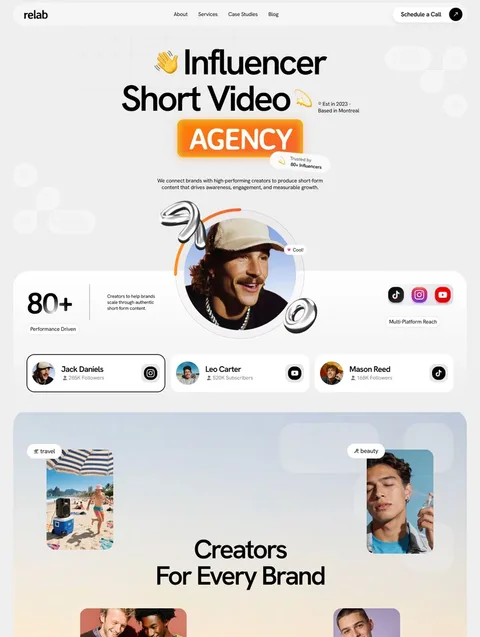
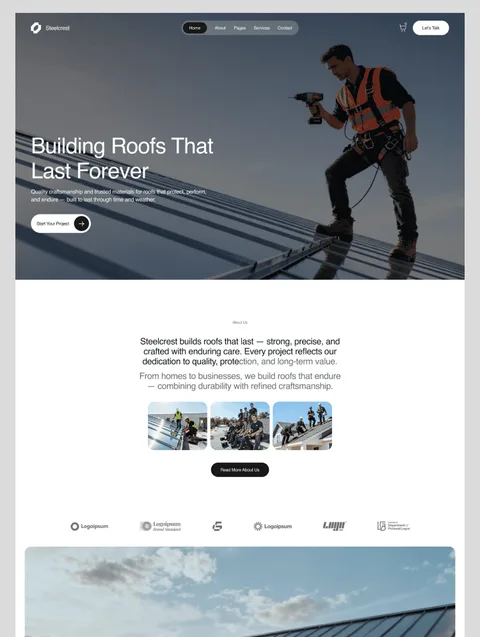
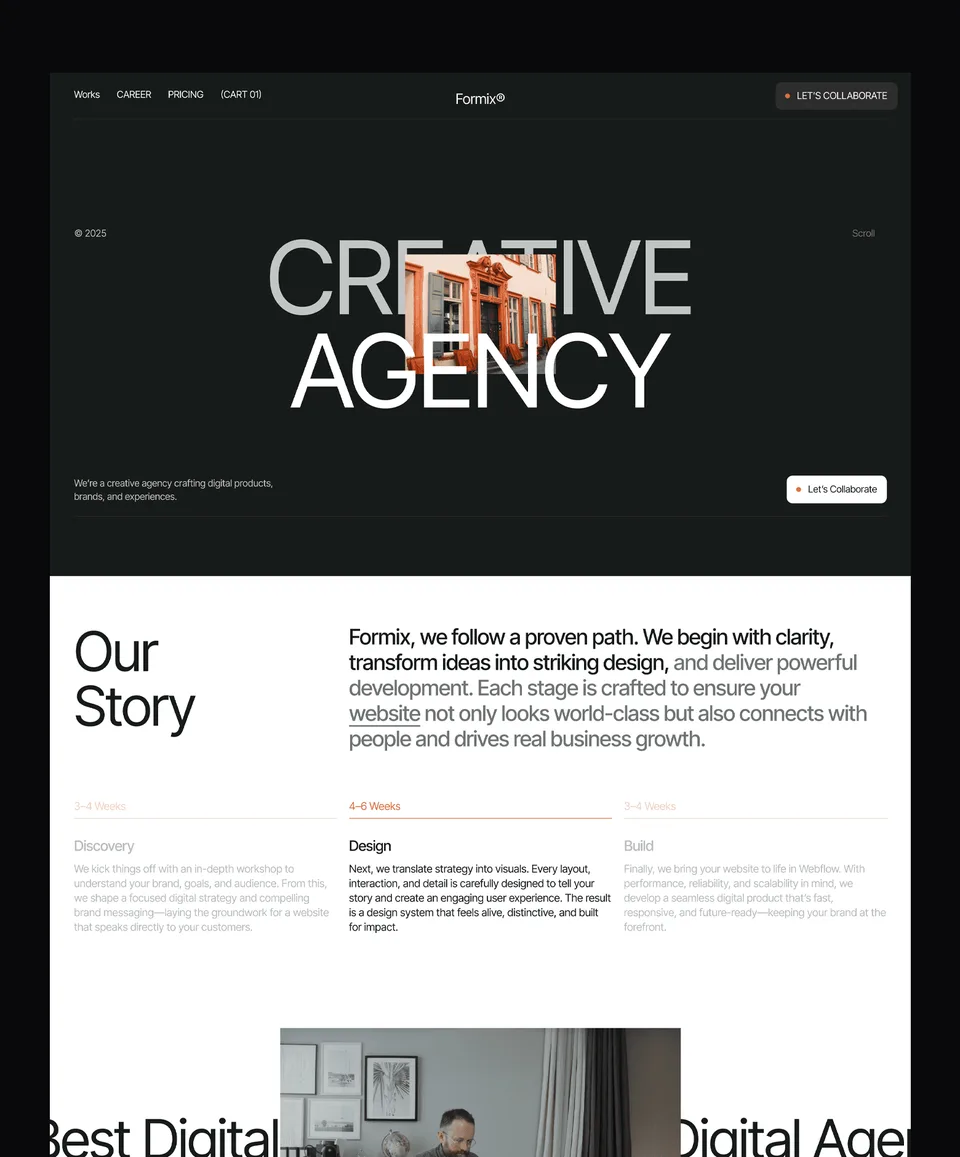
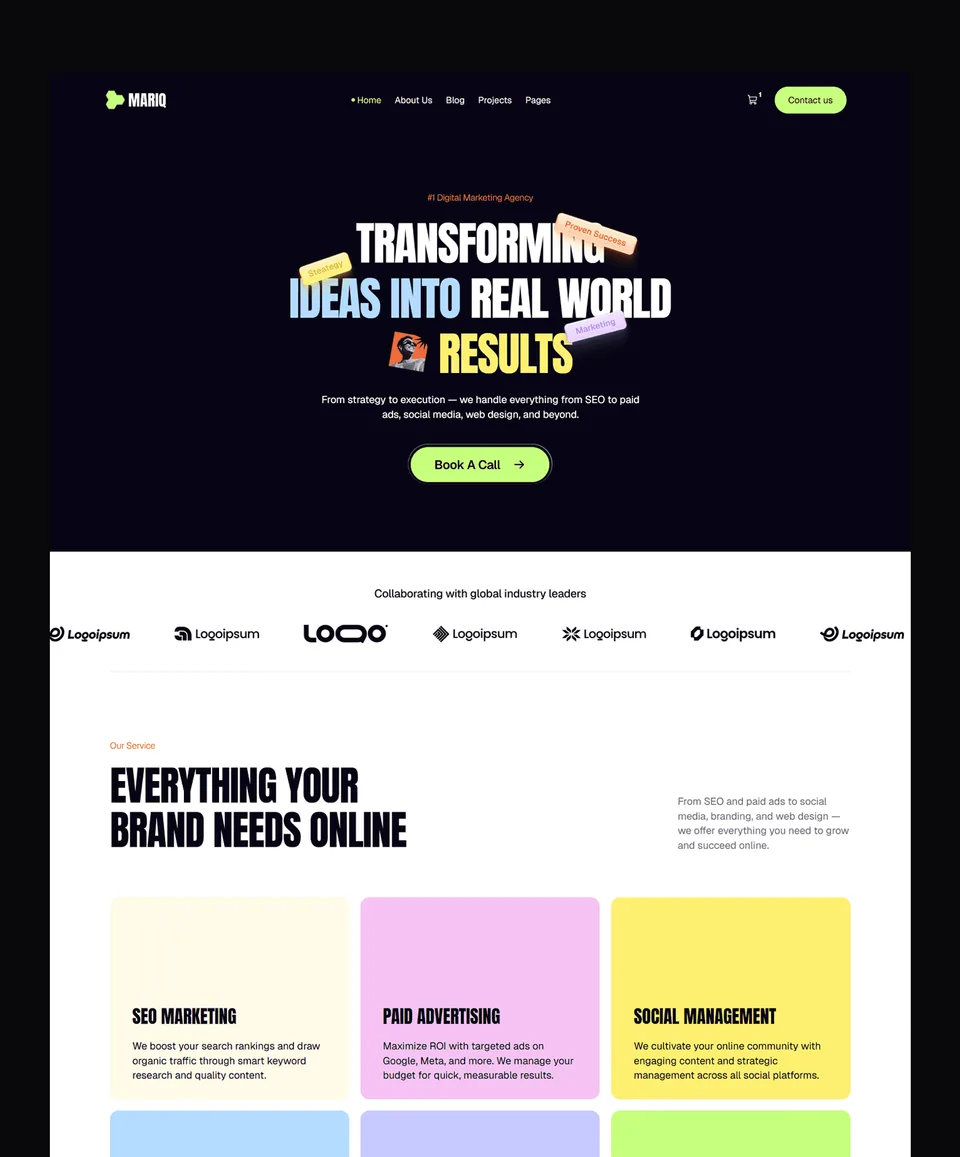
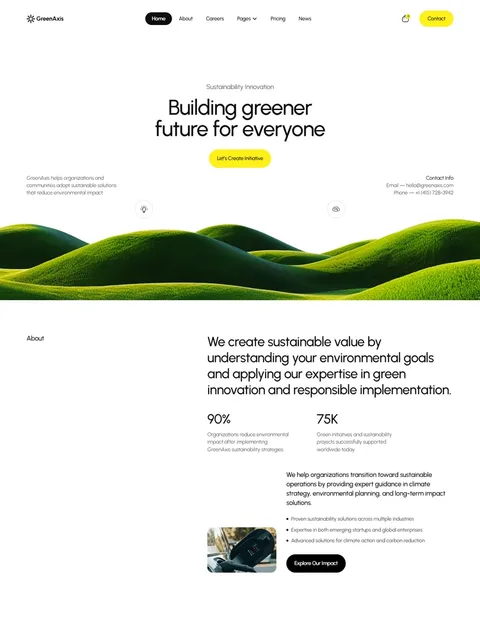
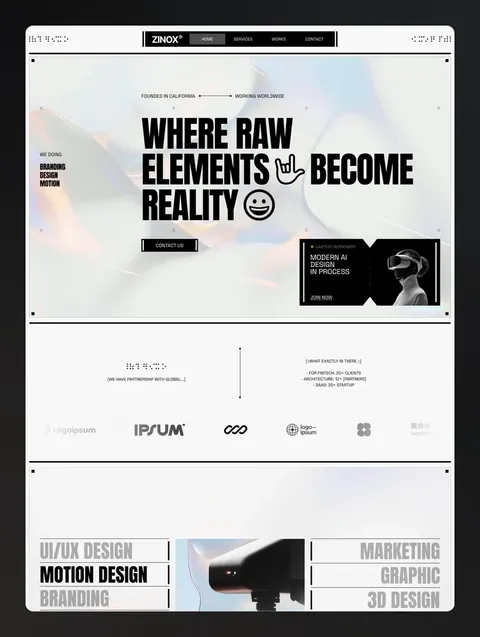
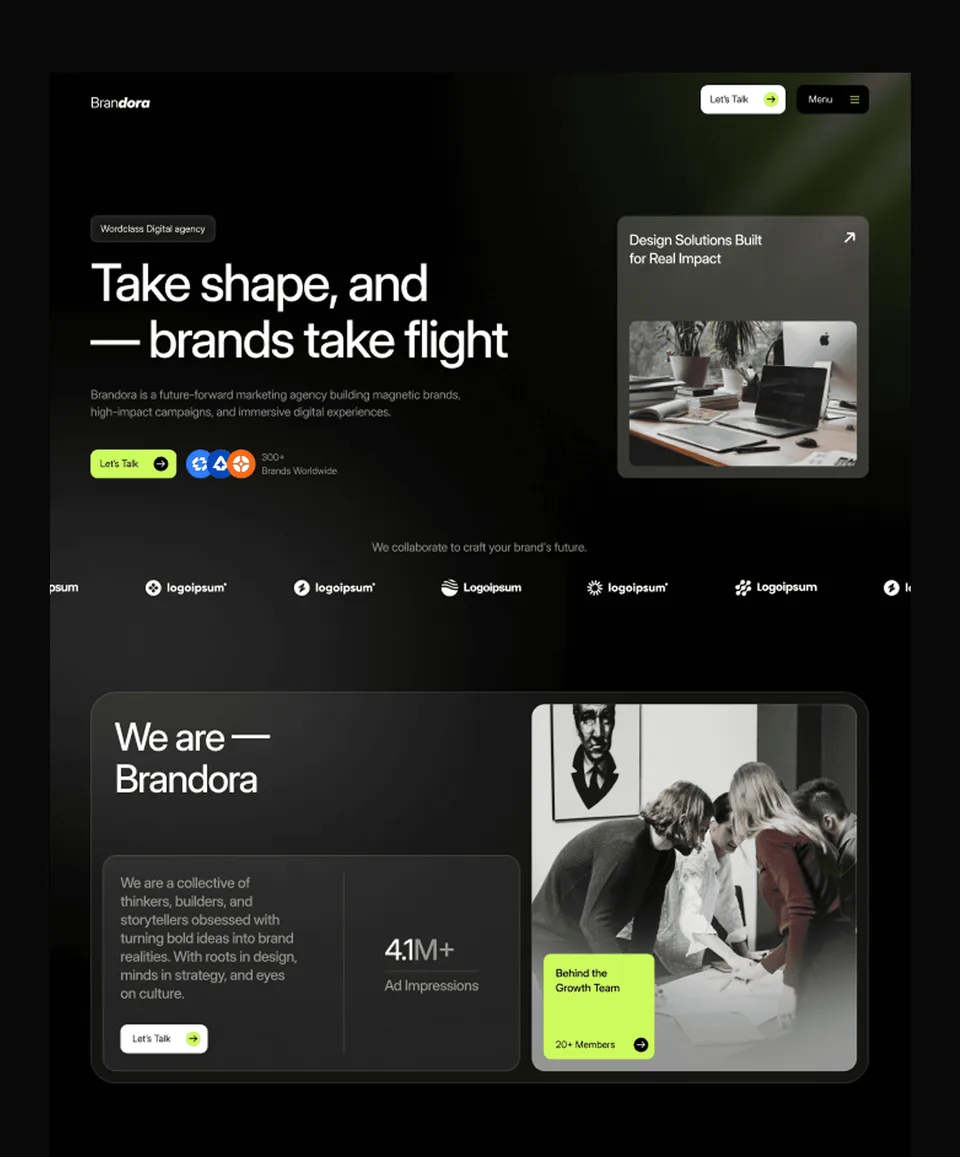
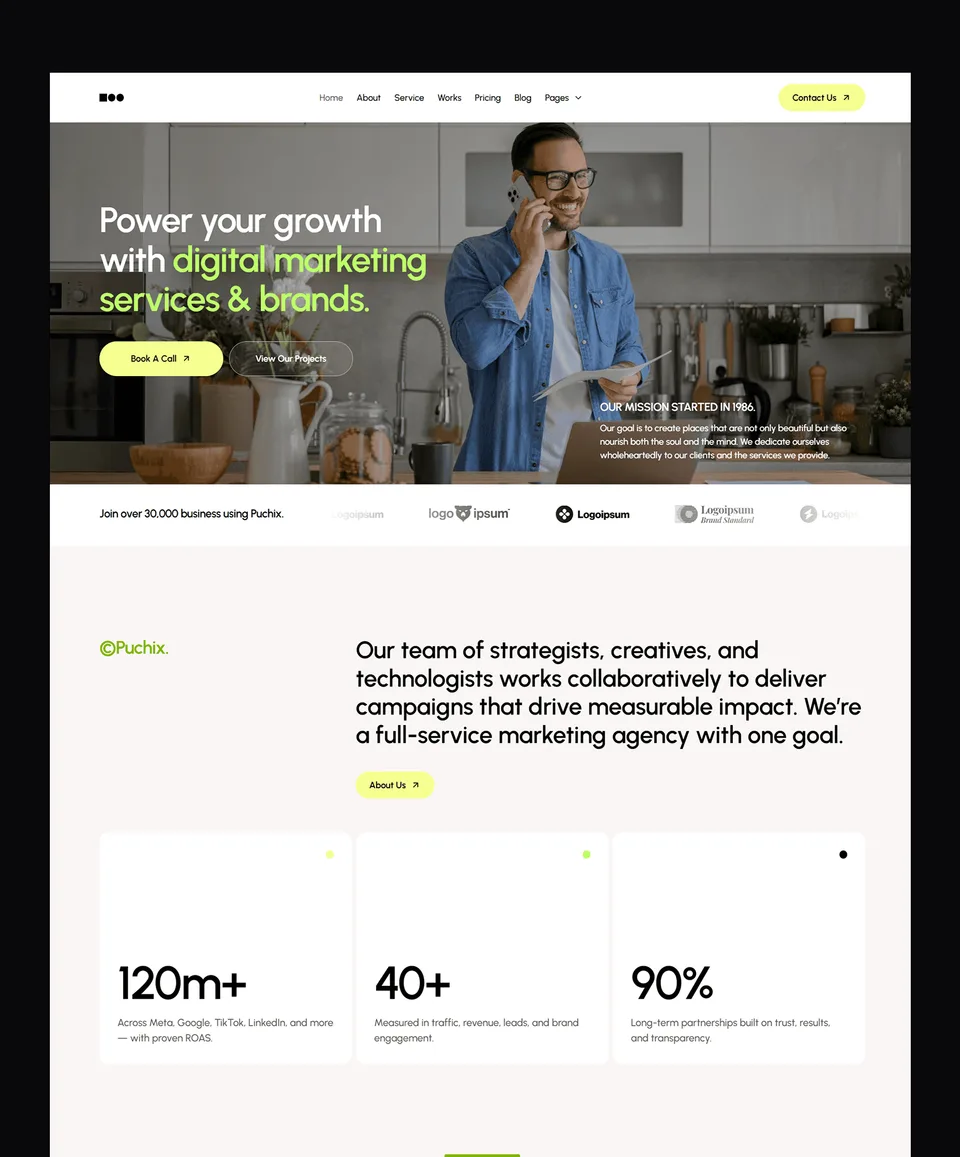
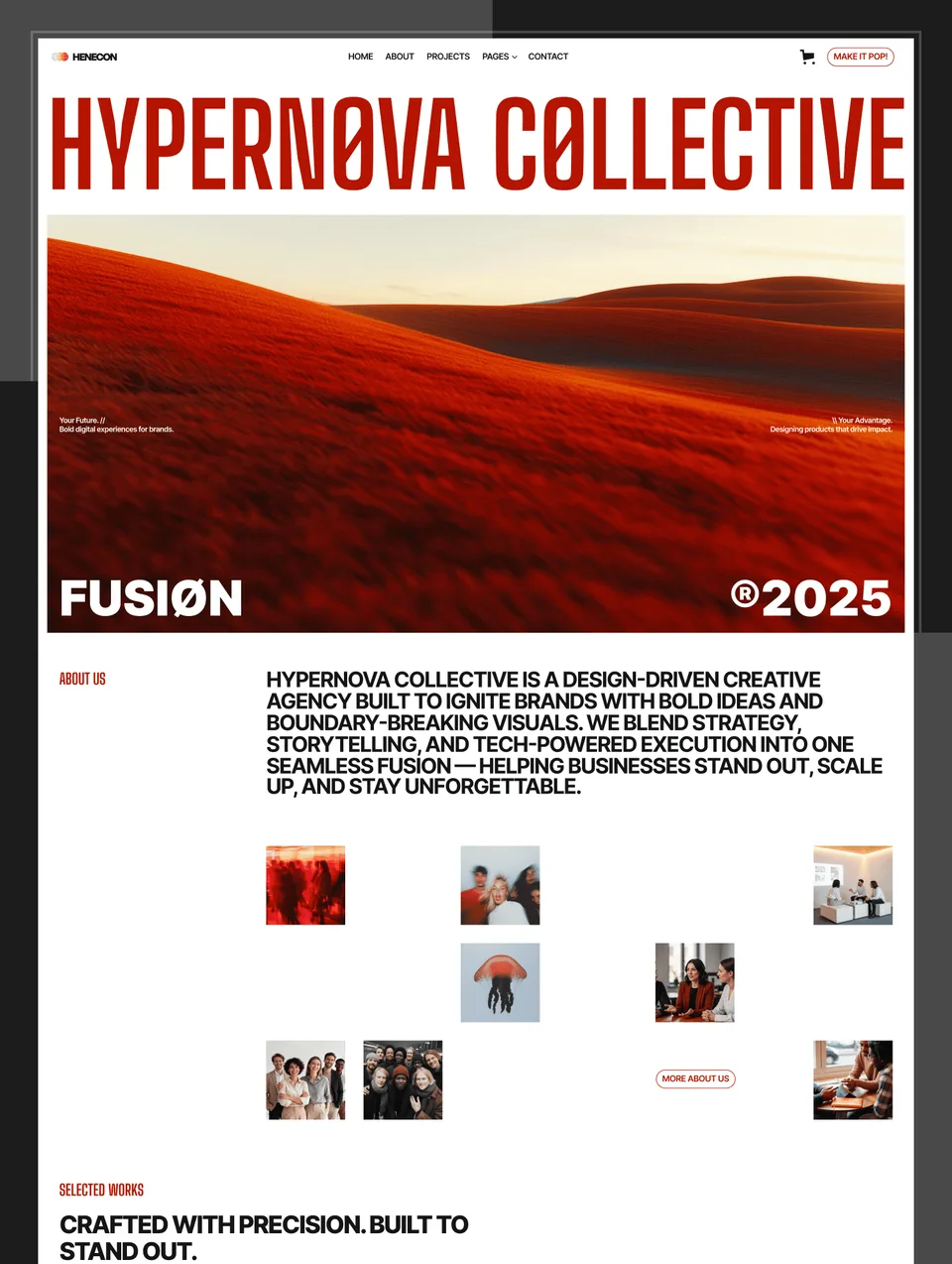
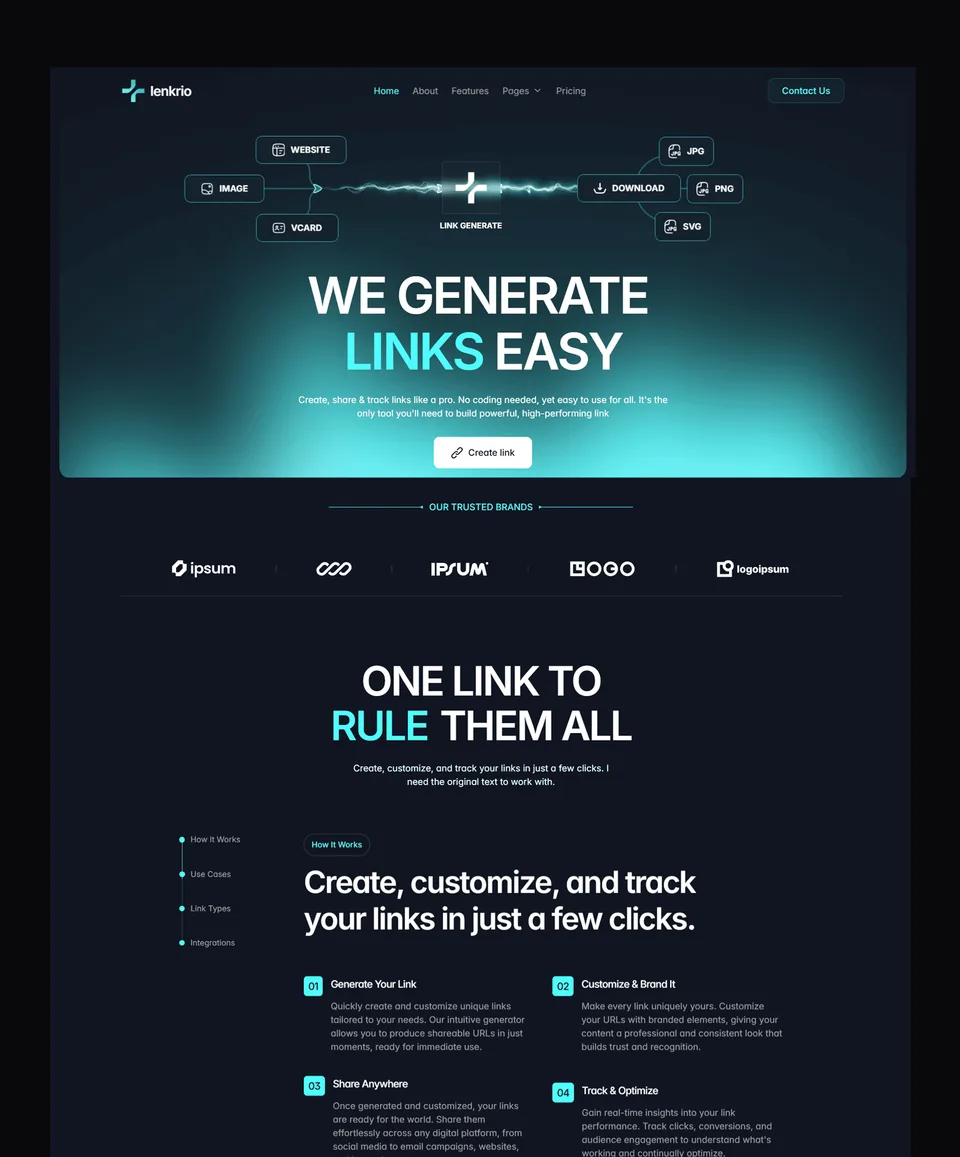
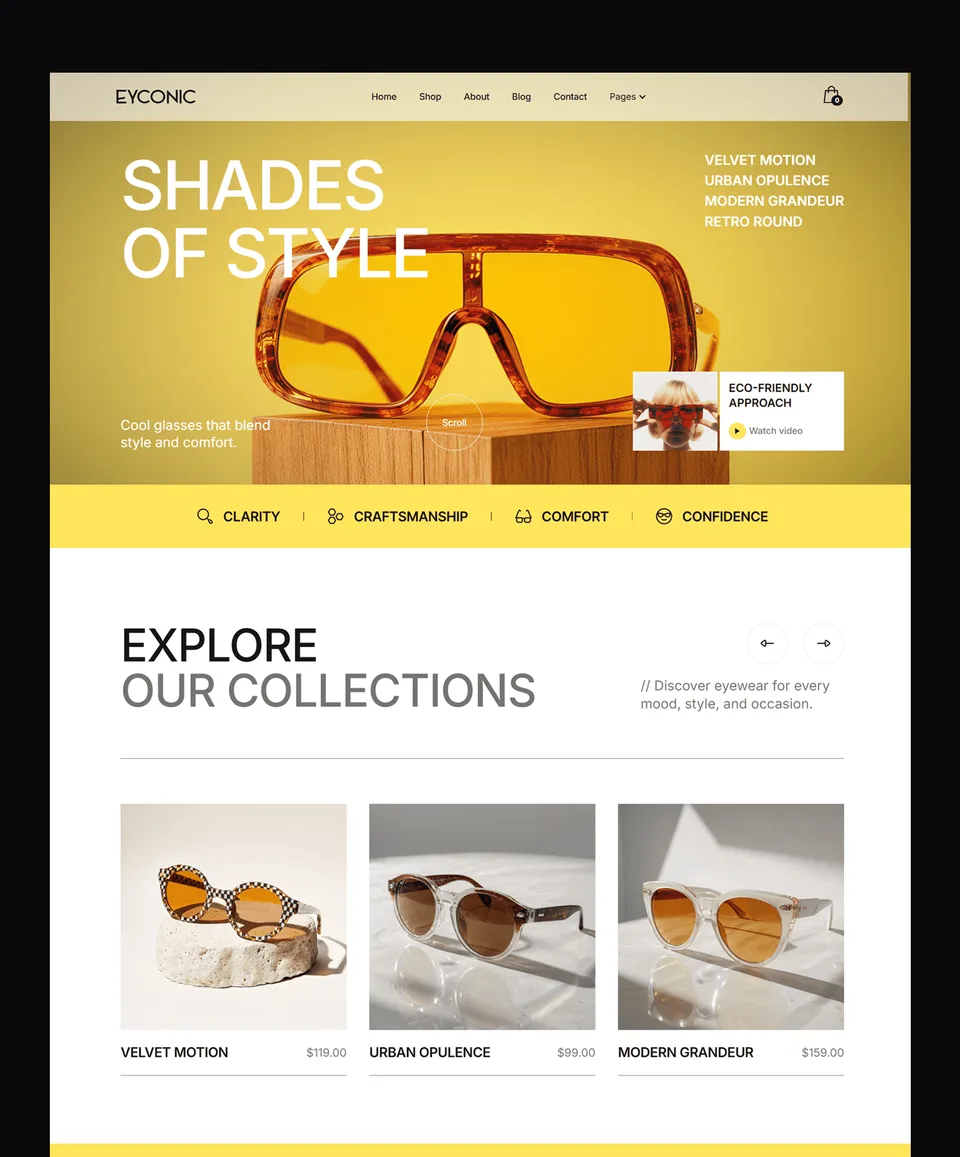
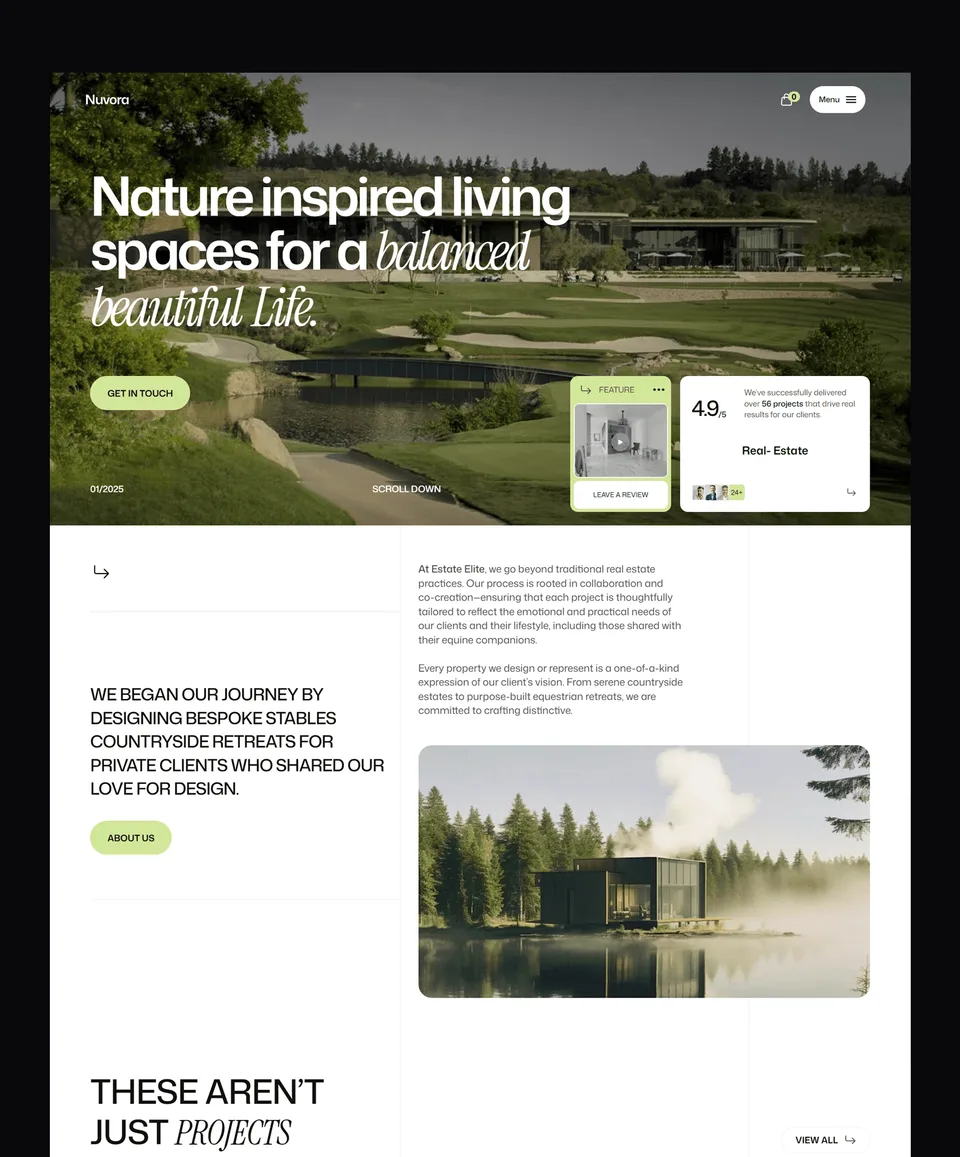
Waida Studio has 41 Astro templates: 2 free and 39 premium from $49 to $49, for business, agency, professional services, portfolio and SaaS sites. Each is licensed for unlimited client projects, with the Figma file behind it sold separately. Every one is also available for Framer, Webflow, HTML and Next.js.






-1-480x360.webp)






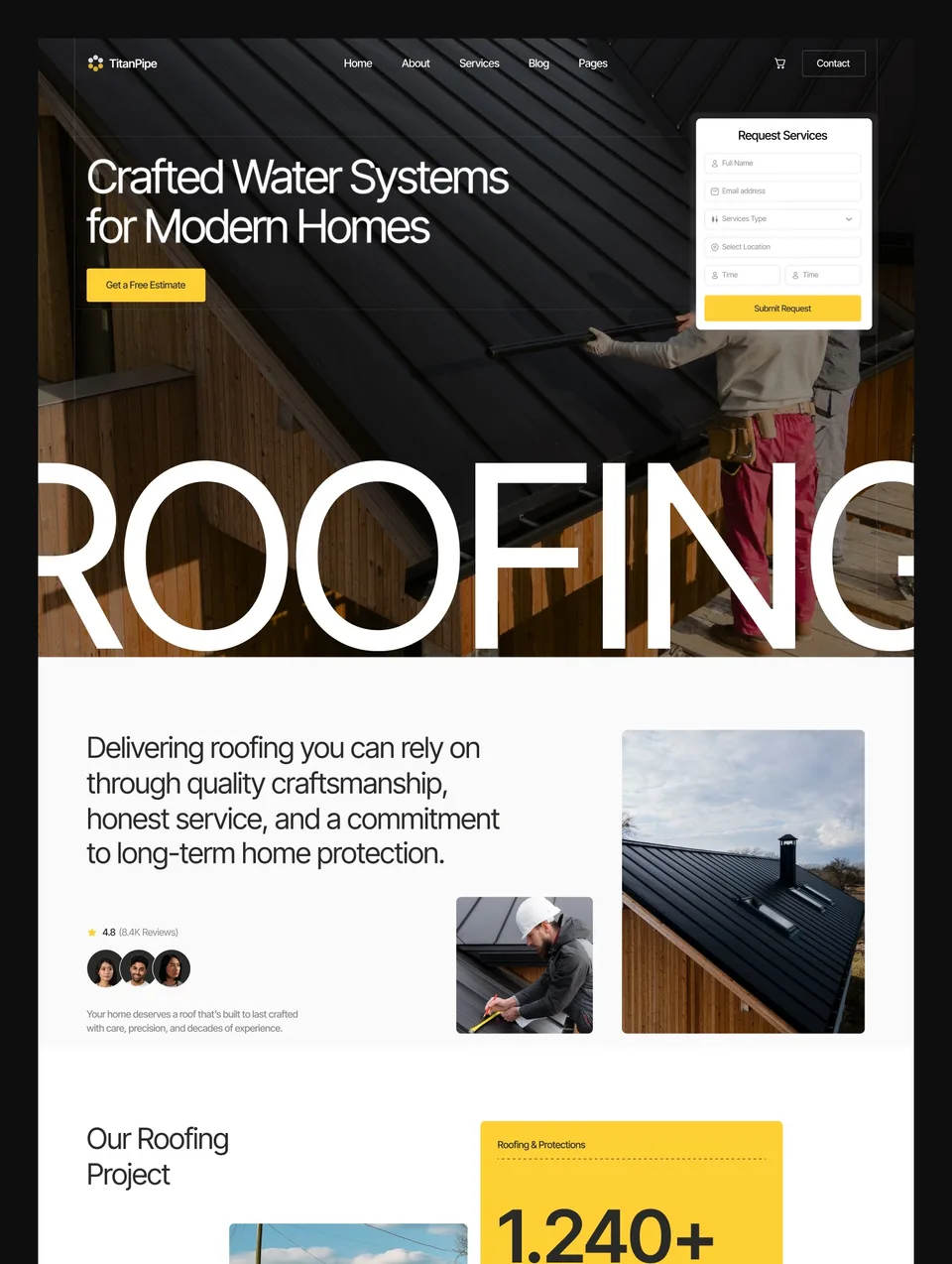

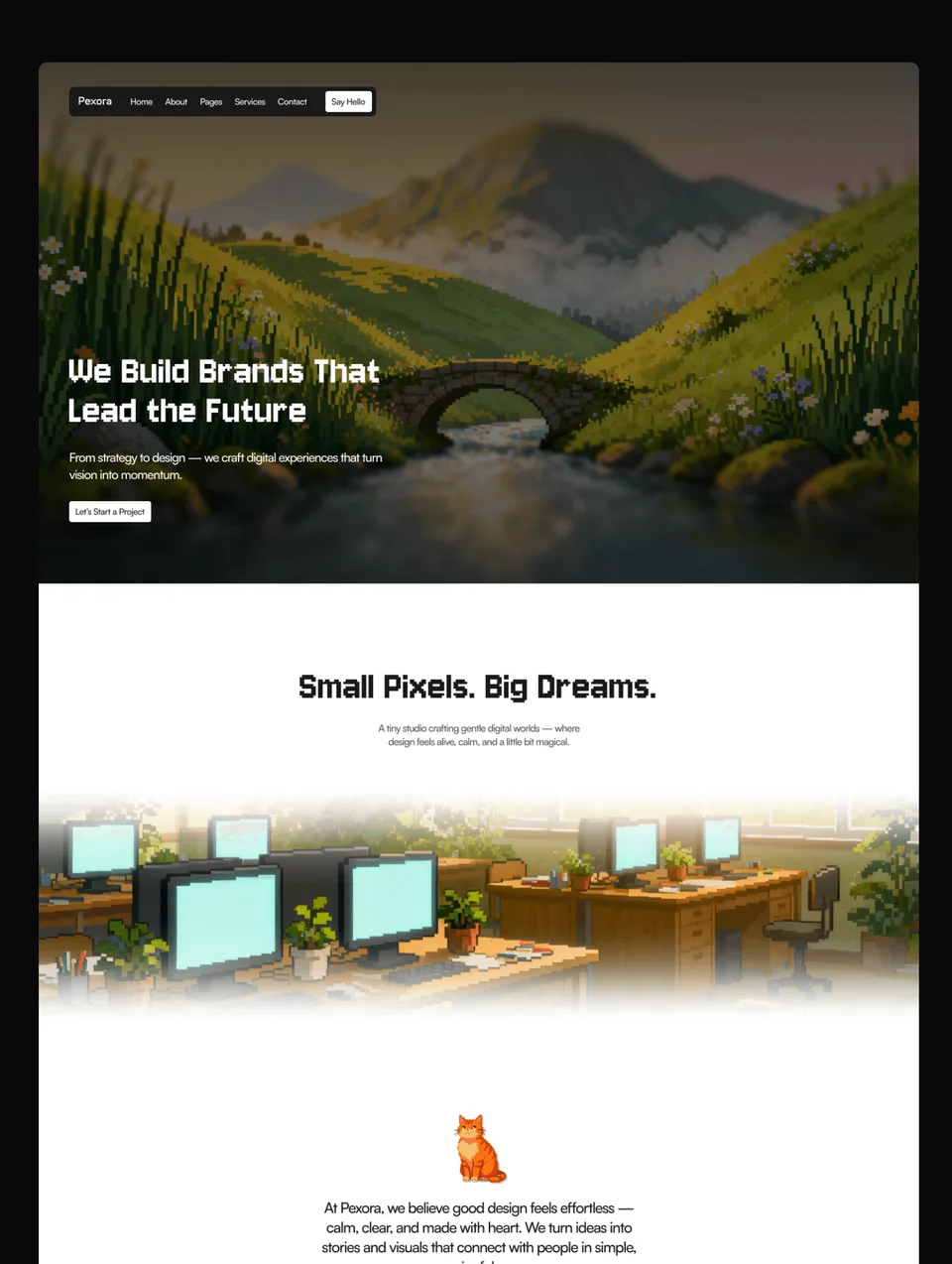

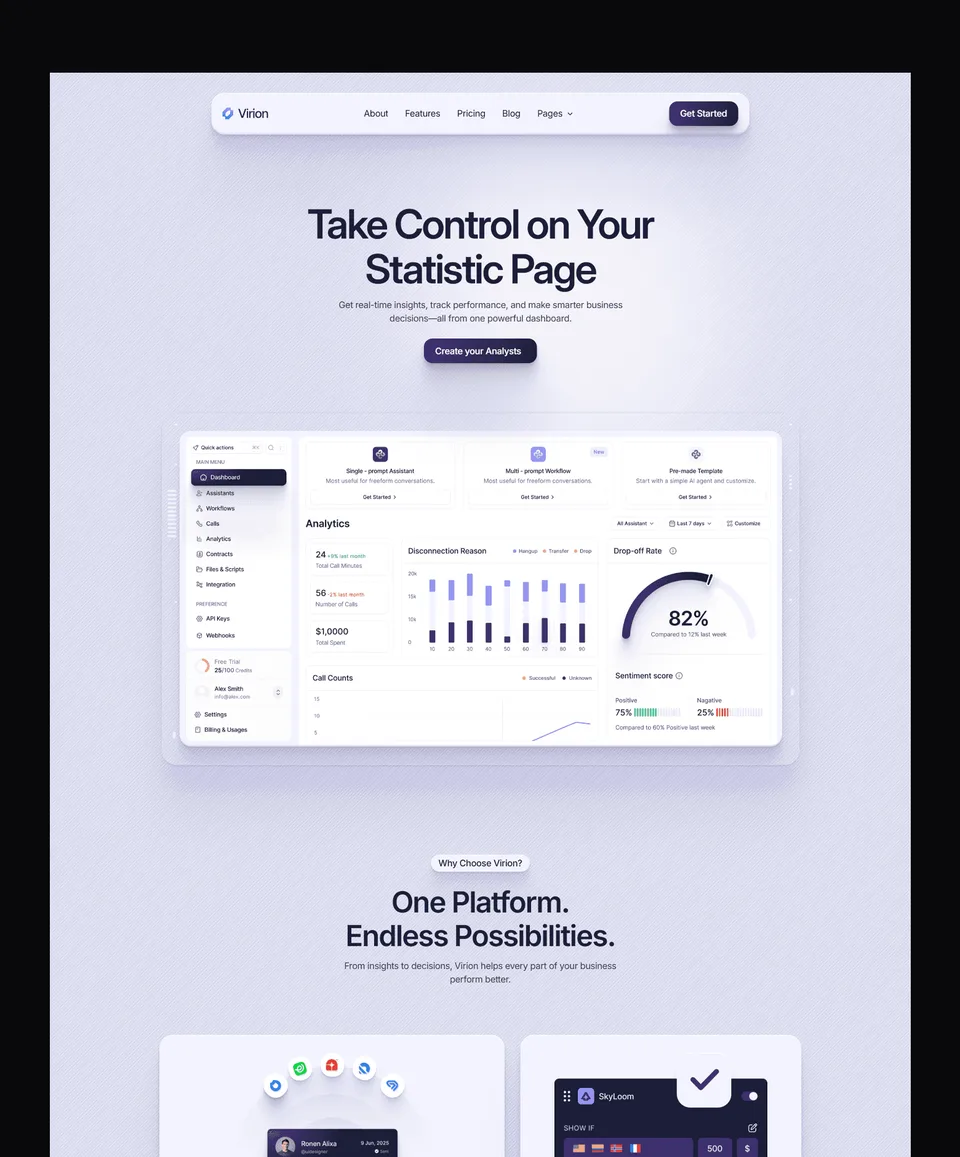

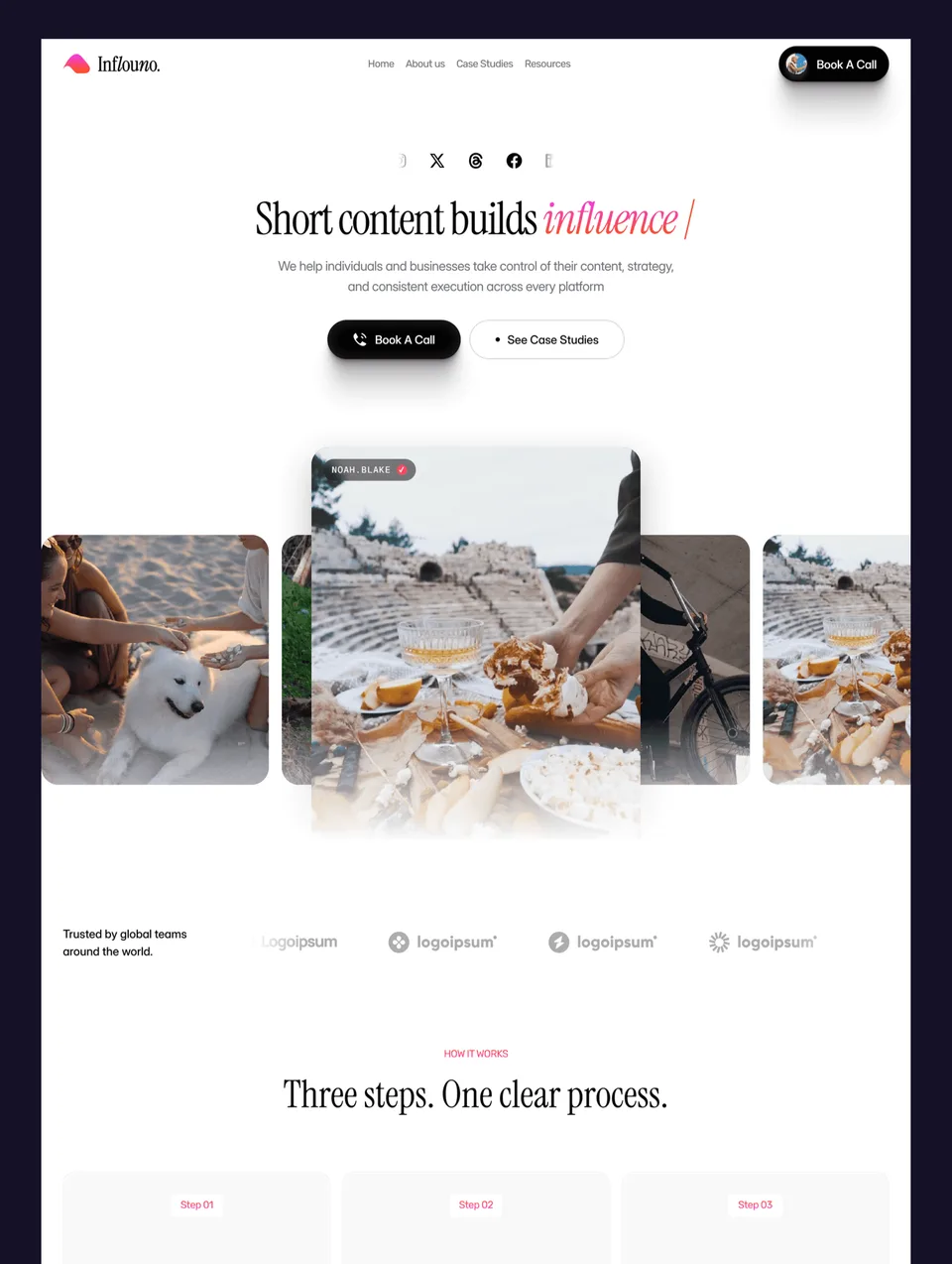

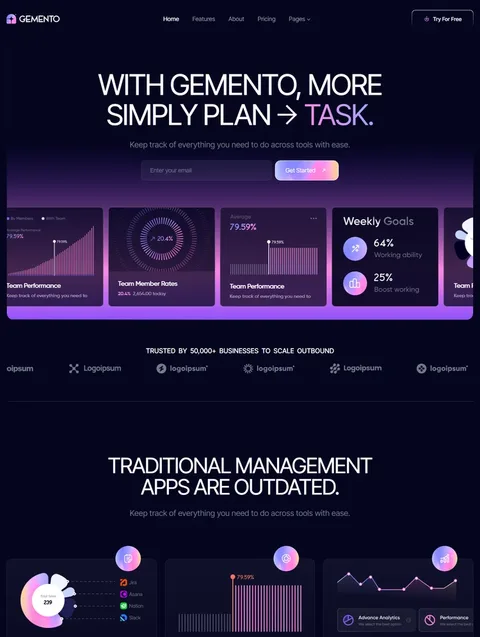

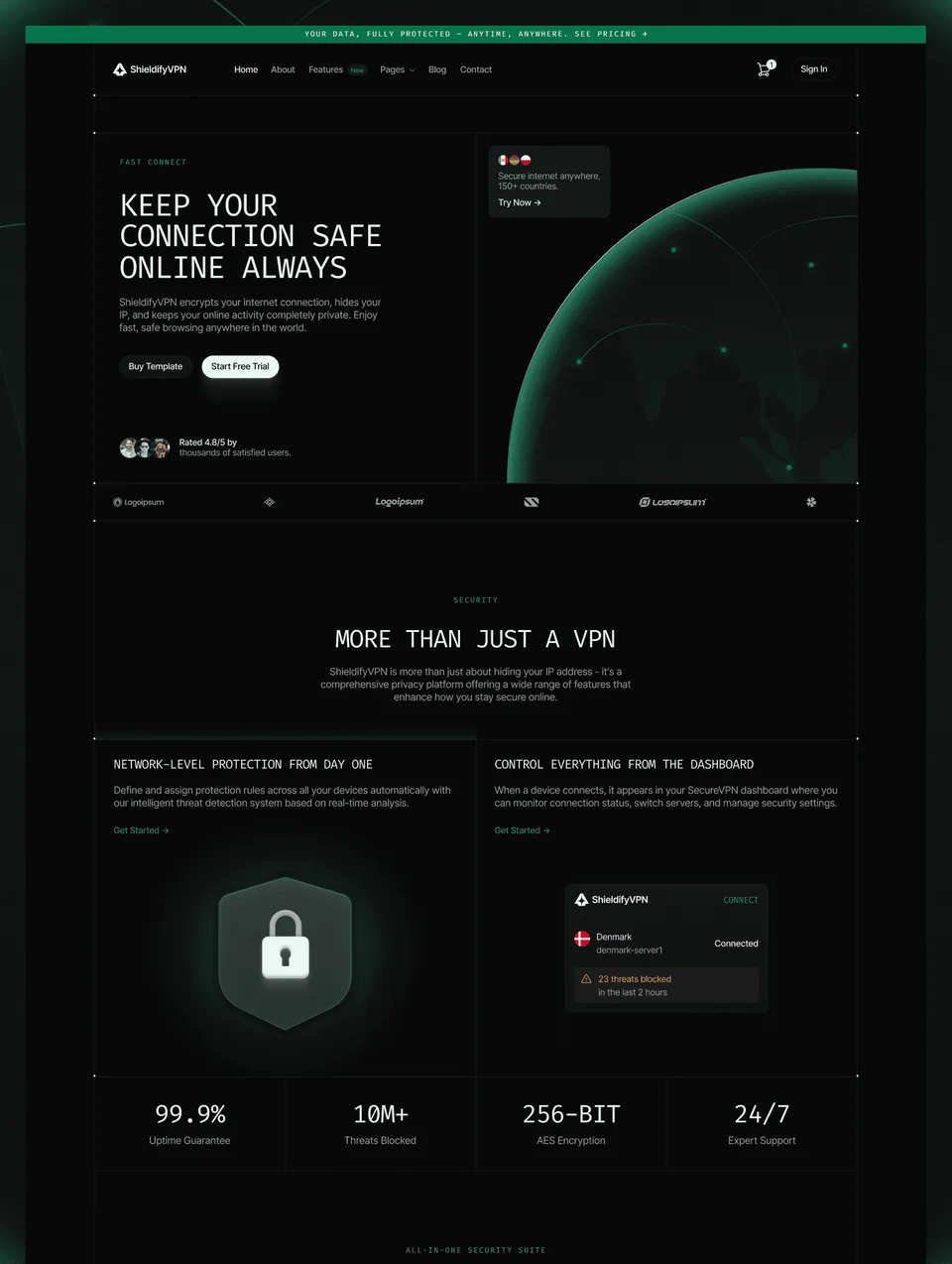



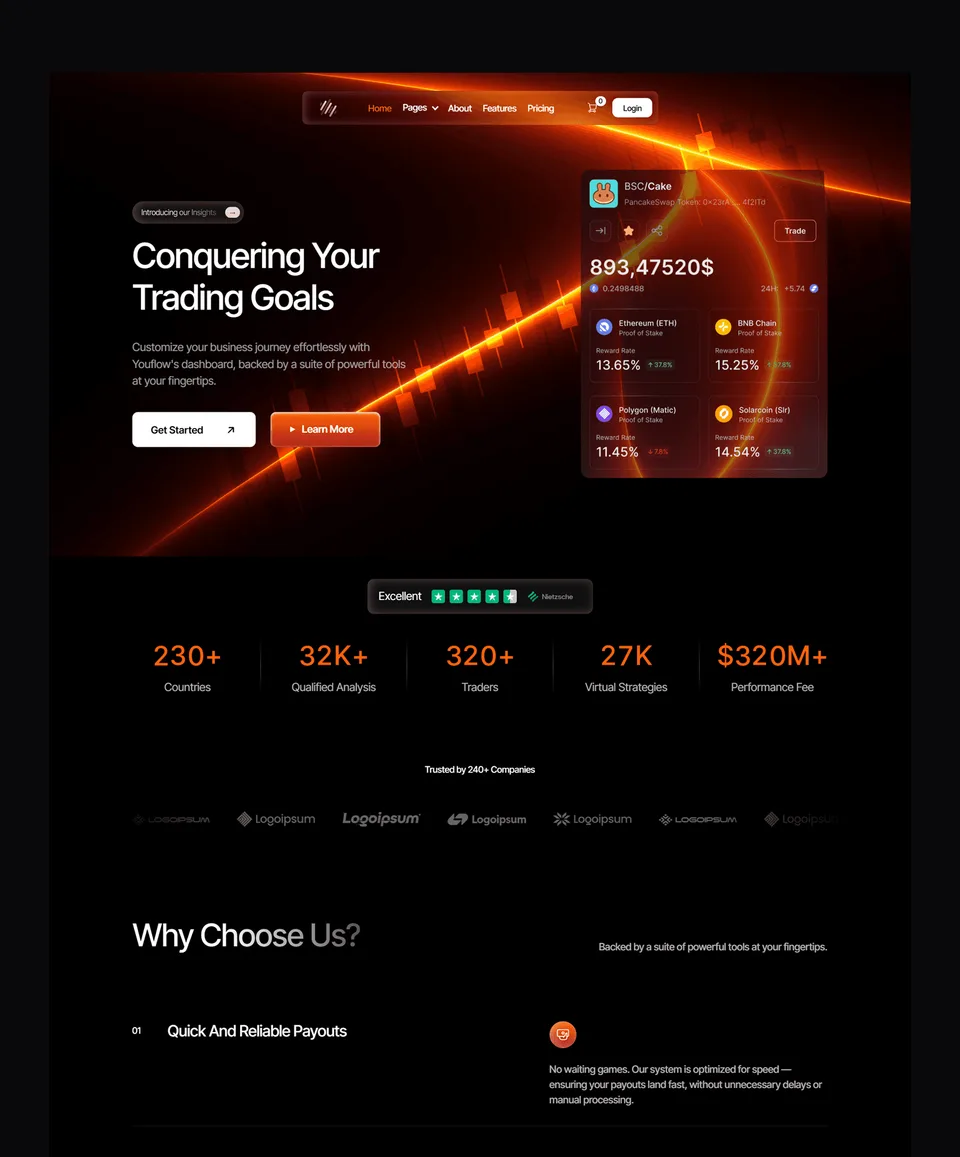

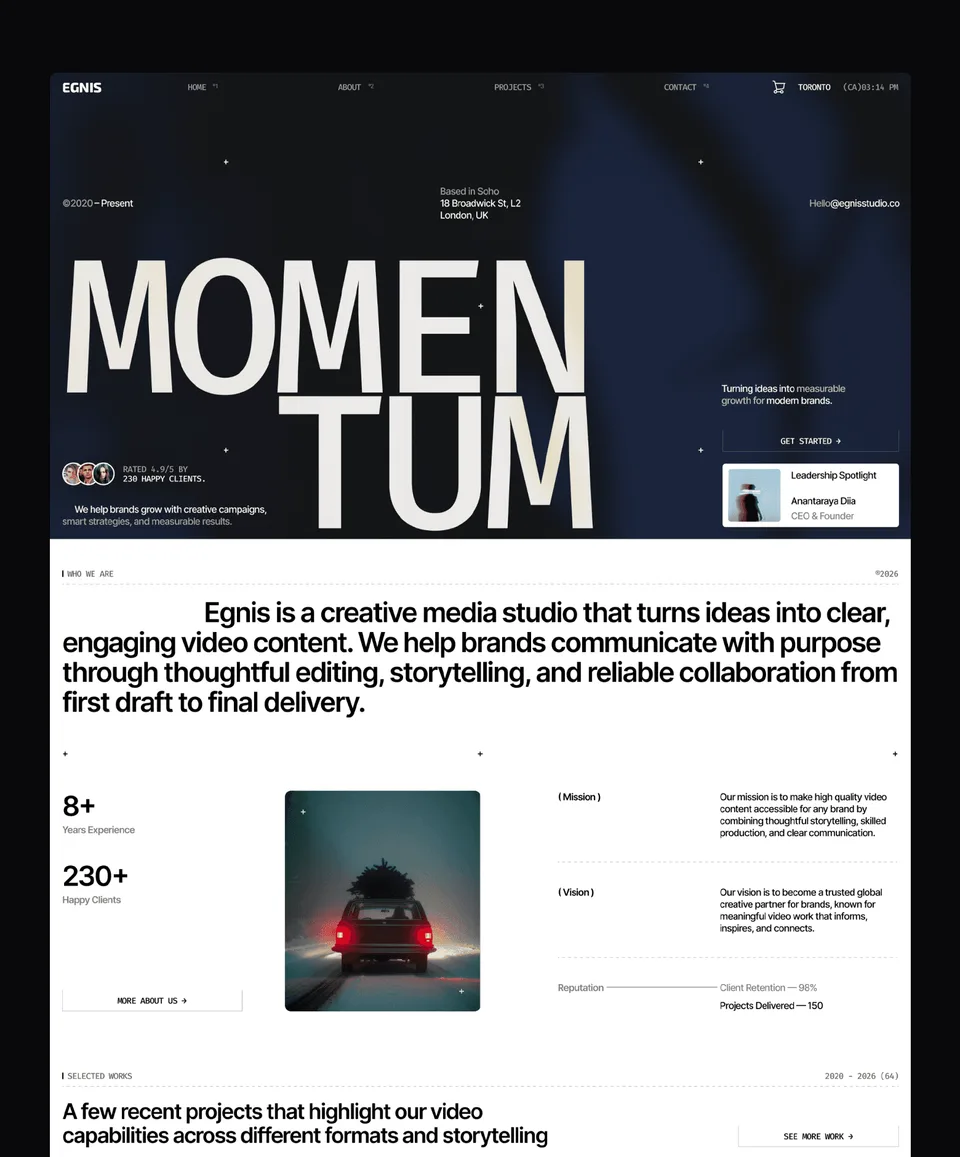





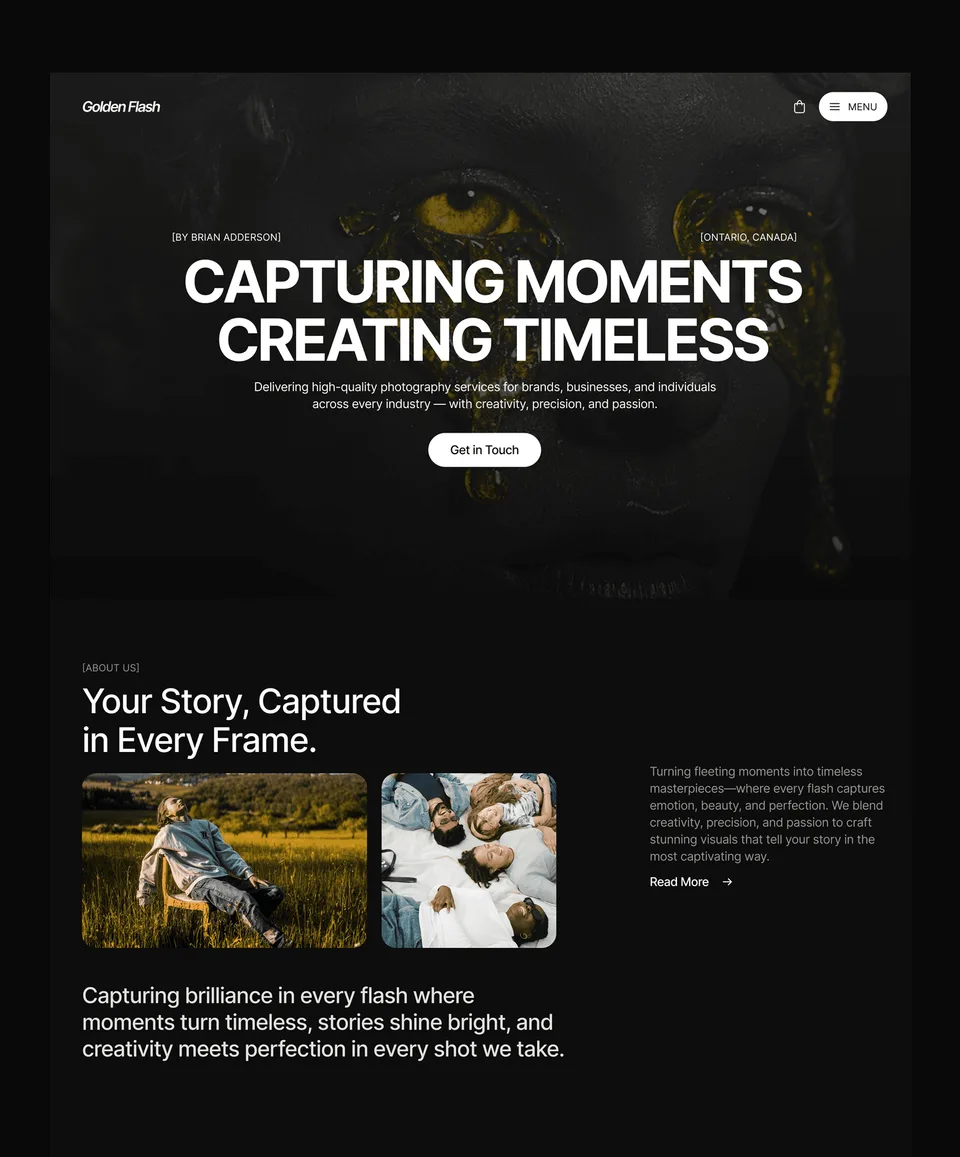

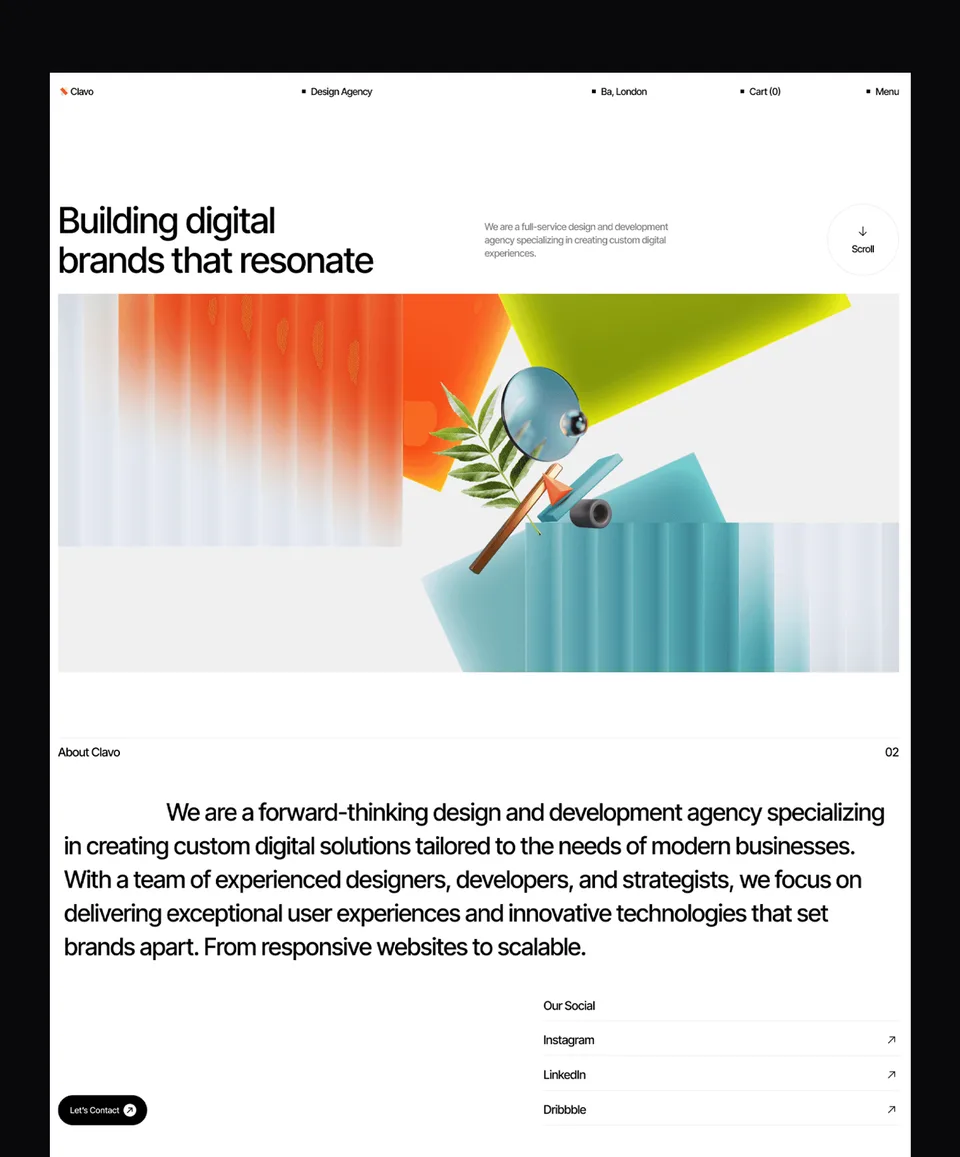

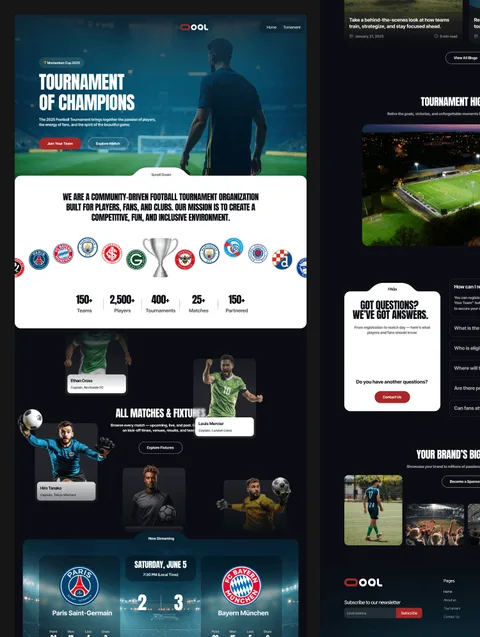

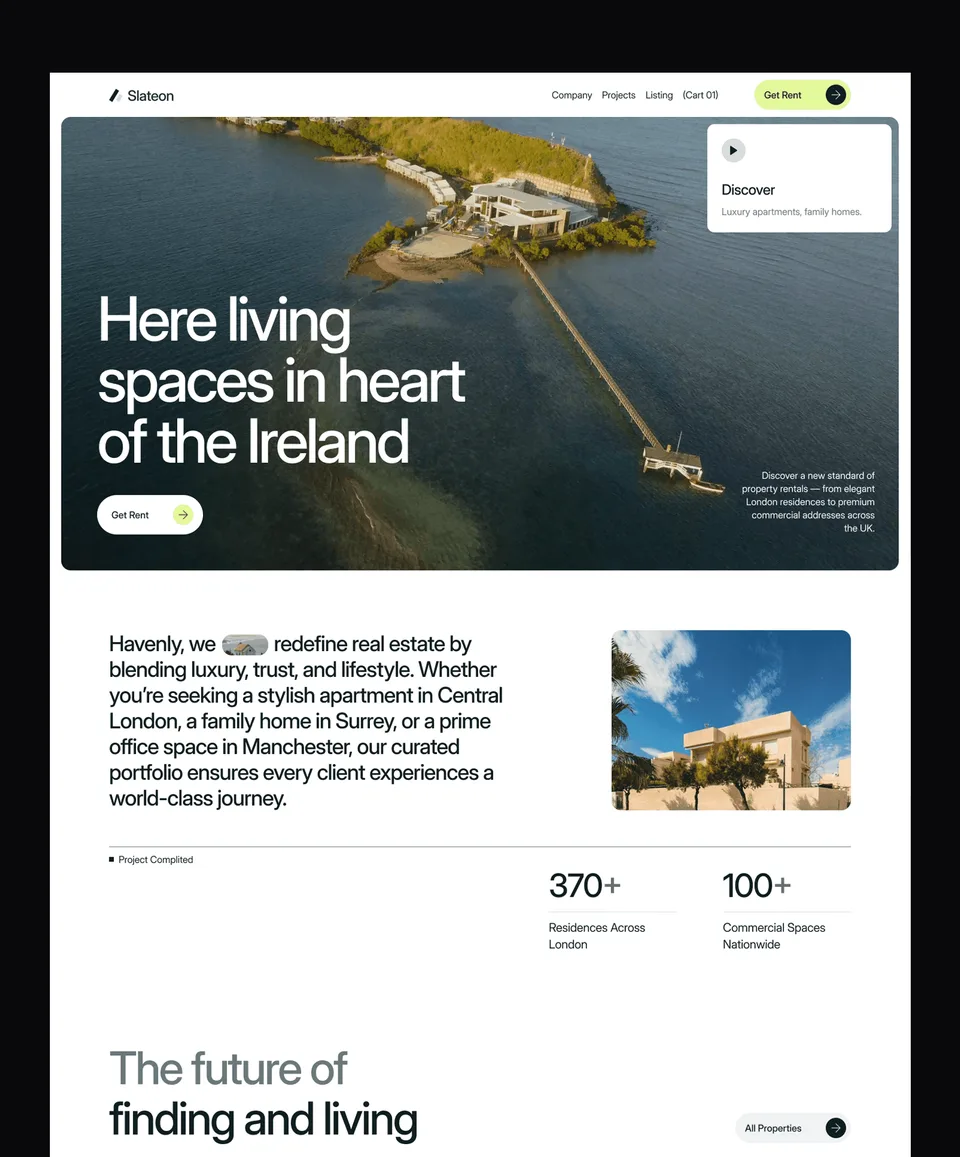

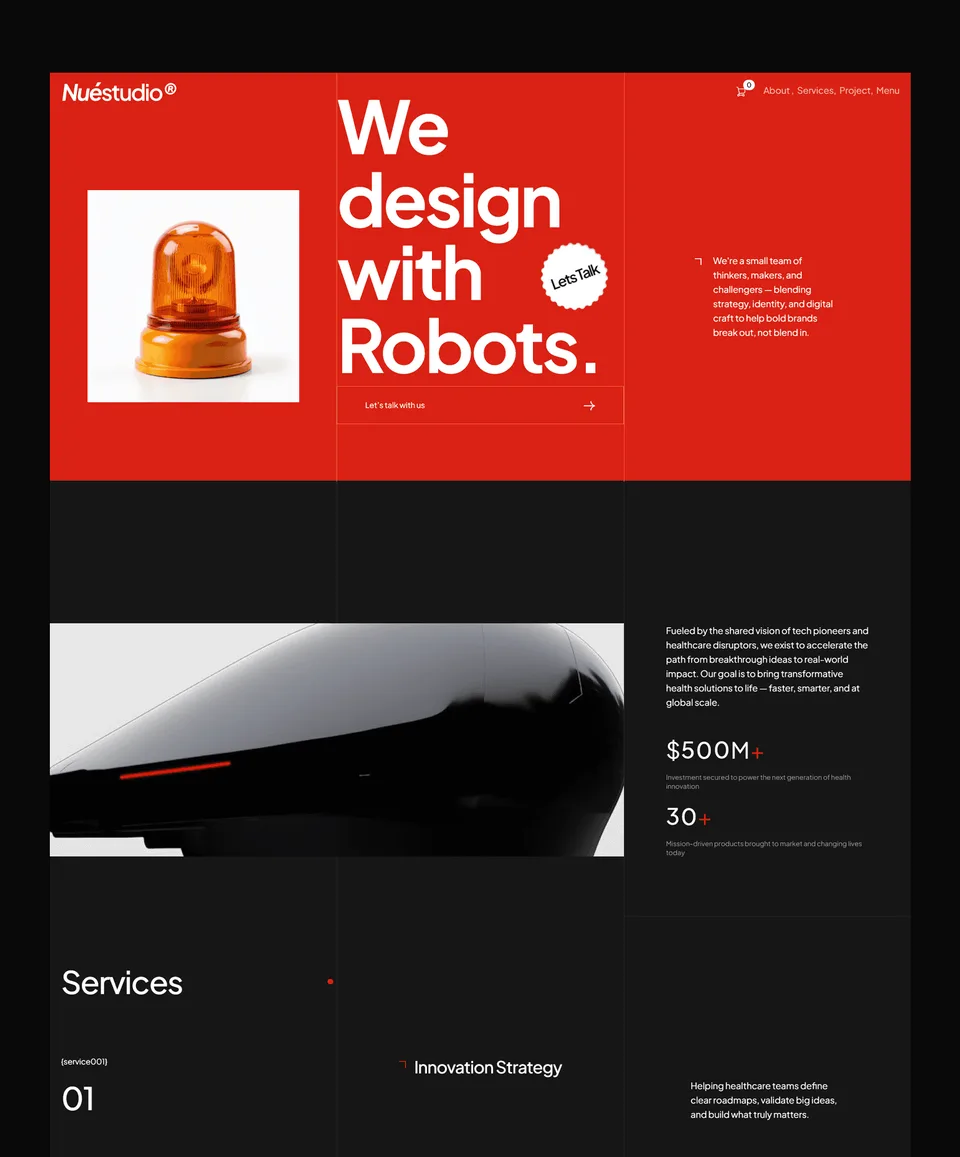

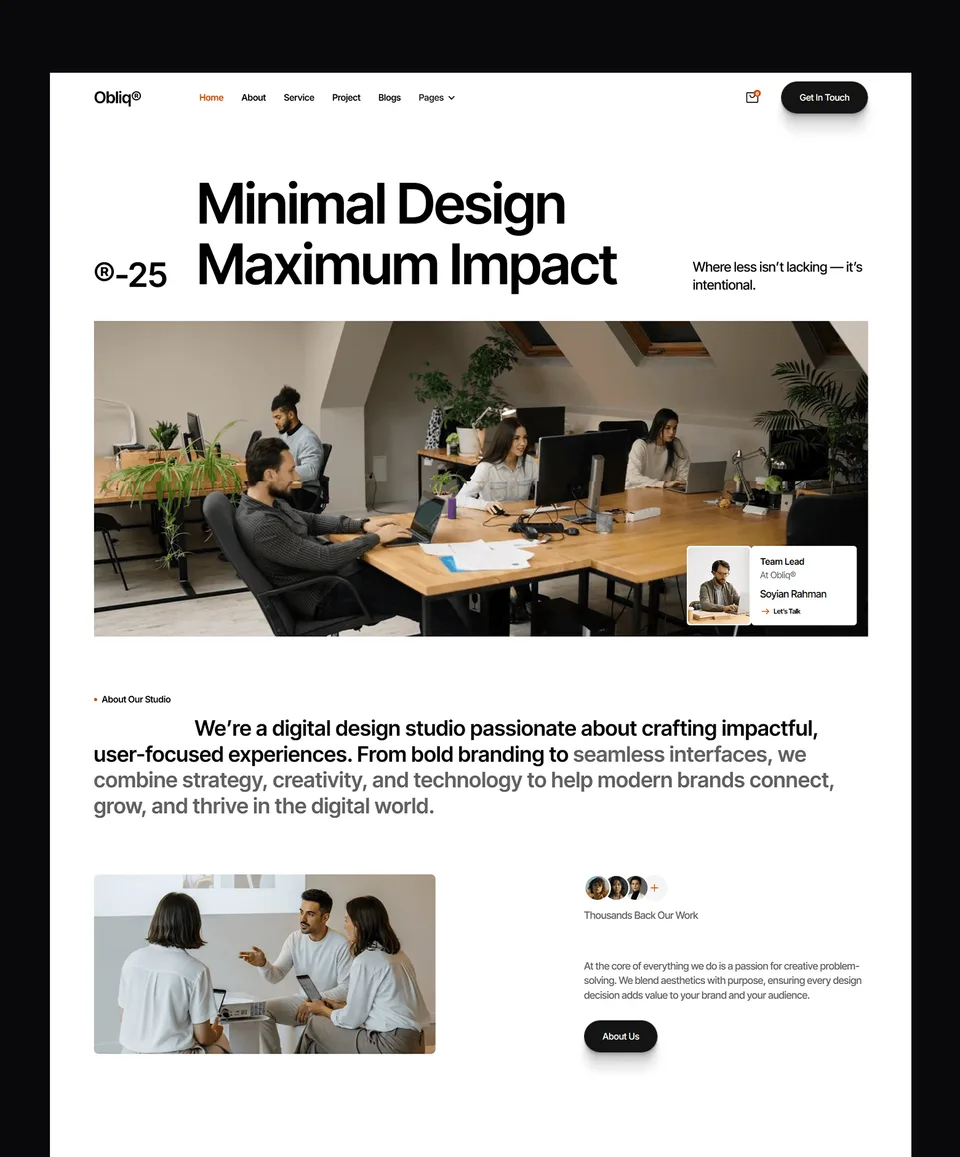

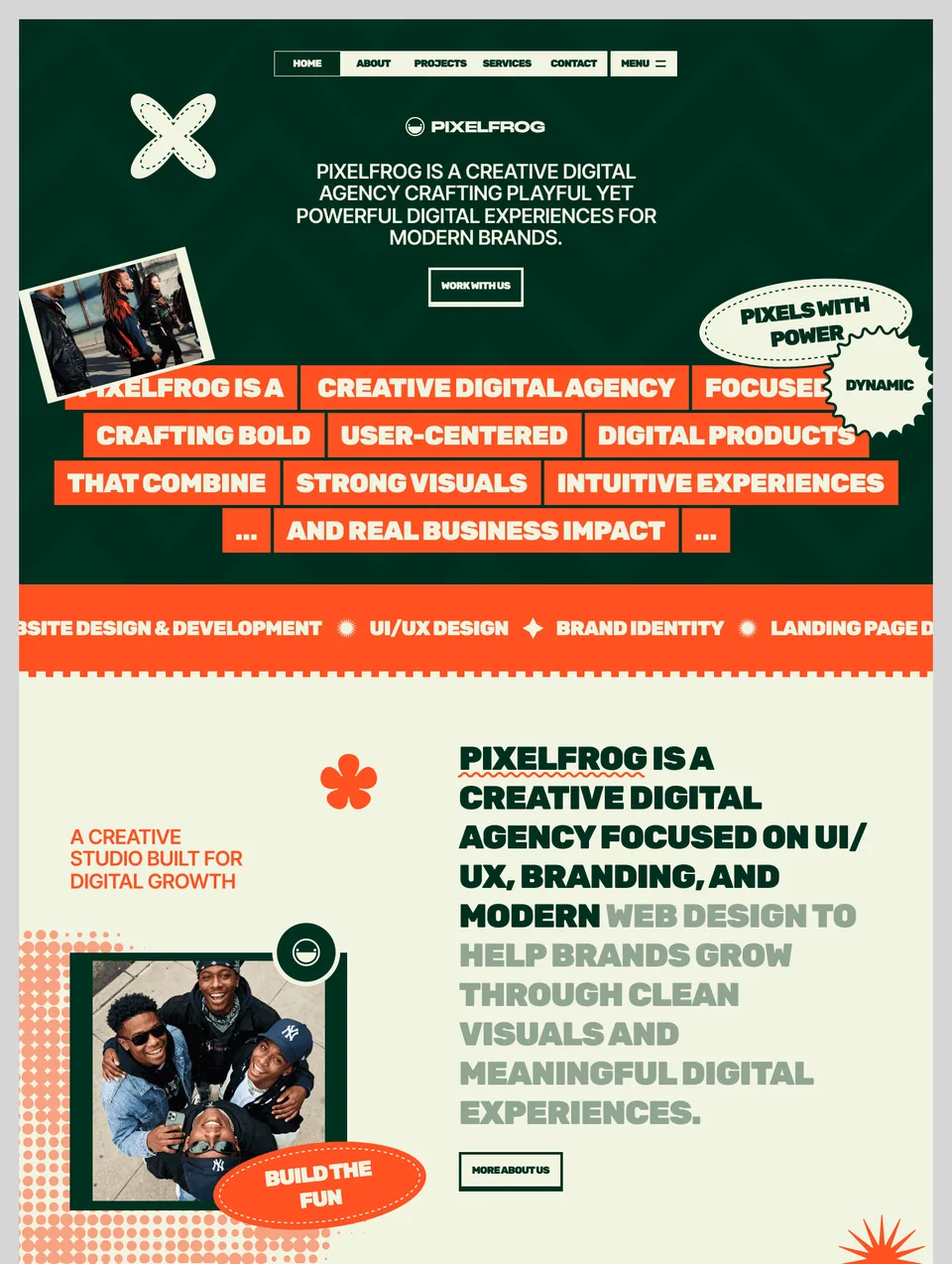

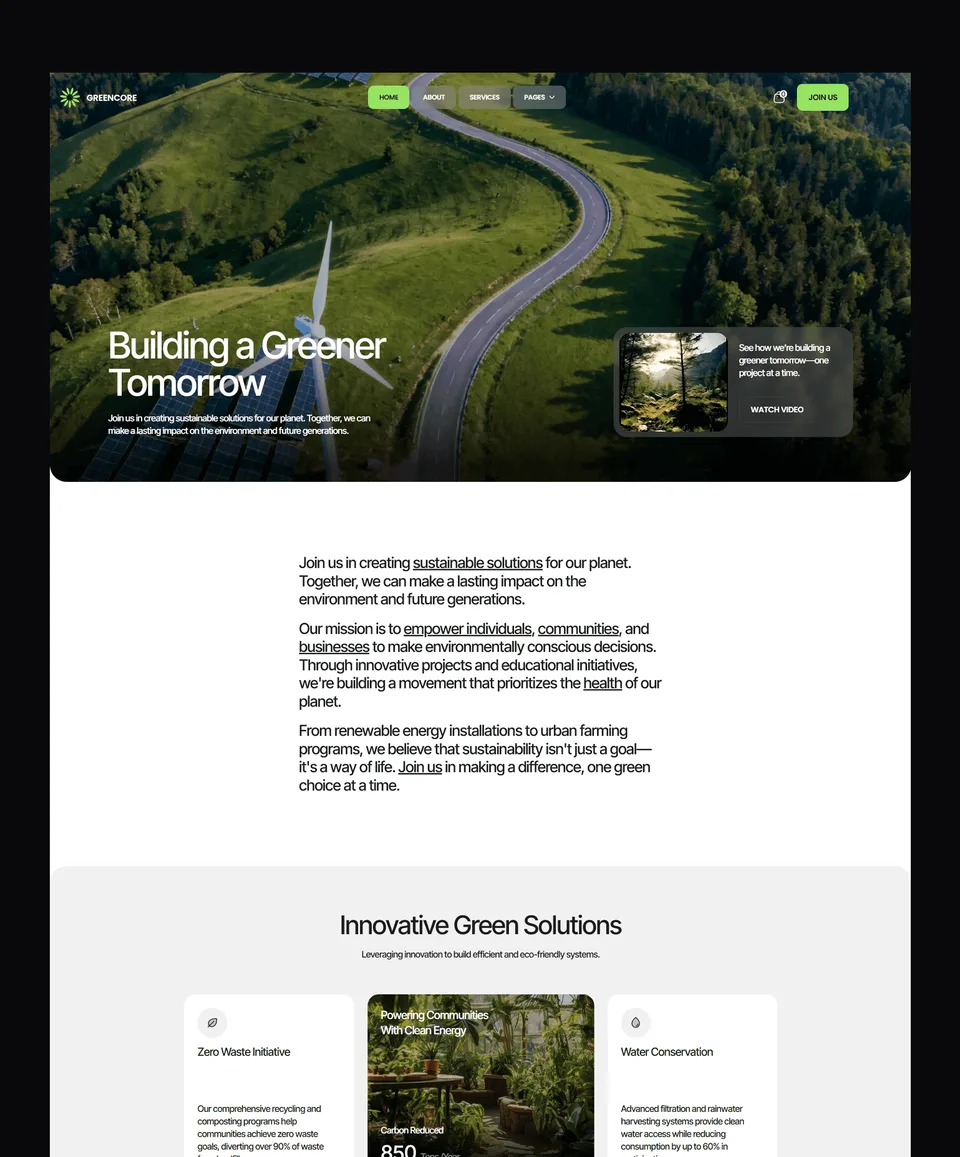

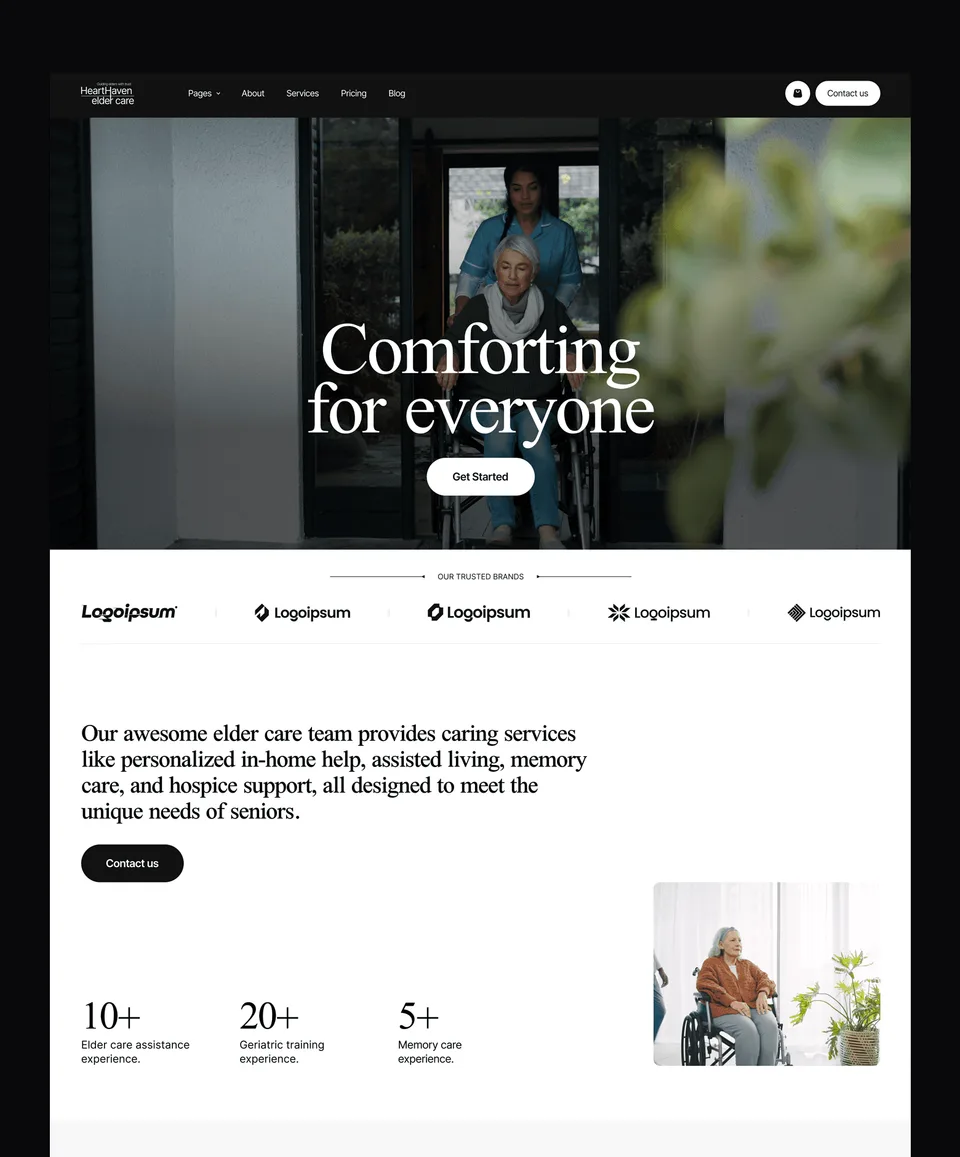

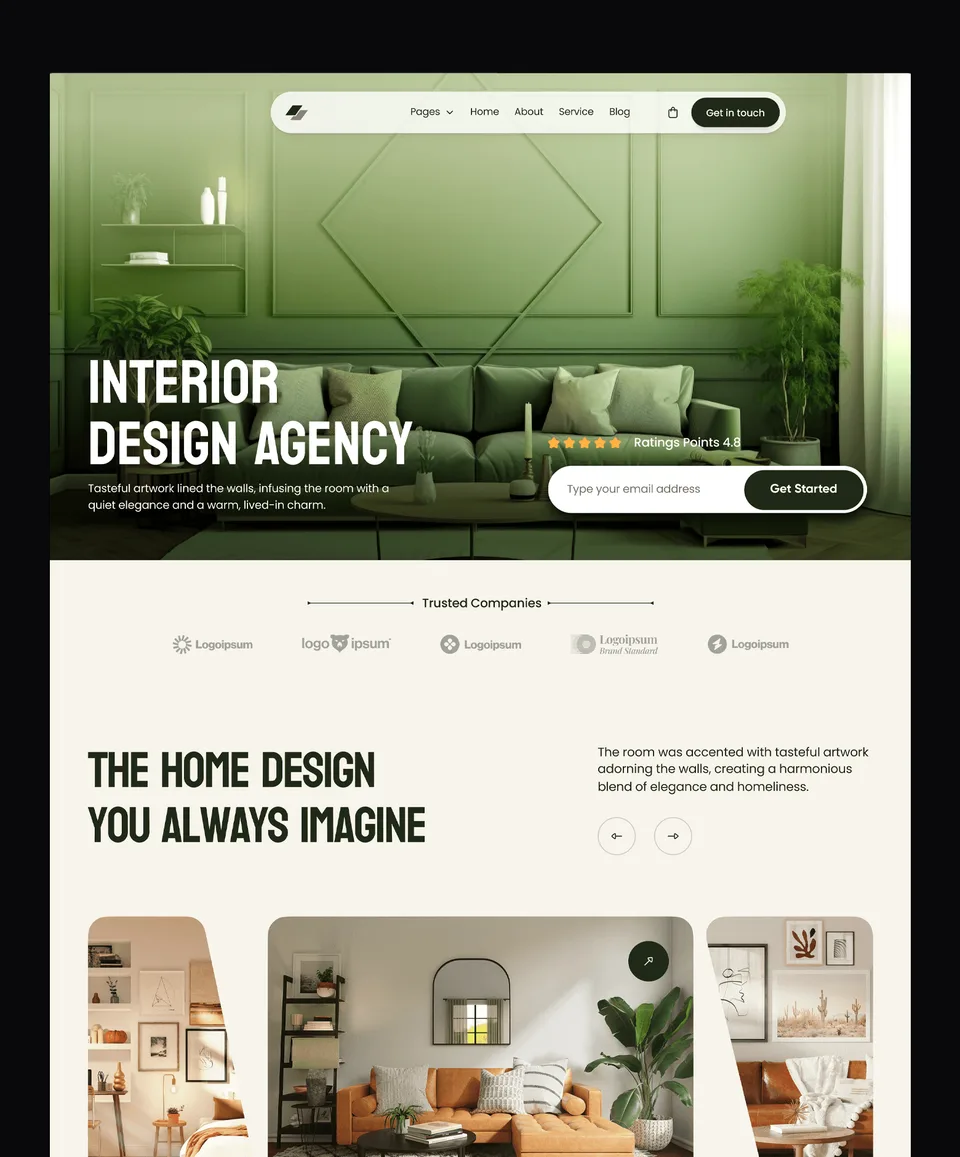

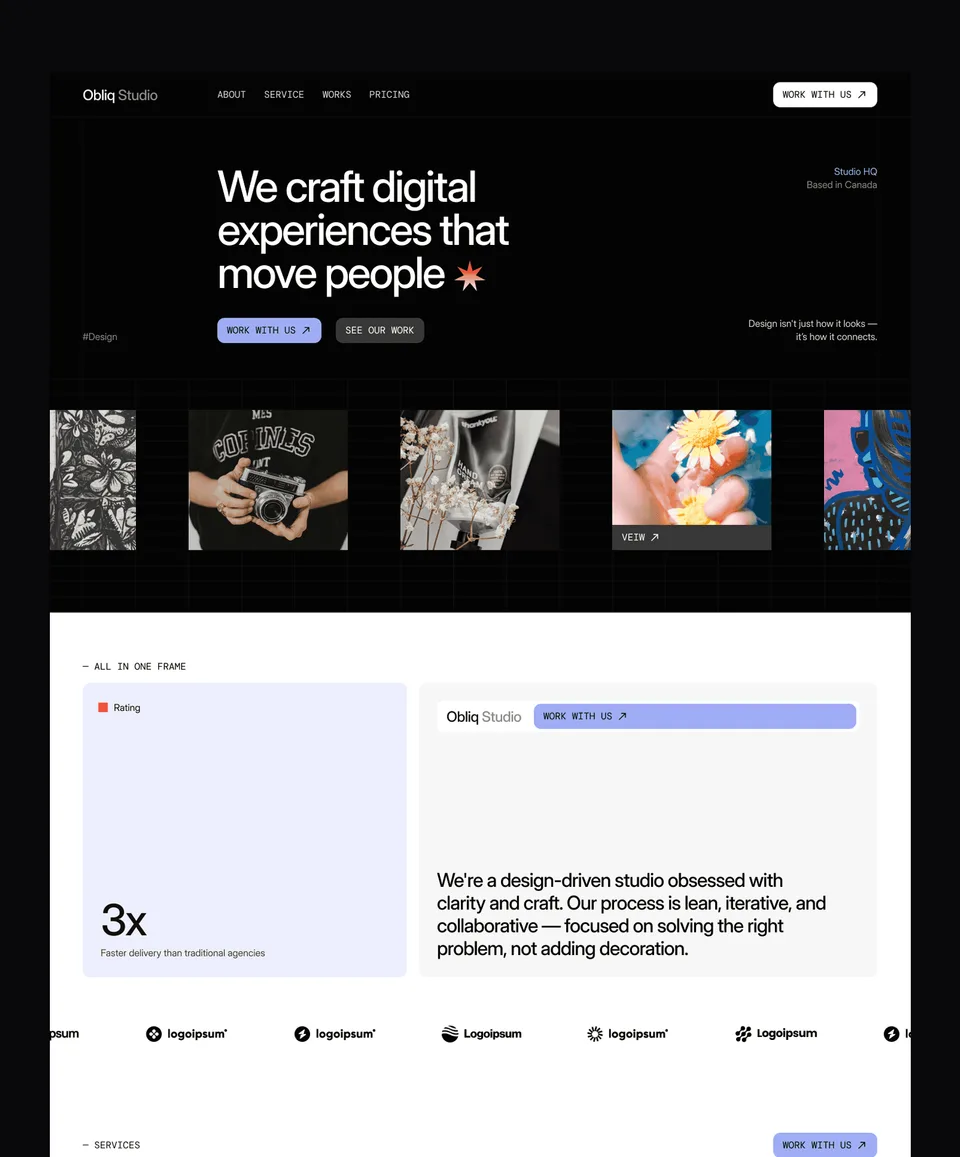

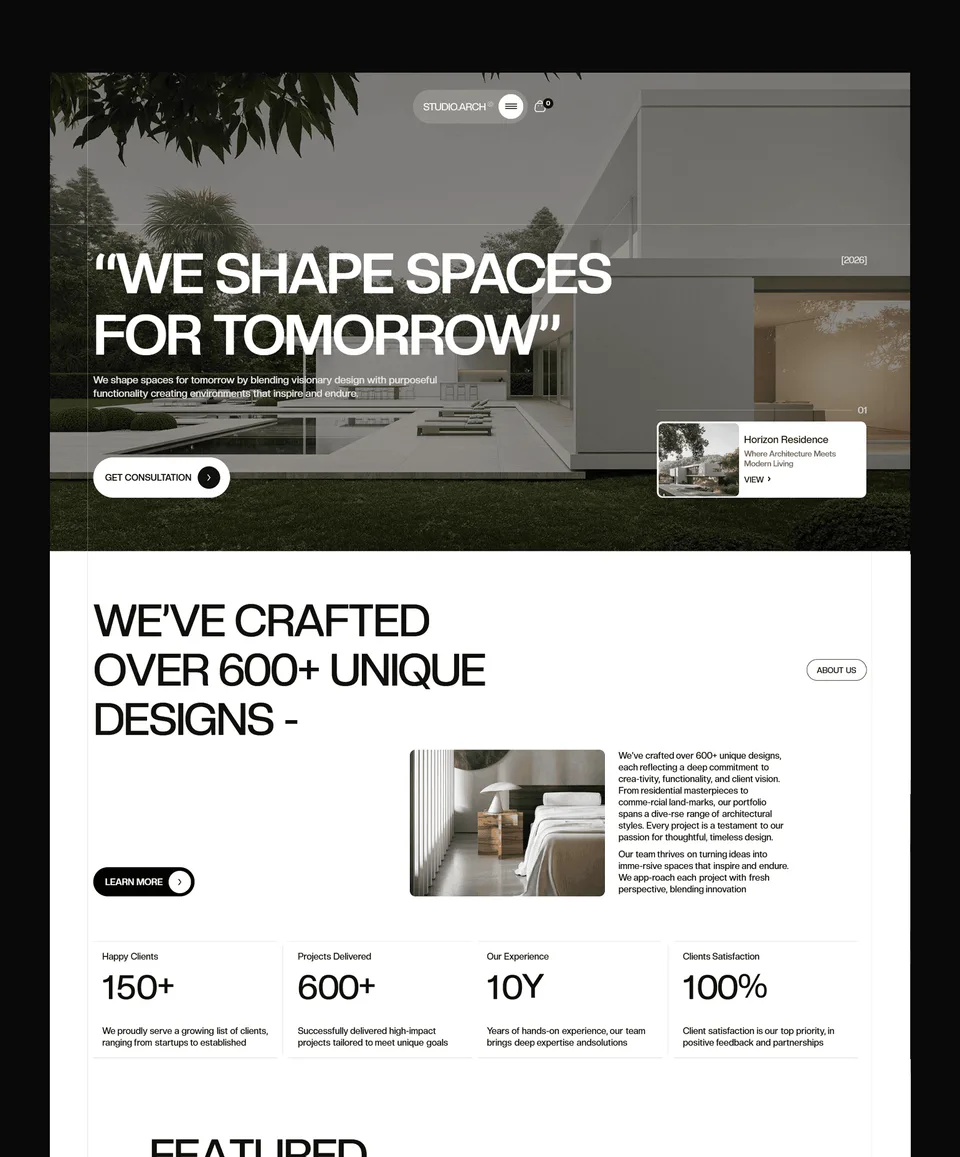





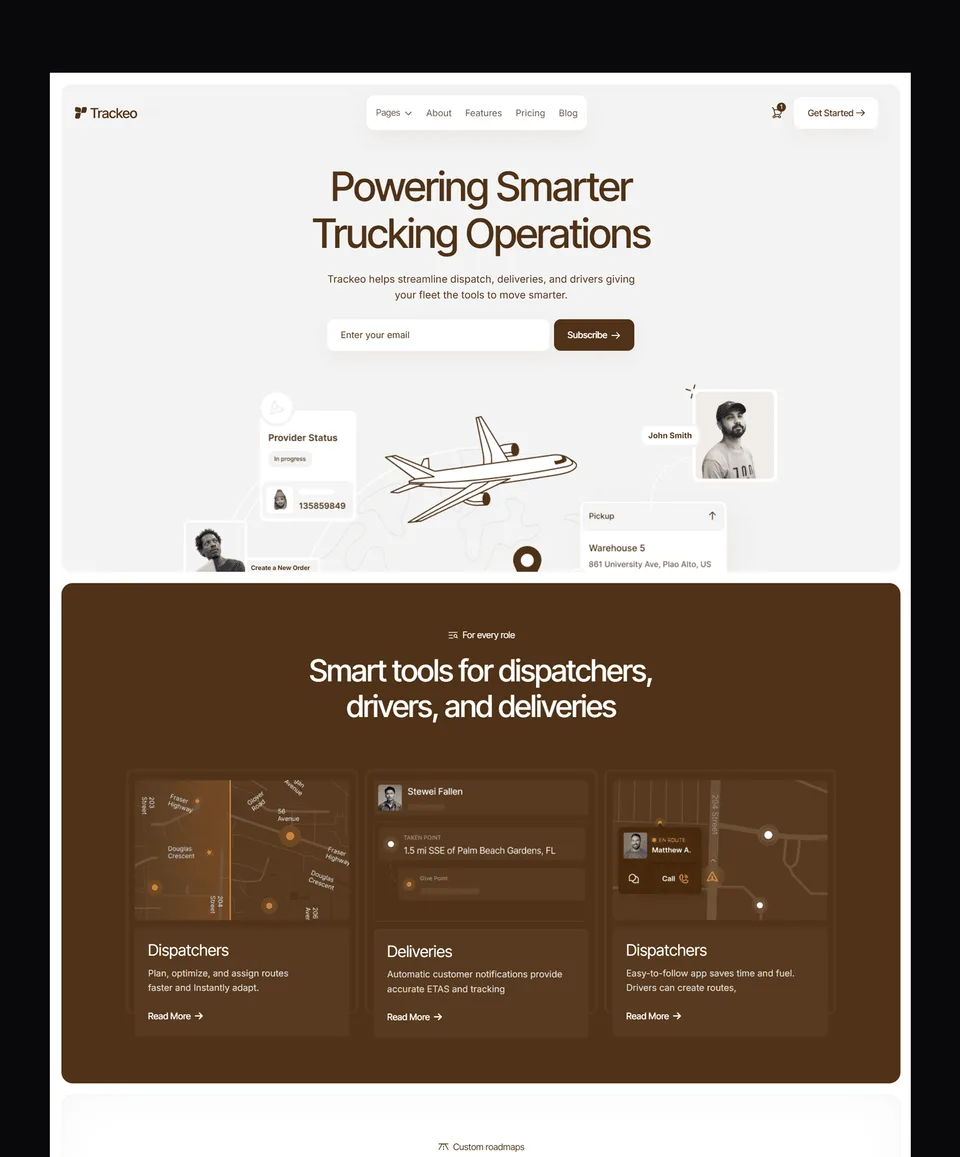

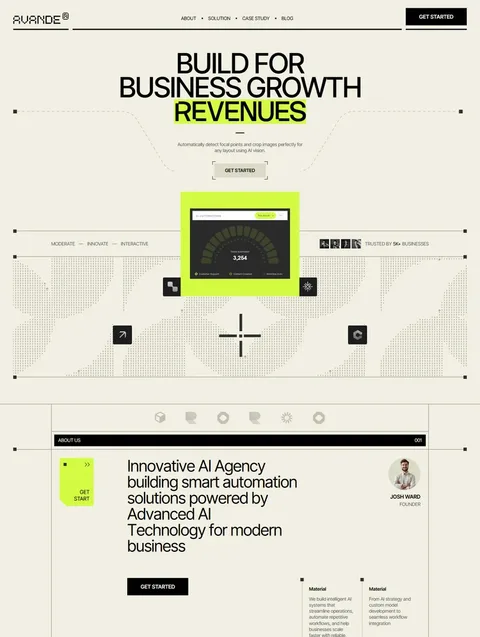

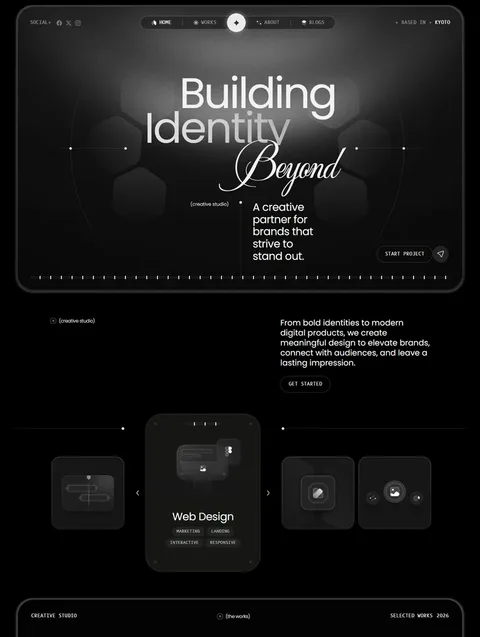

Astro templates at a glance
| Templates | 41 Astro templates, 2 free and 39 premium |
|---|---|
| Price | $49 per template, or $99 once for all 41 in the Astro Bundle, future releases included |
| Licence | One person, unlimited projects, client work included. Reselling the template itself is not allowed. Terms |
| Delivery | A zip download of the Astro project, ready to run and deploy |
| Figma file | Sold separately at $19 per template, or all of them in the Figma Bundle |
| Also on | Framer (36), Webflow (36), HTML (41) and Next.js (41): the same designs, so a site can move platforms without a redesign |
| Updates | Free for templates you own; latest update October 2026 |
| Checkout | Blink, major cards accepted. Free templates need a free account. |
Free Astro templates: Zelda, Medonix. All 2 free Astro templates
One template, the bundle, or a plan
| Option | Price | What you get |
|---|---|---|
| One template | $49 | That template on Astro, licensed for unlimited projects |
| Astro Bundle | $99 once | All 41 Astro templates, plus every future Astro release |
| Pro | $12/month billed yearly, or $299 lifetime | Unlimited sections and a template credit every quarter, on any platform |
| Ultra | $36/month billed yearly, or $699 lifetime | Unlimited sections, a credit every month, three seats; lifetime unlocks every template on every platform |
What you get
Each Astro template ships as a working Astro project: content collections with typed schemas, layouts and components in .astro files, Tailwind for styling, and islands only where something genuinely needs to be interactive. The rest is static HTML by the time it reaches a browser, which is the entire point of the framework.
The full page set is included and routed — home, about, services or work, a blog built on content collections, contact — plus a styled 404 and a style guide page. Frontmatter is schema-validated, so a typo in a post's metadata fails the build instead of the page.
Why Astro rather than a React framework
Astro sends no JavaScript unless you ask for it. A marketing site built here ships a fraction of the payload an equivalent React app does, which shows up directly in Core Web Vitals — and increasingly in whether the site is pleasant on a mid-range phone on a slow connection.
The trade is interactivity. If your site is mostly content with a few interactive corners, Astro is the better tool and it is not close. If it is an application with authentication and dashboards, the Next.js versions of these designs will fight you less.
Content collections do the boring work
Blog posts, case studies and team members live in content collections with a schema you define once. Astro validates every entry against it at build time and gives you typed data in the templates, so renaming a field surfaces as an error rather than as an empty div in production.
Because entries are Markdown or MDX files, the content is portable and diffable, and an AI coding assistant can add or edit posts without needing to understand a CMS API. If you later want a real CMS, the collection schema is the contract to point it at.
Delivery, price and the bundle
Astro templates arrive as a source zip, emailed on purchase. There are 37 in the catalogue: Zelda and Medonix are free, and the rest are $49 each. The Astro bundle is $99 once for every Astro template, present and future. A Pro or Ultra plan adds the sections library and template credits that work across every platform.
The same designs are also available as Next.js and HTML builds, and as visual-editor versions for Framer and Webflow. The Figma design file is a separate $19 purchase and is not needed to use the code.
What the licence allows
Every purchase grants a licence to use the template for personal or commercial work — the right to use the design, not ownership of it. One purchase is licensed to one person and covers an unlimited number of projects, your own and your clients’ alike, with no per-site limit. Ultra is the team licence, up to three named people. What you cannot do is resell, redistribute or repackage the templates as standalone files. The full terms are on the terms page.
Frequently Asked Questions
What is in the download?
A complete Astro project: pages, layouts, components, content collections, styles, images and a readme. Install dependencies, run the dev server, and it is up.
Do I need to know a JavaScript framework?
No. Astro components are close to HTML with a frontmatter block, so if you can read HTML and CSS you can work in them. React knowledge only matters if you add interactive islands.
How is the blog managed?
Through Astro content collections. Posts are Markdown or MDX files validated against a schema at build time, so a malformed entry fails the build rather than shipping broken.
Does it ship any JavaScript?
Only where a component genuinely needs it. Everything else is static HTML by the time it reaches the browser, which is what keeps these templates fast on slow connections and mid-range phones.
Where can I deploy an Astro template?
Anywhere that serves static output: Netlify, Vercel, Cloudflare Pages, GitHub Pages or ordinary hosting. Server-rendered adapters are available if you later need them.
How many Astro templates are there and what do they cost?
37 Astro templates: Zelda and Medonix are free, the rest $49 each. The Astro Bundle is $99 once and includes every current and future Astro template.
Is the Figma file included?
No. The Figma design file behind each template is a separate $19 purchase (free for Zelda and Medonix), or $49 for the Figma Bundle covering all of them. The template is complete without it.
Can I use one on client work?
Yes, on as many projects as you like. One purchase is licensed to one person and covers unlimited personal and client projects. Ultra covers up to three people. You cannot resell or redistribute the template itself.